









The box arrives before the product does. A customer starts forming an opinion while the tape is still on, which is why the decision deserves more thought than most small teams give it.
Custom packaging is any box, tag, label or insert made to your own dimensions and printed with your own artwork instead of bought as stock. This guide explains what it costs, how to size it so shipping does not eat the margin, and which US rules changed during 2026.
Custom Packaging Earns Its Place In A Small Budget
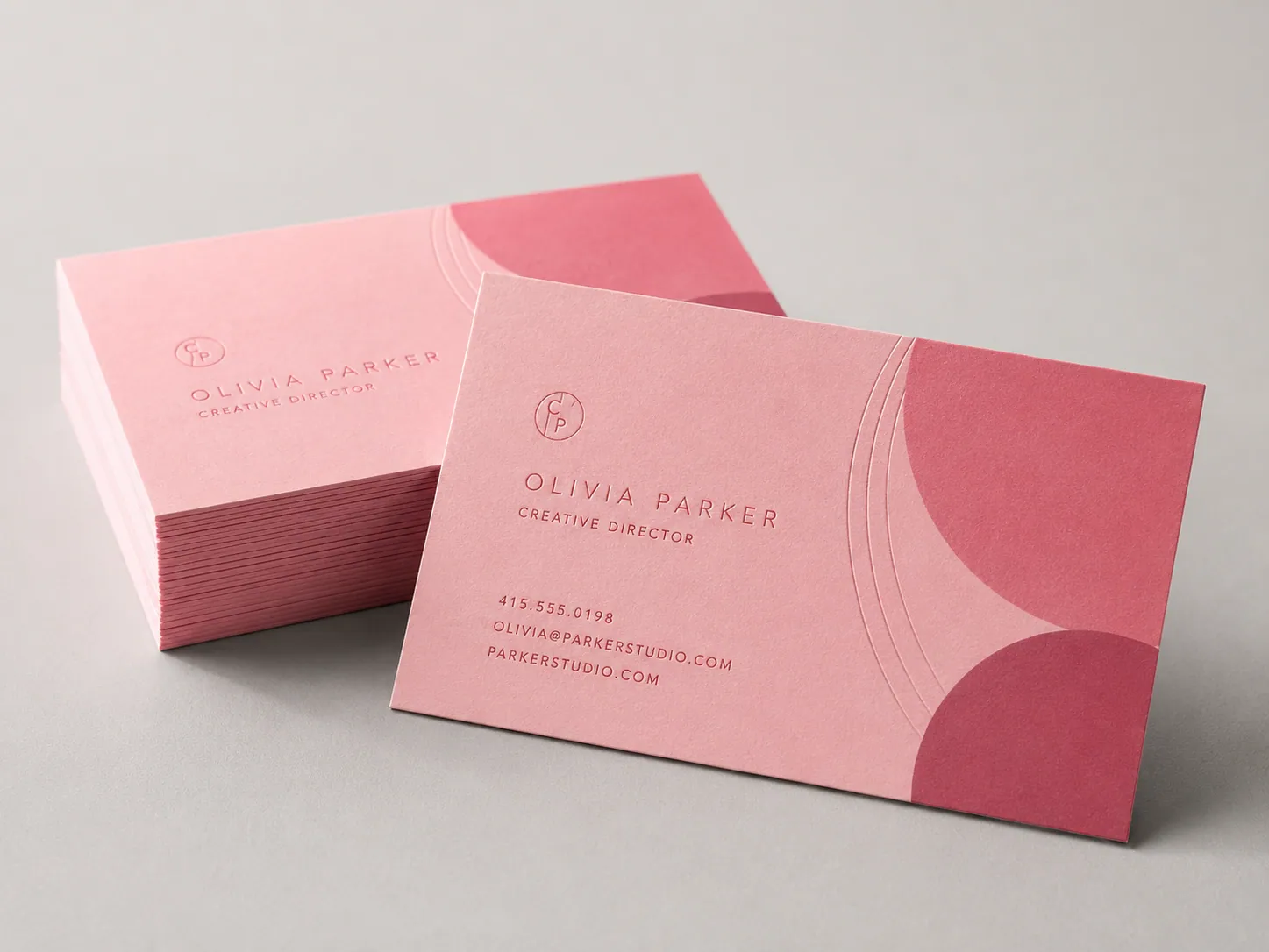
A box is the only marketing asset every paying customer handles. Flyers get thrown away and emails go unread, but a package has to be opened, and those few seconds of unboxing build brand identity through a logo, a color and a folded card.
The EPA counts 82.2 million tons of containers and packaging entering municipal solid waste each year, roughly 28 percent of all waste generated, and nearly all of it reaches a household.
How To Order Custom Packaging In Five Steps?

Each stage depends on the one before it, so working out of order is what usually ends in a reprint.
Measure the product and set box size against your real shipping data
Choose a stock and print method suited to your run length
Collect written quotes split into setup, unit price and freight
Build artwork on the supplier's dieline and approve a physical proof
Order one season at a time, then reorder against actual usage
Box Sizing And Shipping Costs
The 2026 Dimensional Weight Rule
Carriers charge for the space a parcel occupies as much as for its weight. They multiply length by width by height, divide by a fixed figure called the divisor, and bill whichever number comes out higher.
On July 12, 2026, USPS cut its divisor from 166 to 139 for packages above one cubic foot, matching UPS and FedEx.
A plain twelve inch cube holds 1,728 cubic inches. It used to bill as eleven pounds and now bills as thirteen. Because fractions of an inch round upward, a side measuring 12.2 inches is charged as thirteen.
Interior Versus Exterior Dimensions
Supplier listings quote the inside of the box while carriers measure the outside, and on double-wall corrugated that difference reaches half an inch per side. Measuring a sealed package from three best sellers, then running the divisor math against current postage, takes about twenty minutes.
Specify packaging boxes built around the product with a quarter inch of clearance. A mailer box that fits also needs less void fill, so one decision trims two costs and gives custom packaging its fastest payback.
Packaging Materials And Print Methods

Paperboard Thickness Guide
The board is sold in points, where one point equals one thousandth of an inch. That number drives most of the distance between a custom packaging quote that feels cheap and one that feels considered.
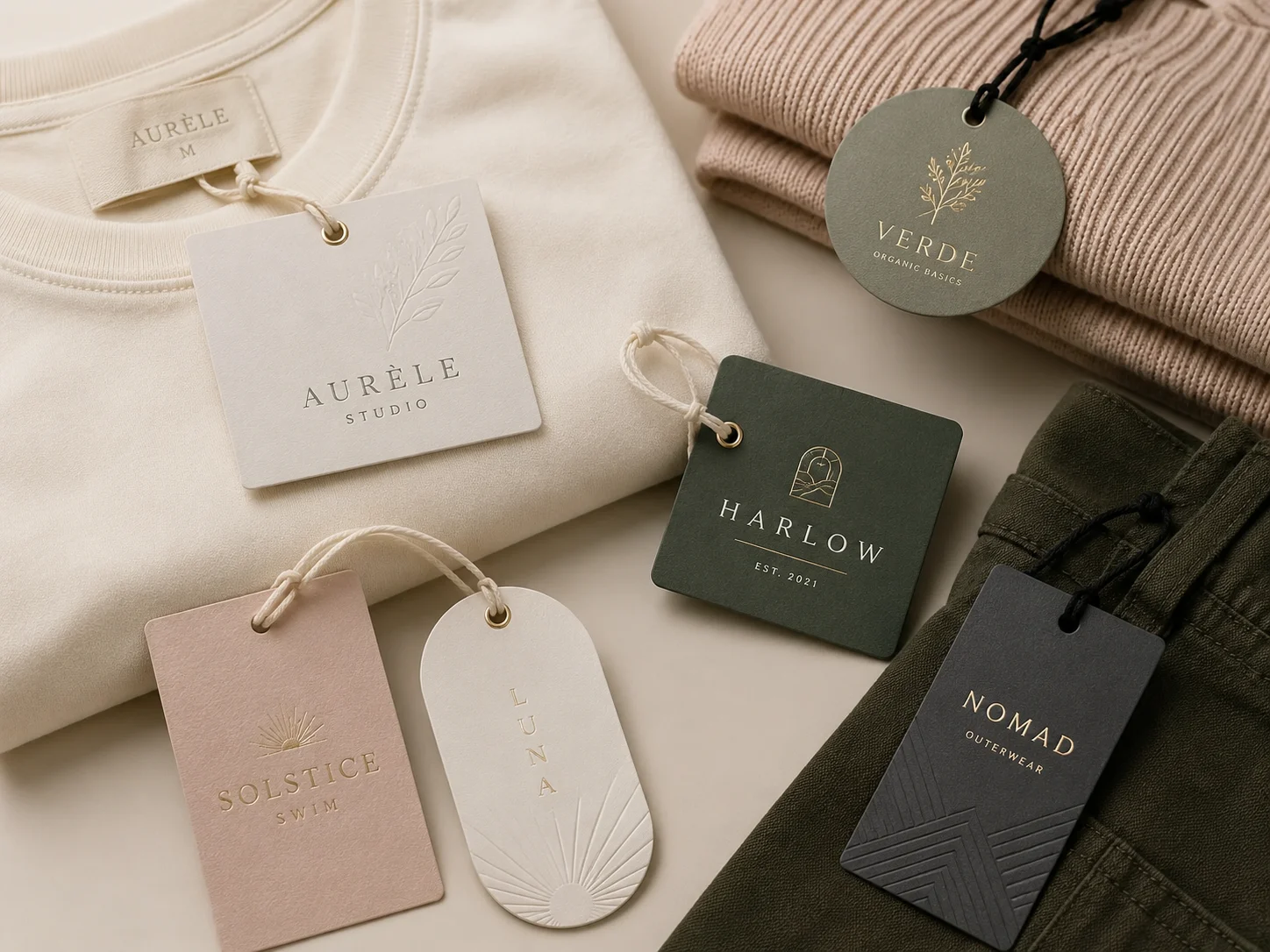
14PT and 16PT suit hang tags, header cards and insert cards
18PT to 24PT suit folding cartons for candles, cosmetics and baked goods
Corrugated suits anything shipped alone, since the fluted layer absorbs impact
Rigid board suits premium lines and costs several times more per unit
Print Methods For Short Runs
Digital printing carries no plate charge, which is why short runs of custom boxes became affordable for small brands. Offset takes over once volume climbs far enough for the plate cost to spread thin.
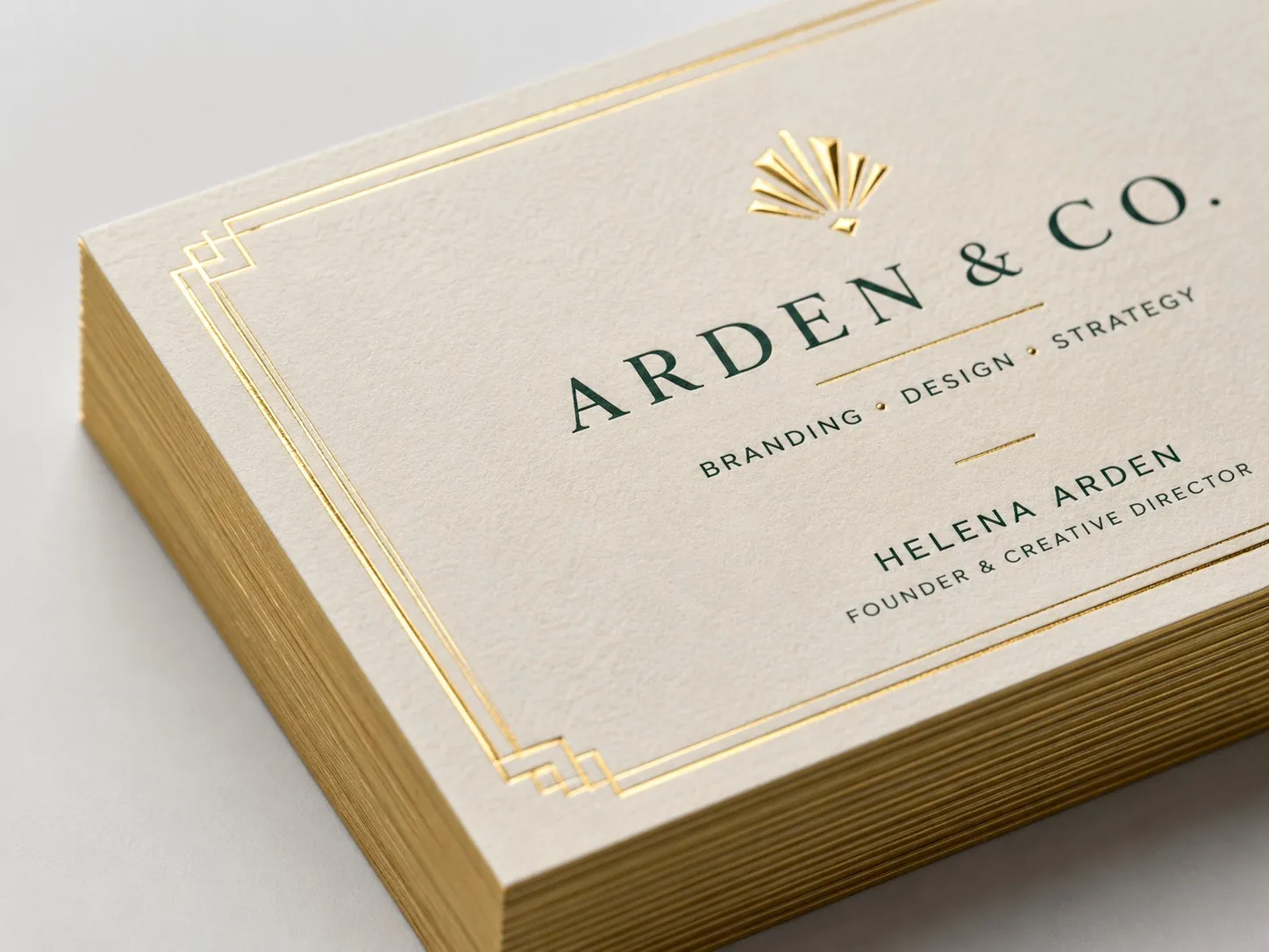
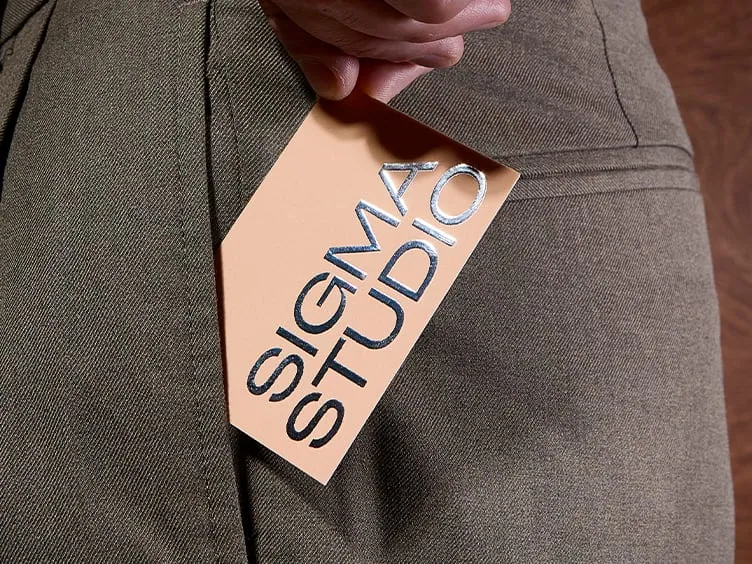
Finishes sit on top of that choice, with lamination resisting scuffing and foil lifting one area without reprinting the design. Label stock behaves differently again, and our guide to clear label design ideas shows how transparent material shifts the color printed behind it.
Reading A Custom Packaging Quote
What Drives The Unit Price
Every quote blends fixed costs with variable ones. Dies, plates and press setup are fixed, so they spread across whatever quantity you order, which is why 250 pieces can land within a few dollars of 500.
Ask any product packaging company to separate setup, unit price and freight before comparing anything. Wholesale packaging tiers belong in the same conversation, since most sit behind a business account rather than the public checkout.
Five Questions For Your Supplier
What is the minimum order, and where does the next price break sit
Is the quoted size the finished size or the flat size
Who owns the die afterward, and what does a reorder cost
What is the lead time from artwork approval, not from payment
What happens if color drifts away from the approved proof
A packaging service willing to answer all five in writing has shown how it will handle a problem later.
Artwork And Proofing Essentials

Choosing Stock From Samples
Screens are unreliable for paper. A color reading correctly on a monitor can sit two or three shades away on uncoated kraft, and weight cannot be judged on screen at all. Ordering a free sample pack before artwork begins settles both questions in an afternoon.
Working From The Dieline
Ask for the dieline before anyone opens a design file. It marks fold lines, glue tabs and the safe zone where artwork survives trimming, and most reprints we see start with a layout drawn first and squeezed onto the dieline afterward.
Keep critical text an eighth of an inch inside the trim, build in CMYK, and supply a print-ready PDF at 300 DPI with bleed. Sound packaging design earns its place here too, so put the reorder code where a customer's eye lands, which on most cartons is the inside flap. If nothing is drawn yet, a custom packaging agency can handle artwork and production together.
Claims Printed On The Box
Recyclable is a regulated word rather than a marketing one. The FTC Green Guides allow an unqualified claim only where recycling facilities reach 60 percent of consumers in the area an item sells. Seven states also run producer responsibility programs covering packaging materials, and Oregon and Colorado now invoice fees.
A Starter Kit For New Brands
Four pieces cover most of what a young brand needs, and they work better ordered together than gathered one at a time.
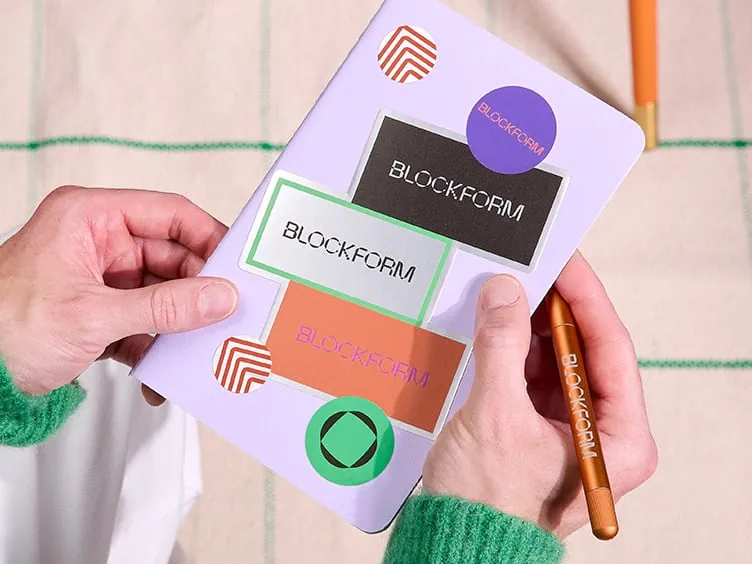
The first is a right-sized box or poly mailer, which handles protection. The second is a printed seal, the cheapest branding per square inch available, and packaging stickers hold well on kraft, corrugated and tissue alike. The third matters only in retail, where anything on a hook needs a tag carrying size and price.
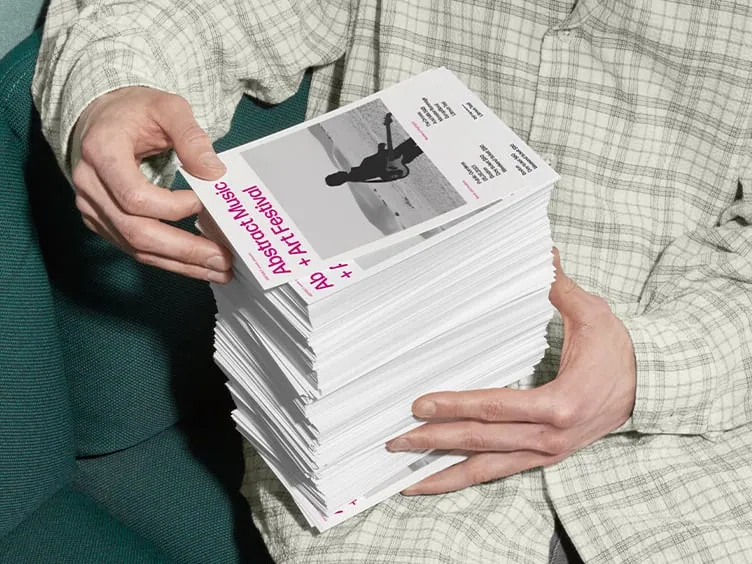
The fourth earns the most and costs the least. A printed insert card holds the reorder code, and customers tend to keep it. Ordering all four custom packaging pieces in one run keeps paper weight and color consistent. Trade shows are worth planning separately, and our trade show planning checklist sizes the same kit for a booth.
Nutshell
Pick one format, size it against real shipping data, order a physical proof, and run it for a quarter before widening the range. That pace keeps cash available and mistakes small.
Custom packaging for small business budgets return more than they cost, because right-sized boxes cut postage and branded packaging shortens the gap between a first order and a second. Browse boxes, tags, seals and inserts at BizCard, and work with a product packaging company that prints short runs without penalizing you for starting small.


