
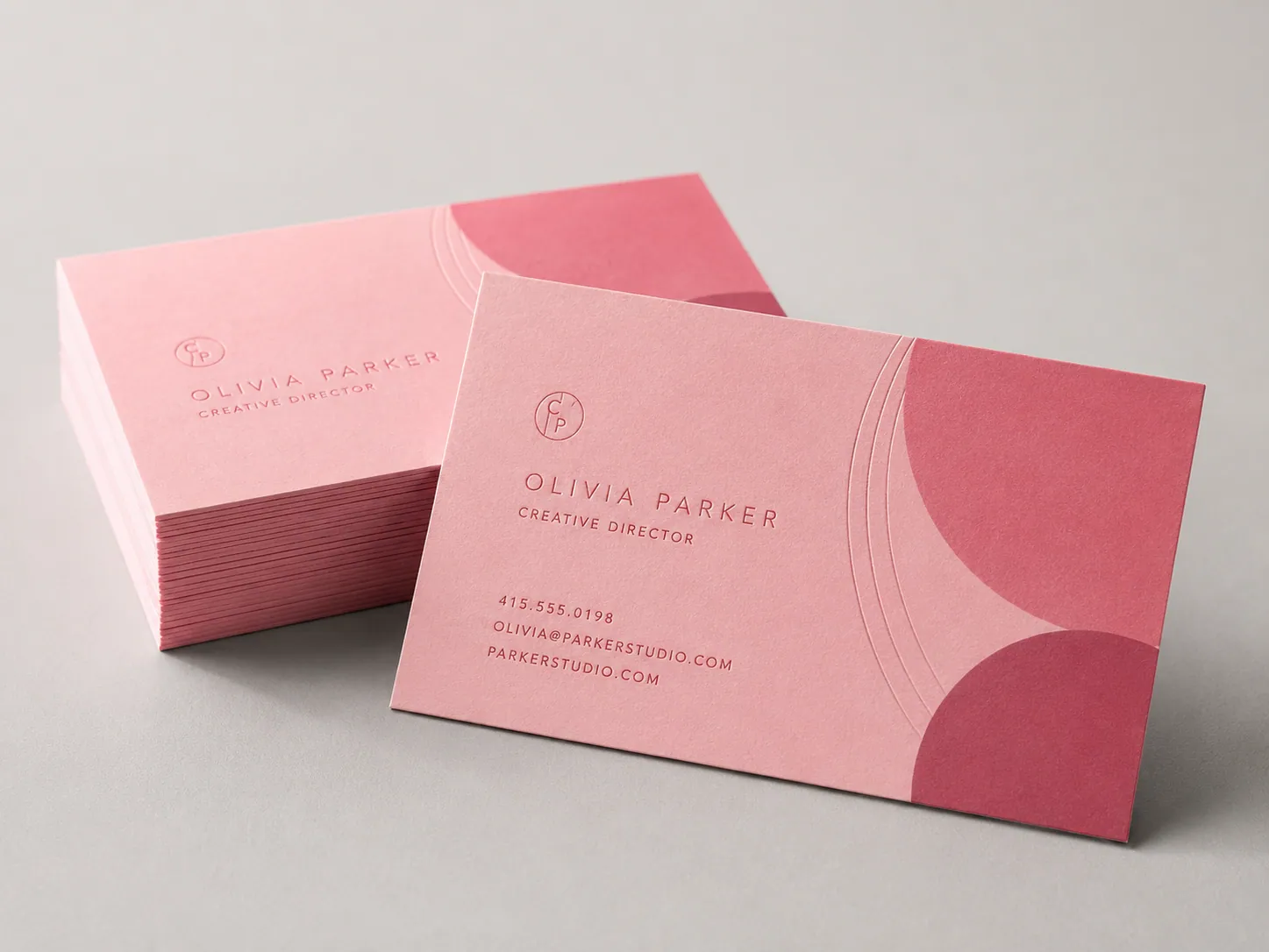
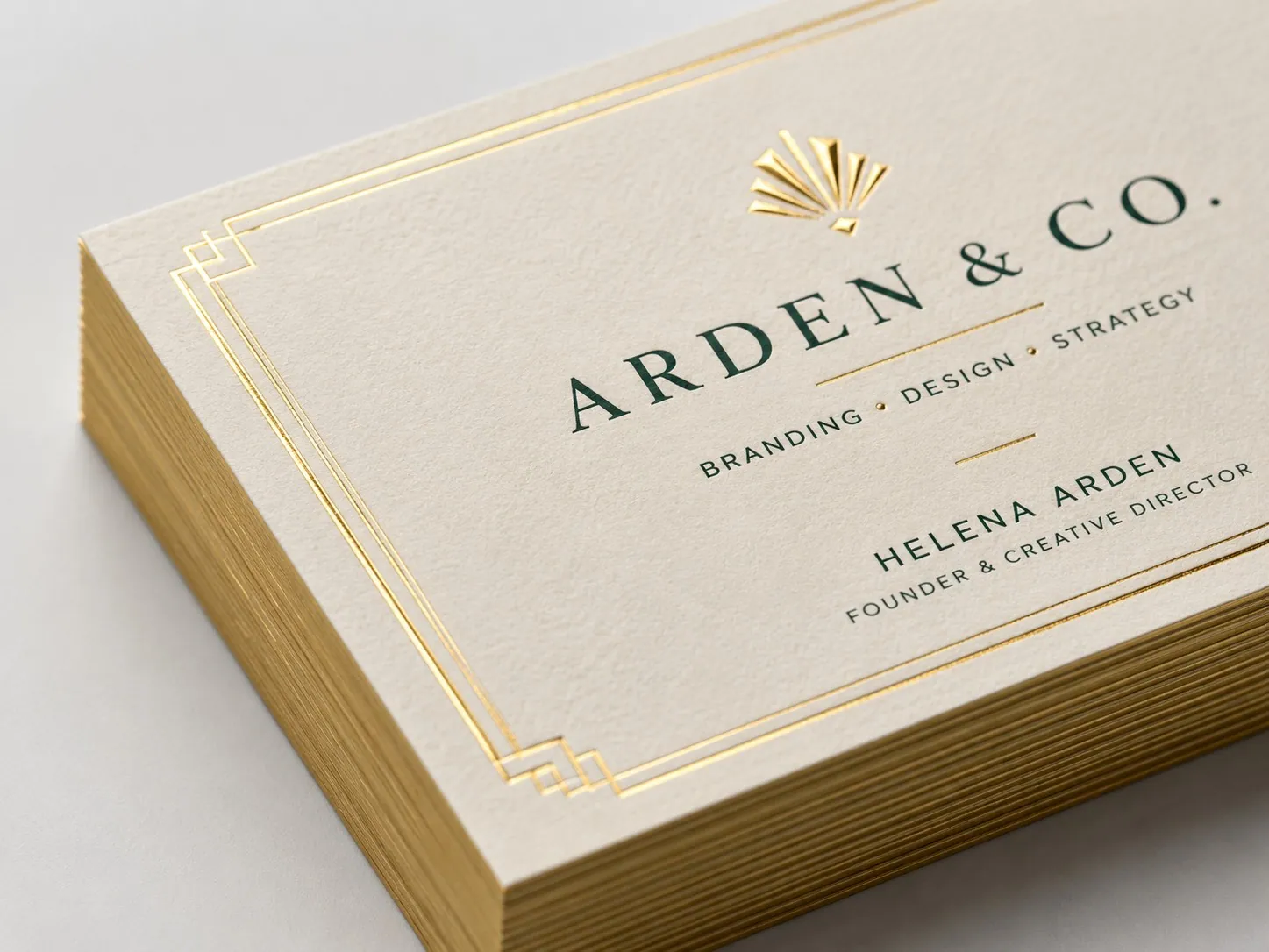





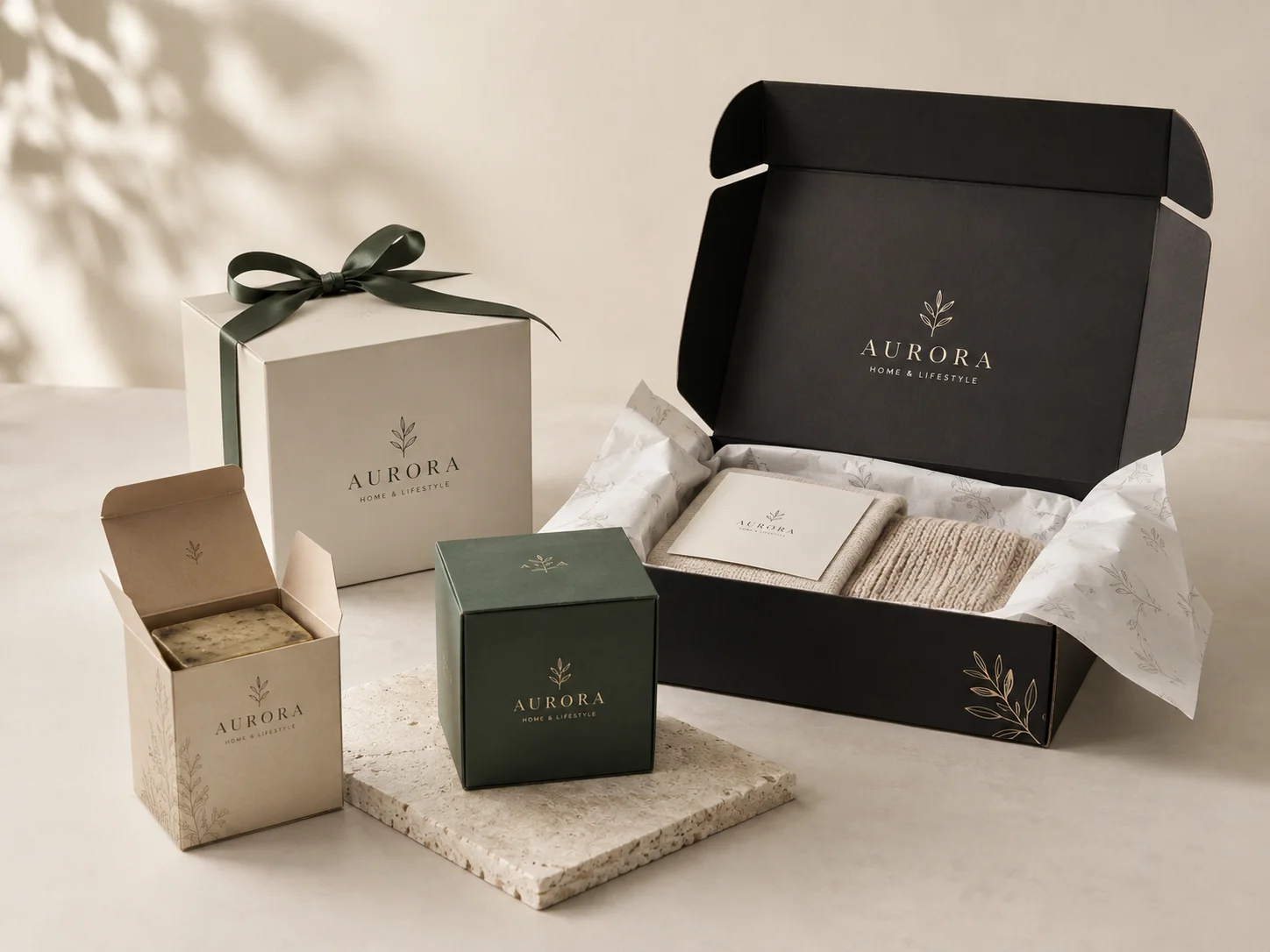



The costs depend on what print finishing is needed. While there may be cost savings in the materials used, extra costs may occur from cutting, folding, wastage, and increased packing times. Depending on the products you are including in your packaging, you may choose a simple printed panel or a complex structure.
For example, if you are selling individual pairs of socks, you could choose a simple printed panel. If you are selling multiple products within a festive range, you will need something more complex.
Packaging Sheets For Display And Separation
Printed Board
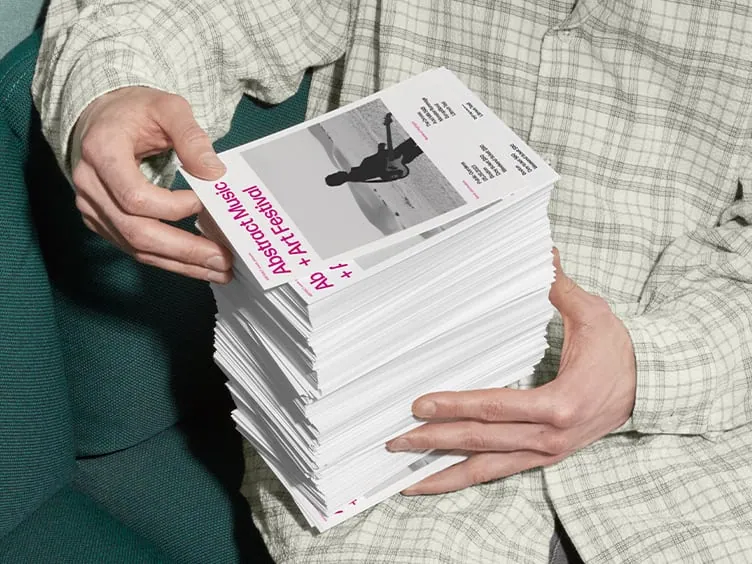
These flat panels can be easily cut and folded depending on your design. This solid board (without any wavy centre) is ideal for creating printed cards/sleeves, etc. In this situation, the main requirement for this material would be branding and some structural support.
Print & Trim flat sheets have two options, 14PT and 18PT board. You should consider who will be cutting and scoring the sheets in your order. These finishing processes are not included as standard.
Corrugated Pads
Flat padded corrugated sheets are made by gluing wavy paper between sheets of linerboard. This means they offer good structural support and padding. This type of cardboard product should be specified differently. If you were to place these sheets between products, they could help separate the products.
If you were to place a printed card around a pair of socks, this would help to identify and present the product. However, neither of these applications achieves everything that an enclosed box would provide.
Required Job | Suitable Starting Point | Detail To Check |
Show a lightweight product | Printed backing card | Attachment and display position |
Brand a folded product | Printed sleeve or band | Fit and fold placement |
Separate packed items | Corrugated divider | Load and contact points |
Enclose a retail set | Folding packaging boxes | Closure and internal support |
Flat Stock For Bands, Cards, And Dividers

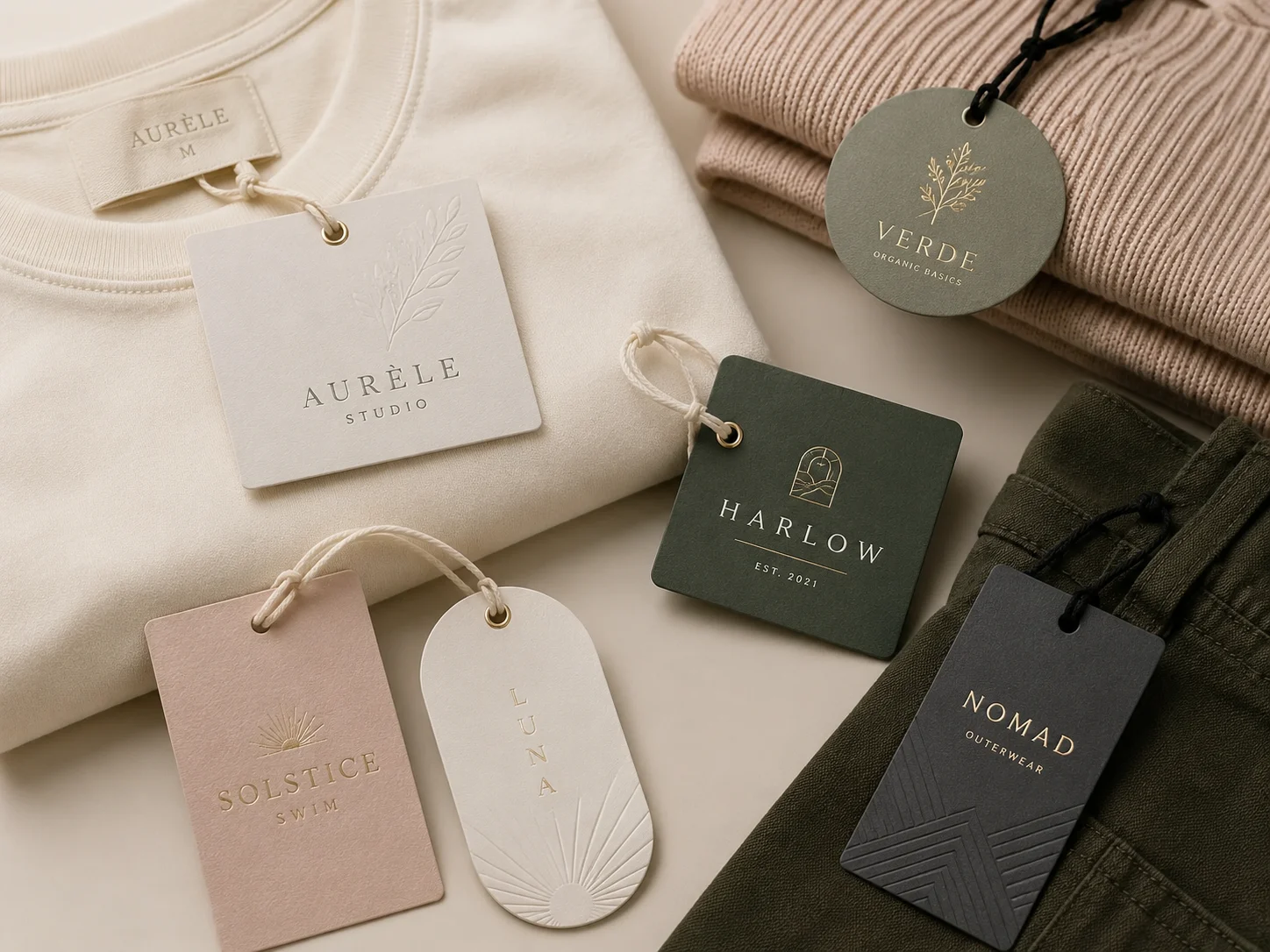
Backing Cards And Sleeves
If you have simple construction and few assembly requirements, this stock is suitable. Stock bands can be cut straight, folded, and sealed easily.
Retail packaging that is open means that the item can be viewed clearly. The fabric or finish of the band can be easily viewed without opening the box. It must, however, remain in place during handling and placing back on shelves.
The bare card allows the correct fit to be determined. If the band is loose, some adjustment may be needed before finalising the artwork.
Dividers Inside Larger Cartons
Although flat, the amount of space taken by flat cards will depend on the boxes. As gift and product boxes often come flat, they may require similar amounts of space as flat cards. Compare the amount of space used to store the bundles of flat cards with the actual size of the boxes once folded.
Find out what size the bundles will be once delivered, and how many cards will be in each bundle. Compare with the actual depth and width of available shelf space. If large sheets are being used, you may need more wide storage bays. You may also require cutting areas.
Storage Savings Depend On The Box
As well as sheet packaging, many box types are flatpack. When quoting, compare to bundles of sheets. Product boxes will be shipped flat-packed. Find out the size of the bundles and number of bundles. In relation to the space you have available, you may find large sheets require a larger space to store in, and a cutting area nearby.
If you are processing the bands in advance (for one week's worth), then you will need to allow space for the partially processed stock. Just because the unused board is neatly stacked doesn’t mean that this is the case.
To help give the supplier a more accurate quotation, provide them with the required quantities to deliver and what finishing processes they must perform. This helps the supplier and gives insight into tasks which would have been performed by your packers.
Finishing Costs Can Reverse The Saving

Cutting Yield
When creating bespoke packaging from sheets, think about how many finished items you get from one sheet. Simply knowing the sheet sizes won’t be enough, as bleed, trimming, and cutting margins mean fewer items can fit on the sheet.
4x6 cards will need to be larger in the artwork. Ensure you confirm with the finisher that this design is correct. If there are folded sections in the design, ensure you know the grain direction and position of scoring.
In your quotation, make sure you know if you are being charged for printed stock, cut items or finished items, as these are separate purchases.
Packing Labor
Compare sheet packaging to bespoke boxes. You may wish to compare the total costs including set up, finishing, labour within, delivery, storage and waste. In addition to the cost of the material itself.
Using some simple calculations, you can see that very little extra effort can be performed before losing the saving. Assuming labour costs $27/hr, saving $0.18 in materials means that 24 extra seconds can be spent on each pack. Any longer than this, and you are paying more in labour than you are saving.
These numbers are just examples. You should use the savings you have been quoted, and the total labour costs in your company.
Allow time to complete a small quantity once the operator is familiar with the process. Take into account time to get materials, clear waste, and replace any bad parts. A fast folding time doesn’t necessarily mean a fast packing process overall.
Retail Packs Need A Separate Shipping Check

If you are using flat board packaging, this may not fully contain your product. You must consider the package in relation to retail presentation and dispatch.
With the sock example, the printed band can be placed into a suitable dispatch box to contain the product. However, if the product includes glass items, a different packing strategy is required.
Check that the cardboard packaging is suitable for its contents. Ensure there are no sharp edges, movement, poor closure, or pressure on fragile areas. If the product requires formal testing, check with a competent packaging supplier to see which tests are required to suit the transport.
Product Fit And Artwork Approval
Before approving design artwork, check that sheets are suitable for the product. If it is product packaging for retail, the sample should be suitable for display in its correct format and able to withstand normal handling.
Consider the following when approving:
Secure packaging with no indentations
Legible print after being cut and folded
Scannable barcode
Secure seal/connection for expected load
Can be put together by staff, with no adjustments made to individual pieces.
Ask the service providing product packaging what has been confirmed by the proof. If a screen proof is provided, it will confirm where the artwork is to be placed, but cannot confirm physical suitability or strength under load.
Store the approved sample so that you have a reference for the size, material, surface and design version. If a bespoke packaging order is repeated, this reference will help staff determine what changes have been made.
Choose The Right Format For The Order
Sheets are a good option if cards/sleeves/dividers can be used with little additional cost. Cartons are a good option if containing items and consistent packaging justify the increased material.
To begin comparing options, select the sheet size, quantity, artwork, and delivery requirements. Be clear on what finish is required, and compare total costs.
Be sure to check a sample of the product before approving printing. Once you have decided that the product is right for your order and know all production details, place your order.


