


Brochures are often left behind. However, this is rarely due to the quality of the print. Usually, issues in the content, incorrect timing or poor choice of paper will mean that a brochure is left behind.
Fixing these issues will ensure that the content of the sales collateral will be effective in keeping your offering top of mind for the customer.
Common Reasons Sales Brochures Get Left Behind

While people are not leaving brochures behind due to a dislike of the paper, they may be doing so due to ineffective content. If you check the brochures in a reception area, you’ll find similar issues in almost every item in the drawer:
Seller-First Copy
Many business brochures begin with a history of the company, its mission statement and a list of services. However, if a plant manager has had a 40-minute conversation with you about packaging issues, they likely want to know that the issue has been acknowledged and how it can be resolved by the correct person.
Early Handoffs
Poor timing causes many brochures to be left behind. If given too early (within the first 5 minutes of a conversation), the prospect may begin skimming through the content while you are still speaking. This means that neither you nor the brochure gets full attention. If given at the end of the meeting, however, the brochure becomes a summary of what they found most important in the conversation.
Stale Or Generic Details
Prices or names of sales representatives from previous years will make the reader assume the brochure has been pulled from storage. Generic content will also cause issues; if the brochure is relevant to dentists, warehouses and lawyers, it will be relevant to none.
Although outdated printed collateral causes a loss of trust, it is less severe than giving nothing. If a team keeps information in printed format in line with that on their website, this issue is unlikely to occur.
Flimsy Paper
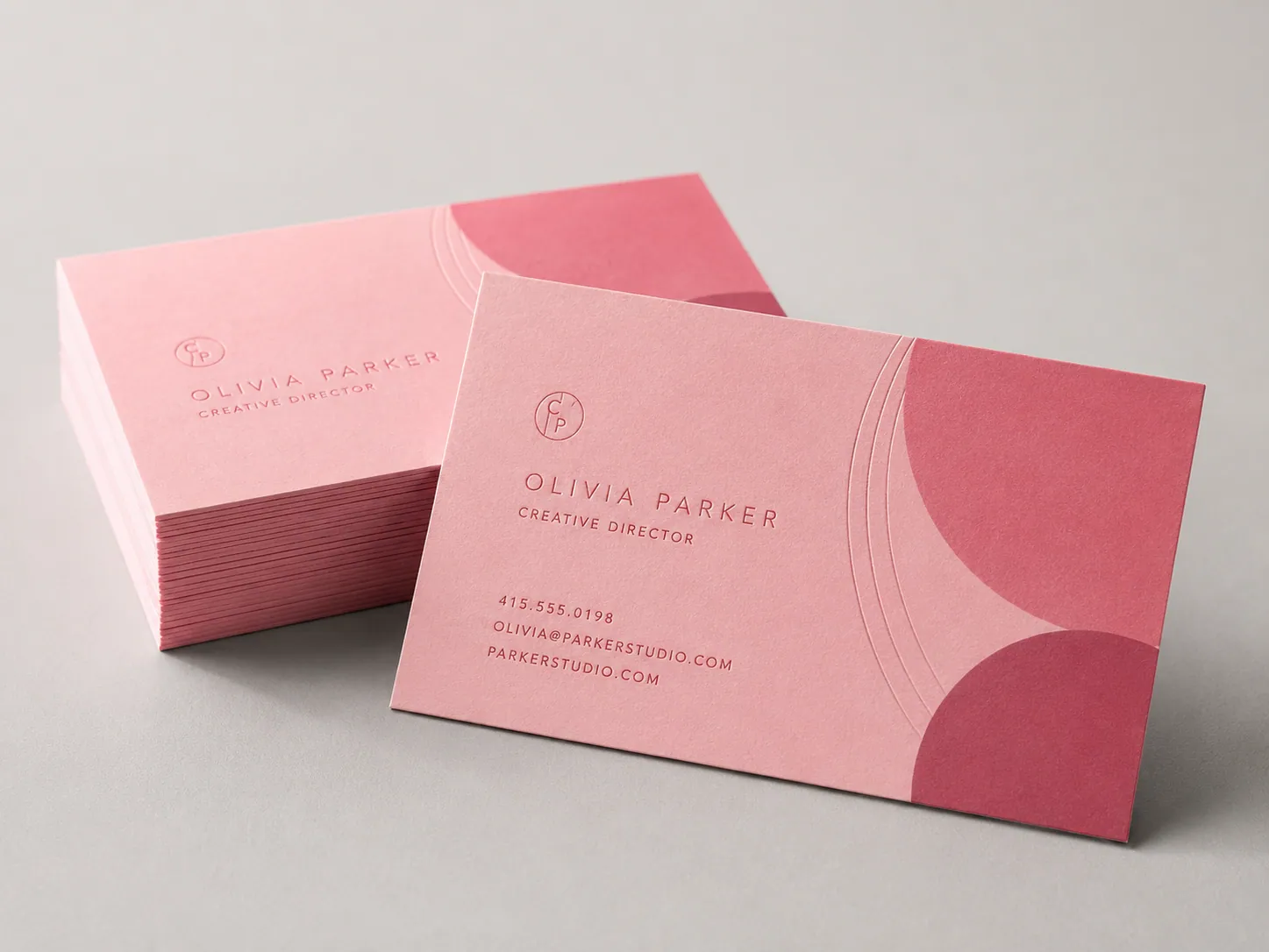
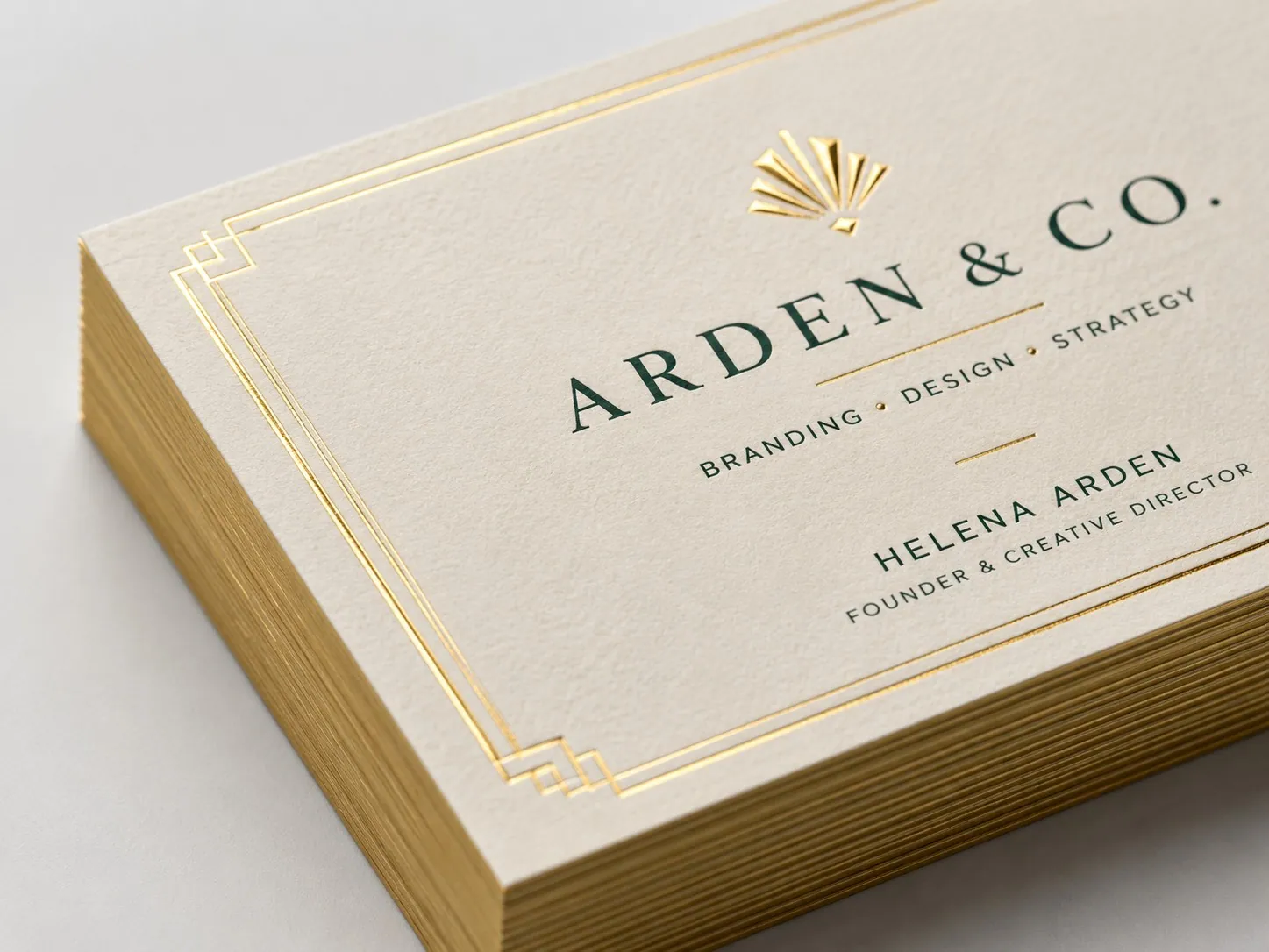
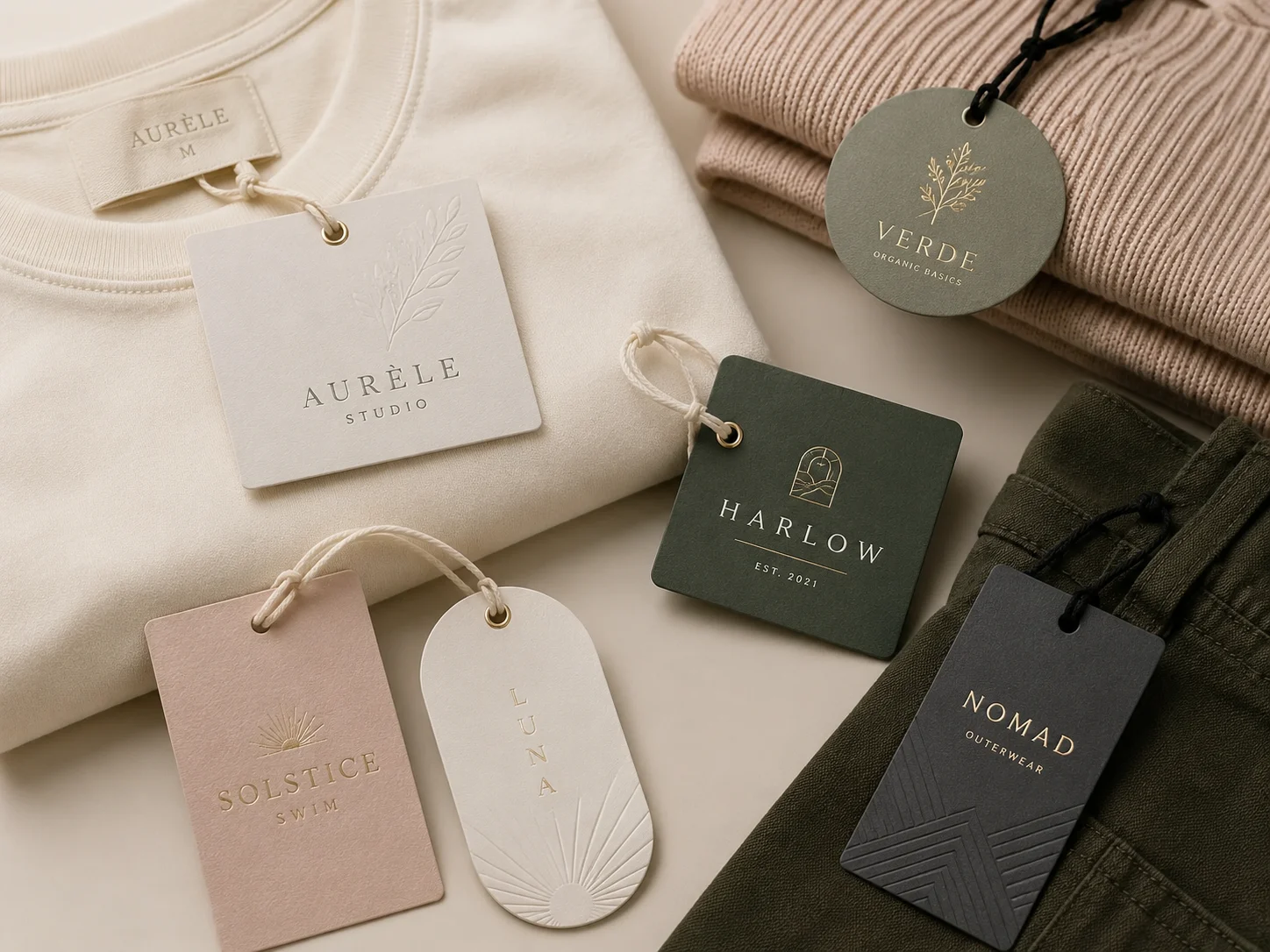
Thin paper can give the impression of cheapness. Crumpled in a laptop bag, it can look like it has come from underneath a windscreen wiper. Heavier, matted paper can give the impression that corners have not been cut.
What A Brochure Has To Do After The Meeting
In B2B sales, the person in the meeting is often not the purchaser. Therefore, your brochures may be passed on to a finance lead, or used in a meeting on Monday that you will have no knowledge of.
According to recent research, a lot of decision-making occurs during this period. In a sample of 4,611 recent B2B buyers (6sense 2026 Global B2B Buyer Experience Report), buyers began engaging with vendors at 59% into their purchase journey (on average 10.3 months).
If the customer had decided upon a preferred vendor prior to their first engagement with a vendor, they were successful in winning the business 82% of the time. Well-written B2B collateral means that even during these silent periods, you will be appearing in the minds of the buyer.
Building Sales Brochures That Buyers Keep

When you consider that the people reading your brochure will be strangers to you, you will be able to make better decisions regarding content and design.
One Clear Purpose
Decide what you want your brochure to achieve. It may be to make it easier for the contact to sell internally, or to get them to schedule a site visit. Brochures with multiple objectives rarely achieve any of them.
Copy For The Absent Reader
Include in the content: the problem, solution, evidence and next steps. Including one customer case study with specific figures will be much more effective than descriptive language. For example, if you reduced re-order time from 9 days to 4 days. Good design will ensure that the reader is guided from the front cover to taking the next step.
Outcome-Led Covers
A good cover will encourage people to open your brochure. For example, stating “Fewer Missed Deliveries in 90 Days” encourages people to read further. A large logo alongside an image of a handshake is unlikely to. Reduce the size of the logo. Within the body of the brochure, make sure that the headings can stand alone, as many people will be skimming through.
Paper And Finish Choices
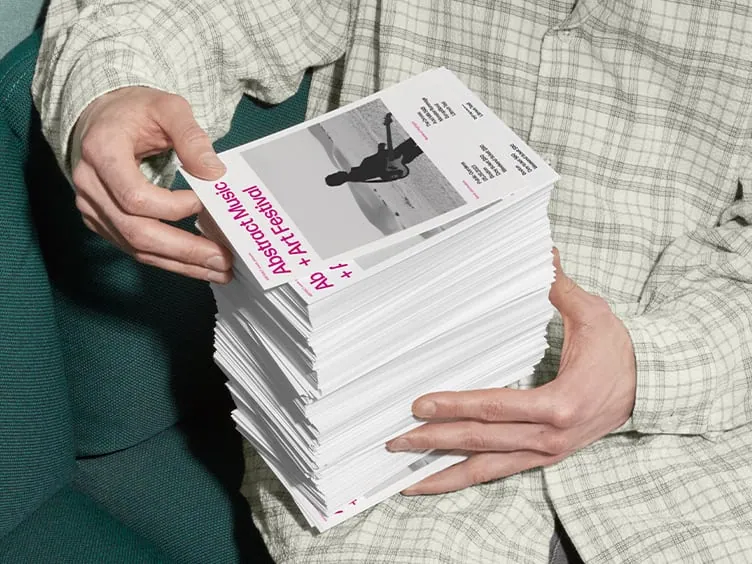
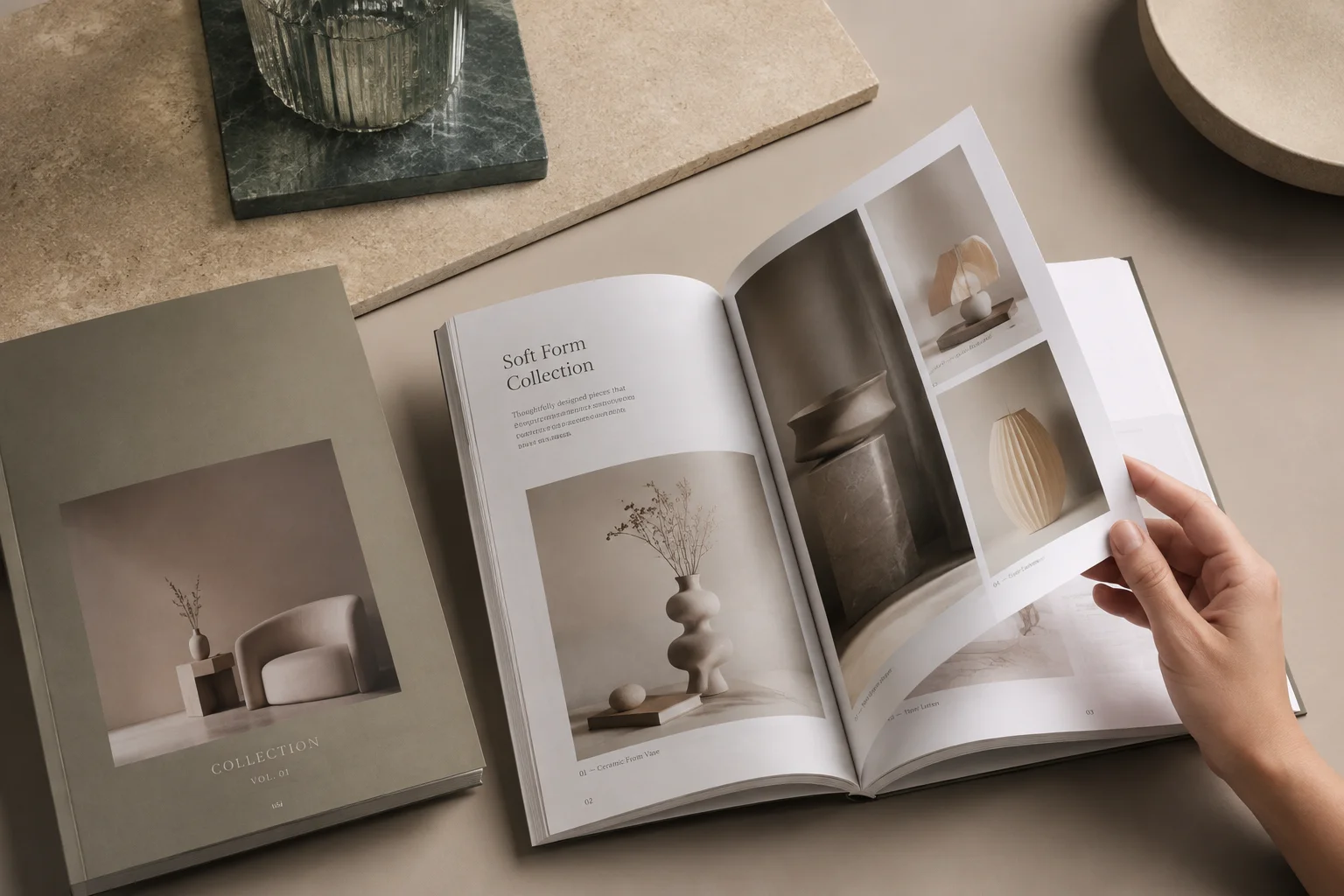
Consider your paper choice within the initial design of your brochure. Many brochures and flyers are printed on either gloss or matte paper. Consider how the buyer will interact with the brochure. If using matte paper, people can easily add notes in the margins. If using gloss paper, product images will really stand out. Ask your print service to provide samples of the brochure. Hold them in the way that a buyer would before approving printing.
One Simple Next Step
Ensure there is a quick call to action. Providing a number or a QR code to a booking page will be ideal. If a QR code is used, create a separate landing page for it. This means you can see exactly which brochures are leading to real conversations.
Delivery And Follow-Up That Keep Brochures In Play
In order to be effective, sales brochures should be followed up on. Consider how you will deliver your sales brochures and what follow-up actions you’ll take.
Tailored Meeting Packs
Using branded presentation folders in meetings means that you can create custom sets to suit each prospect. One main brochure can be used and accompanied by short inserts for different industries or offers. Updating the inserts is much cheaper than updating the whole piece. For larger sales teams, standard corporate brochures tend to be ordered with standard templates to ensure that everyone has the same approved version of the brochure.
Follow-Up Within 48 Hours
Follow up within 48 hours of delivery; send a quick e-mail to the prospect, linking to one page (perhaps page 3, a case study). Ask who else they will be sharing the brochure with and offer them a 10 minute walk-through. Some people also include a handwritten note on the cover of the brochure. These notes mean that the brochure stands out from the others in a pile.
Print Planning That Keeps Sales Brochures Current
Large print runs can lead to outdated sales brochures. If 5000 copies of a brochure are printed in order to reduce the per unit cost, but then the price is increased 6 months later, the brochures may be left in storage. By using fewer print runs in business brochure printing, this issue can be avoided. With printing getting more expensive, leaving brochures in stock is a loss of money.
By printing brochures online, changes and reorder times can be made within the same week. Find out how quickly your sales brochures can be produced by your printers before your next sales drive.
Consider the format of your brochure. If you require a line of services, saddle-stitched brochures may be best. However, if you only have one product to showcase in your brochure, two pages may be sufficient. If you have a one-stop shop for business printing solutions, everything will be in consistent colours and paper types.
Sales Brochures That Earn A Second Look
Sales brochures may be discarded if they seem to be focused around the seller, or if they are delivered at an inopportune time, or they feel cheap. Therefore, sales brochures may be retained if they are relevant to the person who has missed the meeting and it is clear what action needs to be taken. Well-designed sales brochures with up-to-date information and quality paper make great B2B marketing materials. Even if you’re not there in person, sales brochures can be effective.
BizCard can provide business brochures, in matching folders, sell sheets and cards. We provide complete business printing solutions. Upload your design and select the paper type and finish required. Order now to give your prospects valuable printed marketing materials.


