





At most trade shows, the bins by the exit fill up before the last session ends. They hold folded brochures, thick company profiles, and pens that have already stopped working. Most trade show handouts are thrown out within a day of the event, and the printing is almost never the reason. The problem starts earlier, when someone decides what to order and who will receive it.
Four Reasons Trade Show Handouts Get Thrown Away
Every wasted handout fails in one of four ways, all settled before the job reaches a press.
Wrong Person, Wrong Piece
Booth traffic is several audiences arriving at once. Some visitors can sign a purchase order, while others are job hunting or checking your prices for a competitor. When everyone receives the same sheet, most of your promotional materials printing reaches people who were never going to buy. Your cost per qualified lead then becomes impossible to track.
Paper That Cannot Survive A Bag
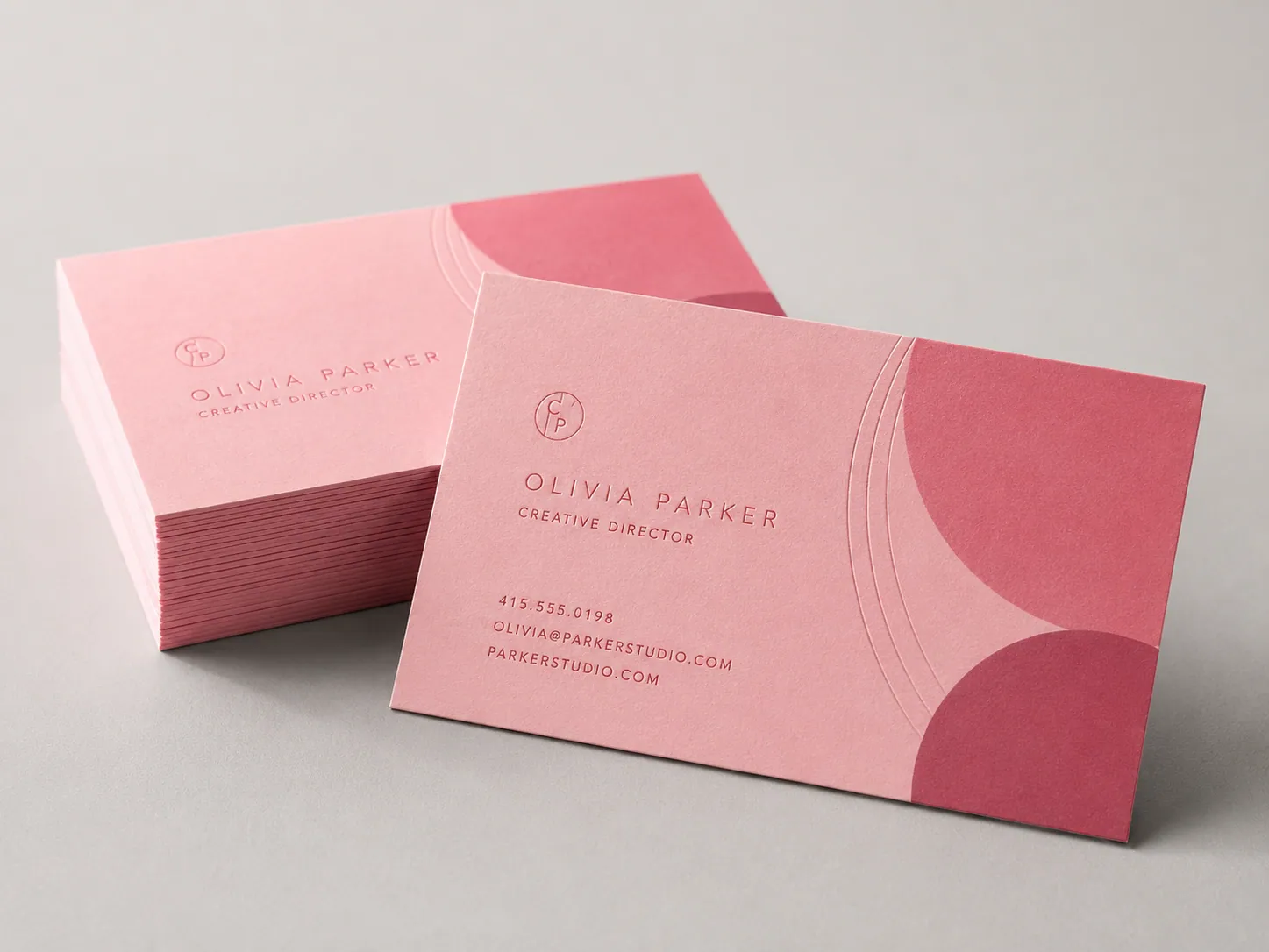
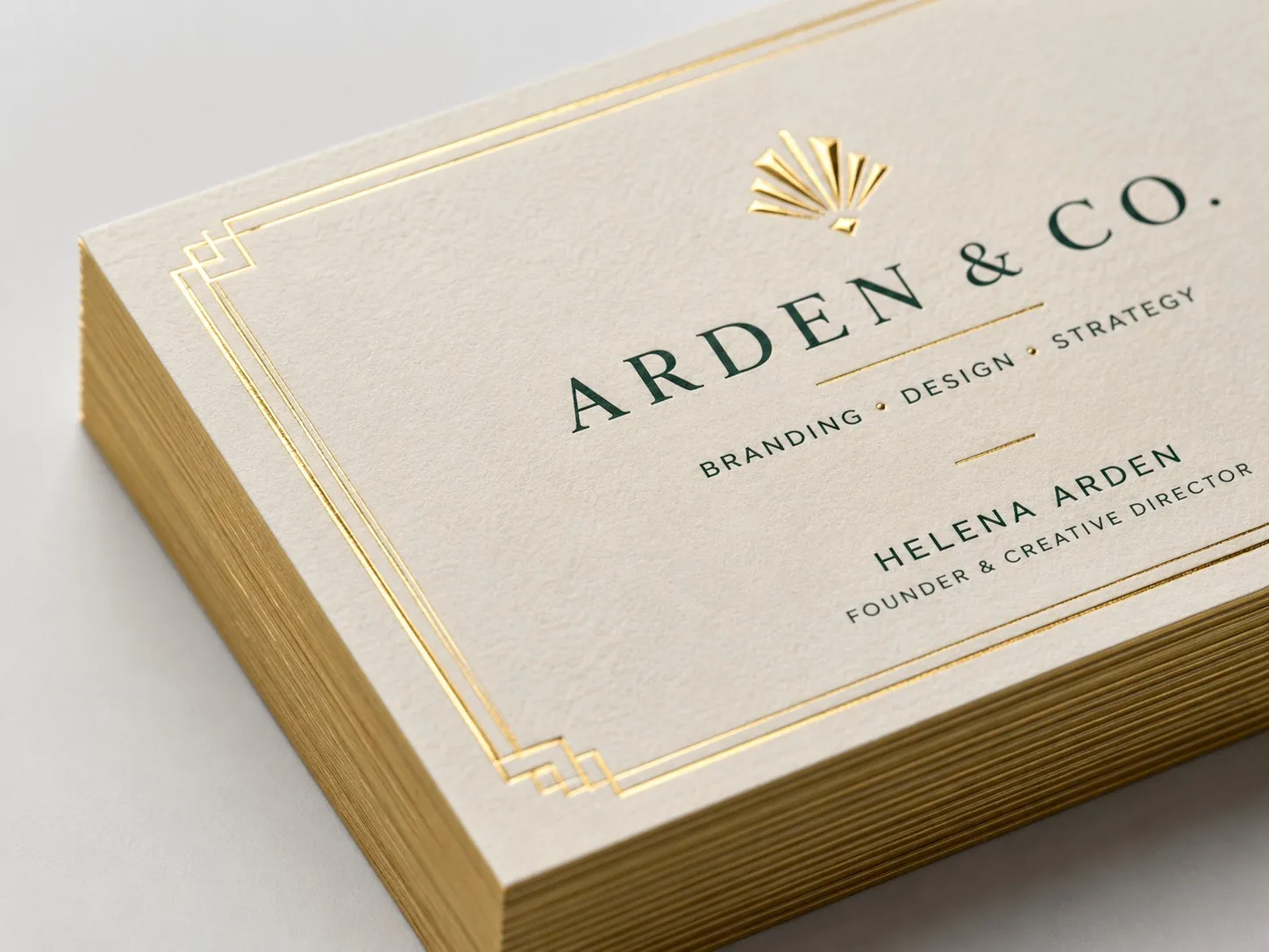
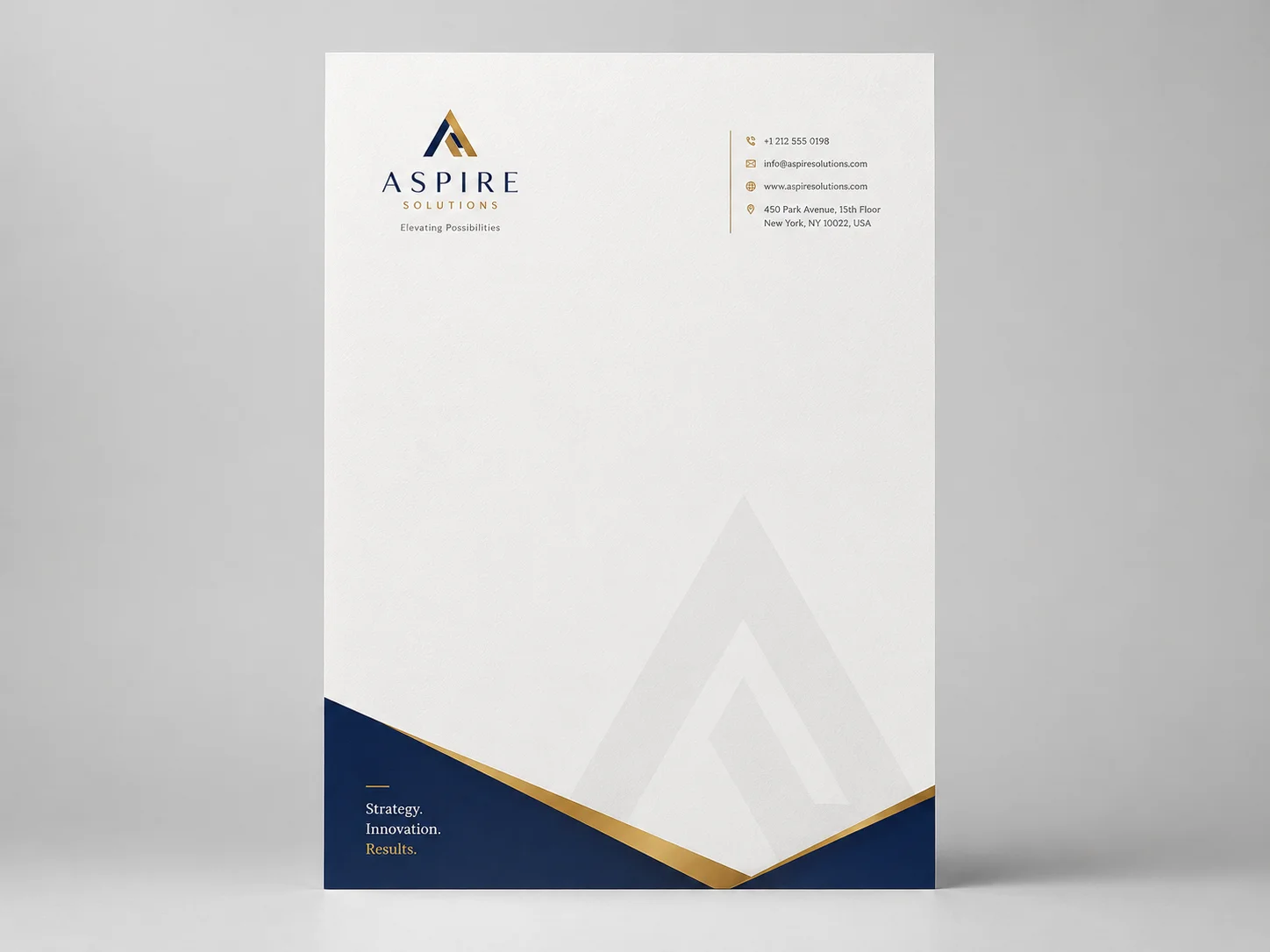
A visitor judges weight by hand within a second of taking your sheet. A 100lb gloss text flyer curls as soon as it goes into a bag beside a laptop, and a curled sheet looks disposable. Card in 16PT or 18PT stays flat through three days on the floor, which is why sell sheets are worth specifying in card rather than text stock.
Copy That Talks About Your Company
Visitors want a price, a lead time, and proof that you can do the job. Many handouts open with company history and push those answers onto the second page. If a buyer cannot find your price range or your turnaround in five seconds, the sheet has already failed.
Nothing To Do Next
A handout with no date on it lets the reader decide later, and later usually happens beside a hotel bin. Promotional giveaways share the weakness when they carry a logo and nothing else, leaving the visitor no reason to make contact.
What The Research Says Attendees Keep?

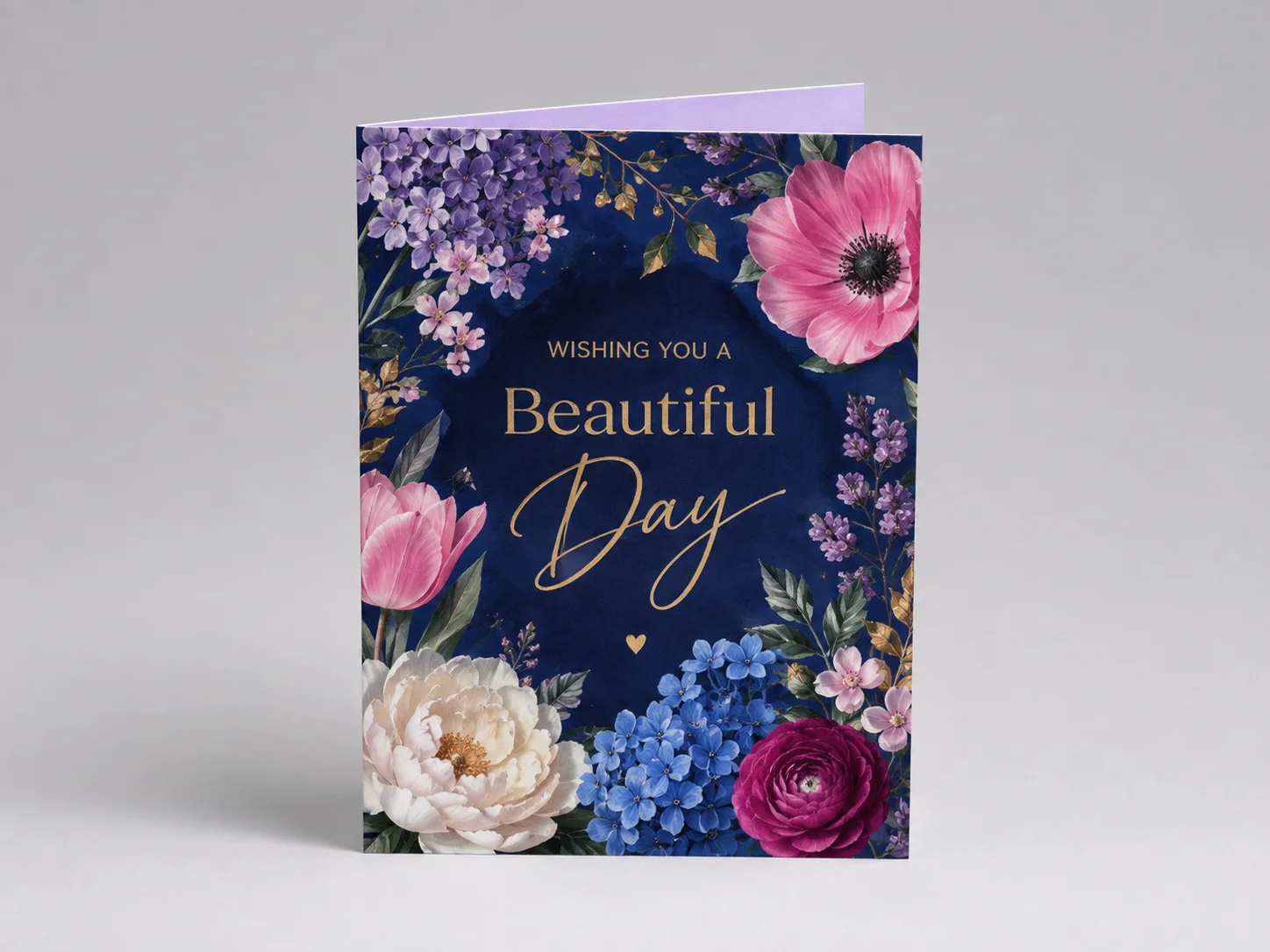
ASI reports that 85% of people remember the advertiser on promotional products they own, and 76% say they are more likely to buy from that company. ASI also breaks down why an item survives, and the reason changes with the category. Quality keeps bags in use, while daily usefulness keeps drinkware in use. Pens, caps, and calendars go first, so those are the promotional items that quietly waste a budget.
For a booth, the research points to two habits. Order fewer units, and pick things a working professional will reach for in an ordinary week. Brand recall builds through repeated use, and that use drops the cost per impression to a fraction of a cent. Promotional merchandise earns its place only after it passes the test, which is why a few trade show giveaways are still on a desk two years later.
Handout Formats That Work On The Show Floor
Four formats do most of the work at a stand, and each one has a separate job.
Format | Best For | Stock To Ask For |
Sell Sheet | Pricing, Specs, Lead Times | 16PT Or 18PT Card |
Presentation Folder | Booked Demos, Named Accounts | 14PT With A Capacity Spine |
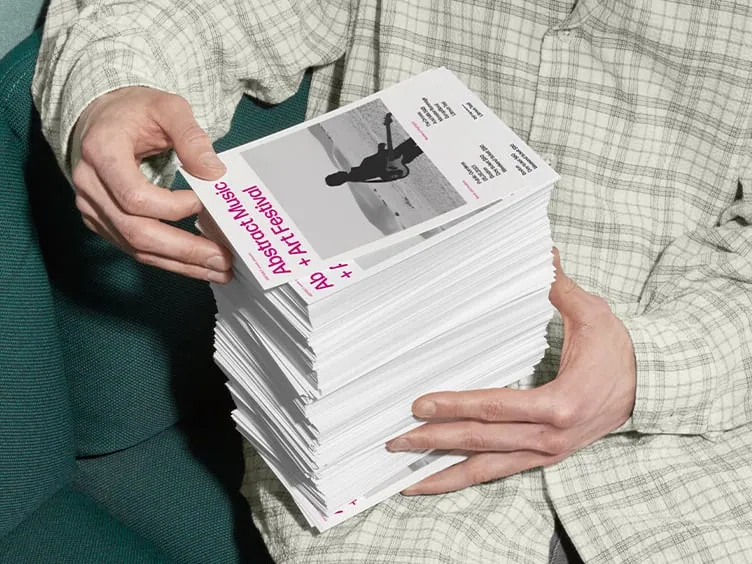
Rack Card | Aisle Traffic, Badge Holders | 100lb Cover |
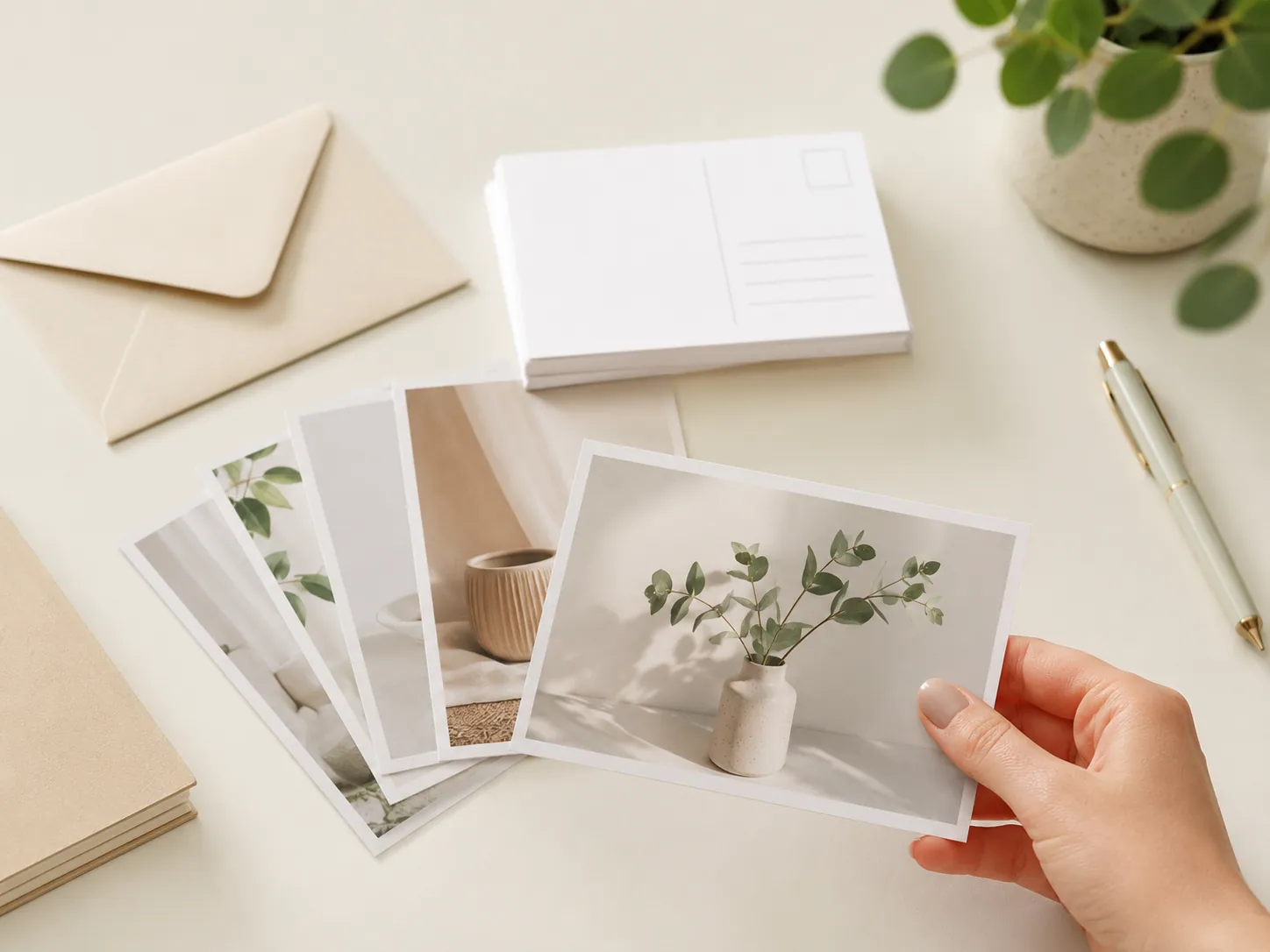
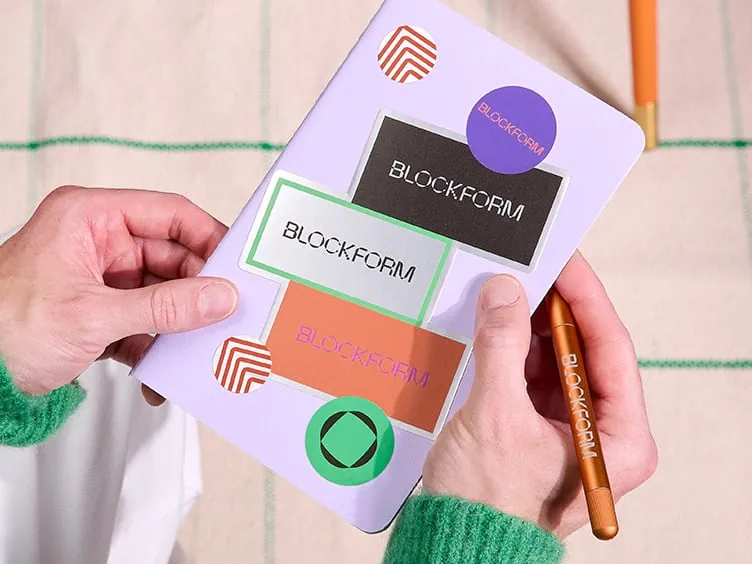
Die-Cut Sticker | Laptops And Bottles | Vinyl With Matte Laminate |
Good trade show handout printing depends on choosing between these four early. One strong piece on the right stock beats four thin ones from the cheapest run. It also stops your event giveaways competing for the same pocket in a visitor's bag.
Ordering the whole booth kit together leaves you with a single delivery date and one bulk printing service to call when a tier runs low.
Design Rules That Keep A Handout In The Bag

Format alone will not save a piece. The best trade show handout design reads at a glance and looks worth the space it takes up in a bag.
Stock, Coating And Type Size
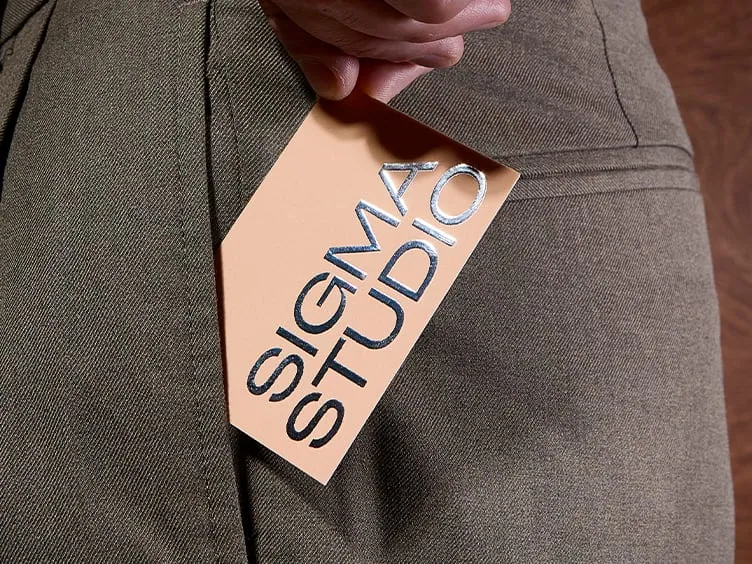
Anything meant to travel home should be 16PT or heavier. Silk lamination or soft touch belongs on pieces you hand to decision makers, because a visitor feels the coating before reading a word. Keep body text at 10pt or larger, since hall lighting and tired eyes punish small type. Stickers are judged from further away, so the rules behind clear label design decide whether your logo still reads on a laptop lid.
One Offer And One Deadline
Every piece needs a single action with a date attached. A sample request that closes two weeks after the show works far harder than an open invitation. Give each event its own QR code so you can trace scans back to the floor and into lead capture. Giveaway printing solutions that skip these two rules deliver pretty artwork and very few replies.
A Three-Tier Table For Your Booth

Decide who receives what before the doors open, because nobody makes that call well in a busy aisle. Tier one goes to anyone walking past, so the cheapest promotional products belong here, small and flat.
Tier two is earned by a short conversation and two qualifying questions, and holds the sell sheet with one useful item. Tier three stays behind the counter for named prospects and booked meetings. Presentation folders belong there, carrying the sheet, a card, and a price written by hand while the visitor watches.
Tiering also protects the budget when finance asks what the show returned. The total stays the same, most of it reaches visitors who can sign, and the rest moves into pre-show outreach. Promotional giveaways begin rewarding engagement, and every trade show marketing dollar traces back to a tier. Custom printing services that accept small reorders keep the top tier affordable.
How Many Handouts To Print?
Start With Staff Capacity
Work from the people on your stand rather than the attendance figure. Two staff holding real conversations manage four to six qualified exchanges an hour each. Across 18 hours on the floor, that is roughly 150 to 200 premium trade show handouts. Print tier one generously, tier two at that figure plus 20%, and keep tier three in the low dozens. The trade show planning checklist sets out the restocking rhythm behind those numbers.
Keep One Supplier For The Set
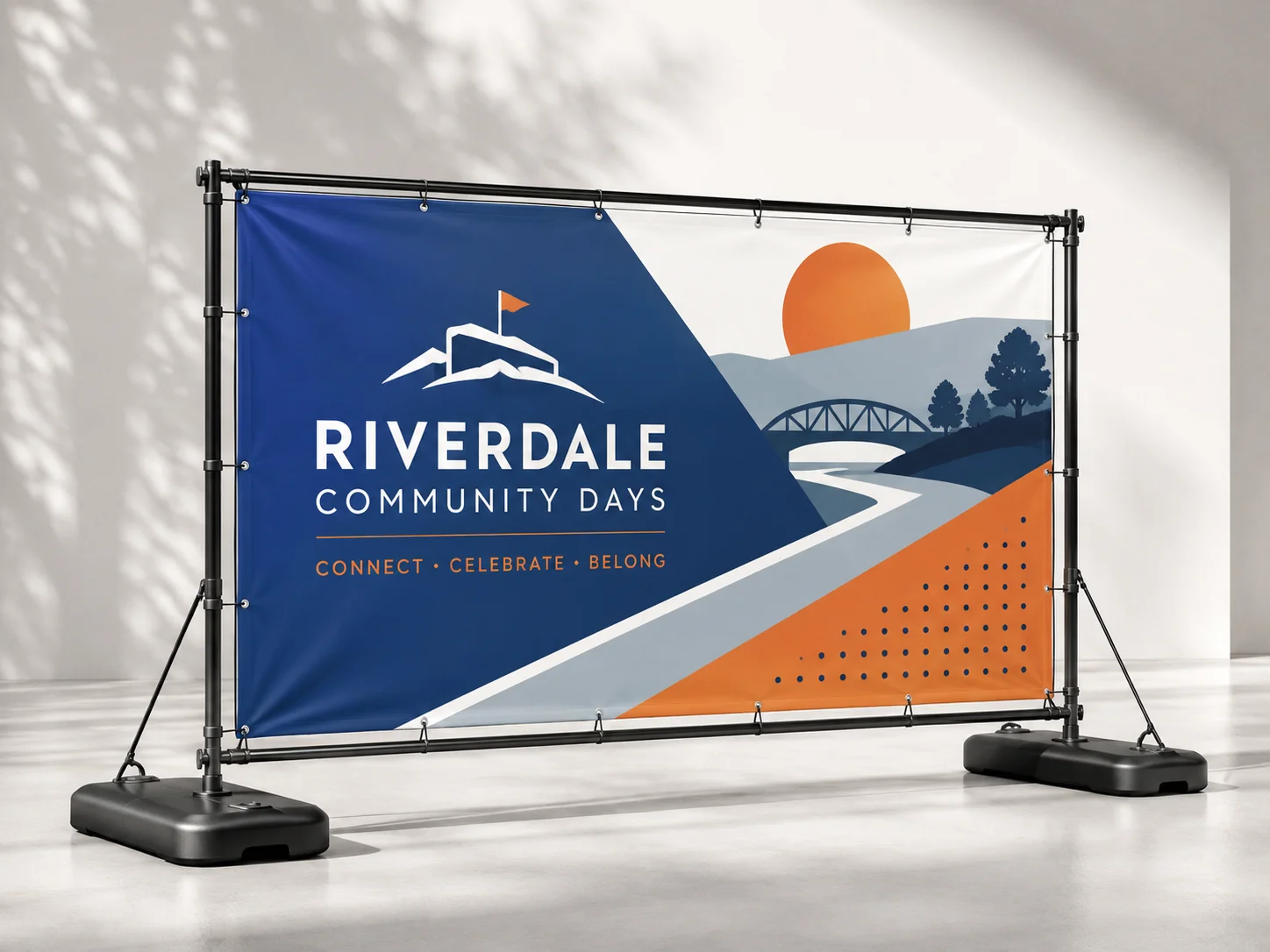
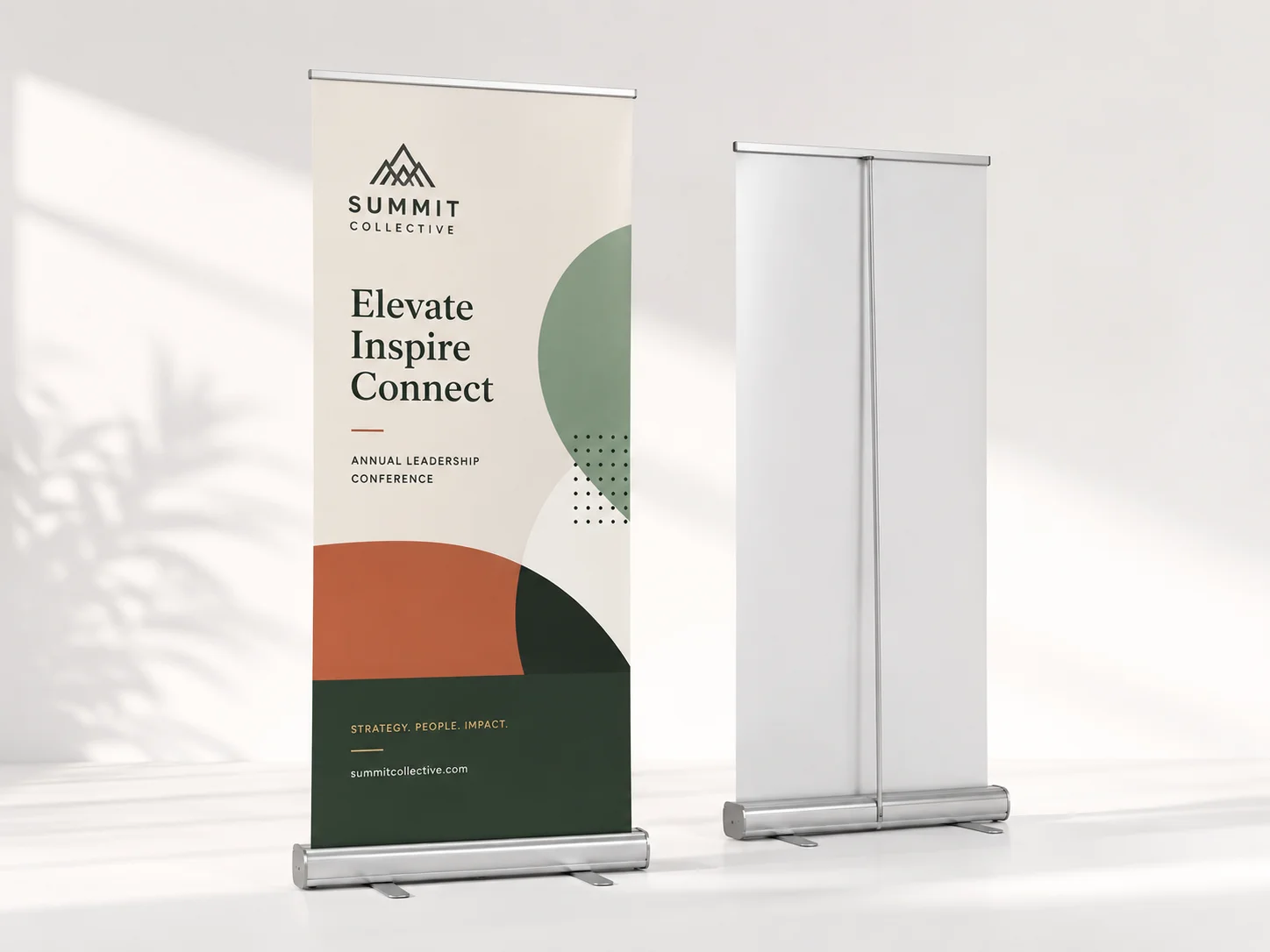
Color and finish drift when pieces come from different printers. The mismatch shows the moment your sell sheet sits inside the folder in front of the banner. Running the promotional materials printing as one job removes that risk, and a bulk printing service can hold your artwork ready for the next show.
Wrapping It Up
Volume is what breaks a booth table, and sorting is the whole of the best trade show handouts design. Put your visitors into tiers, print on stock that survives a flight, add one dated action to every page, then read the scan data.
Start your next set of trade show handouts with BizCard and order a free sample pack to feel the stocks first. Use custom printing services that can reprint ahead of the next show.


