





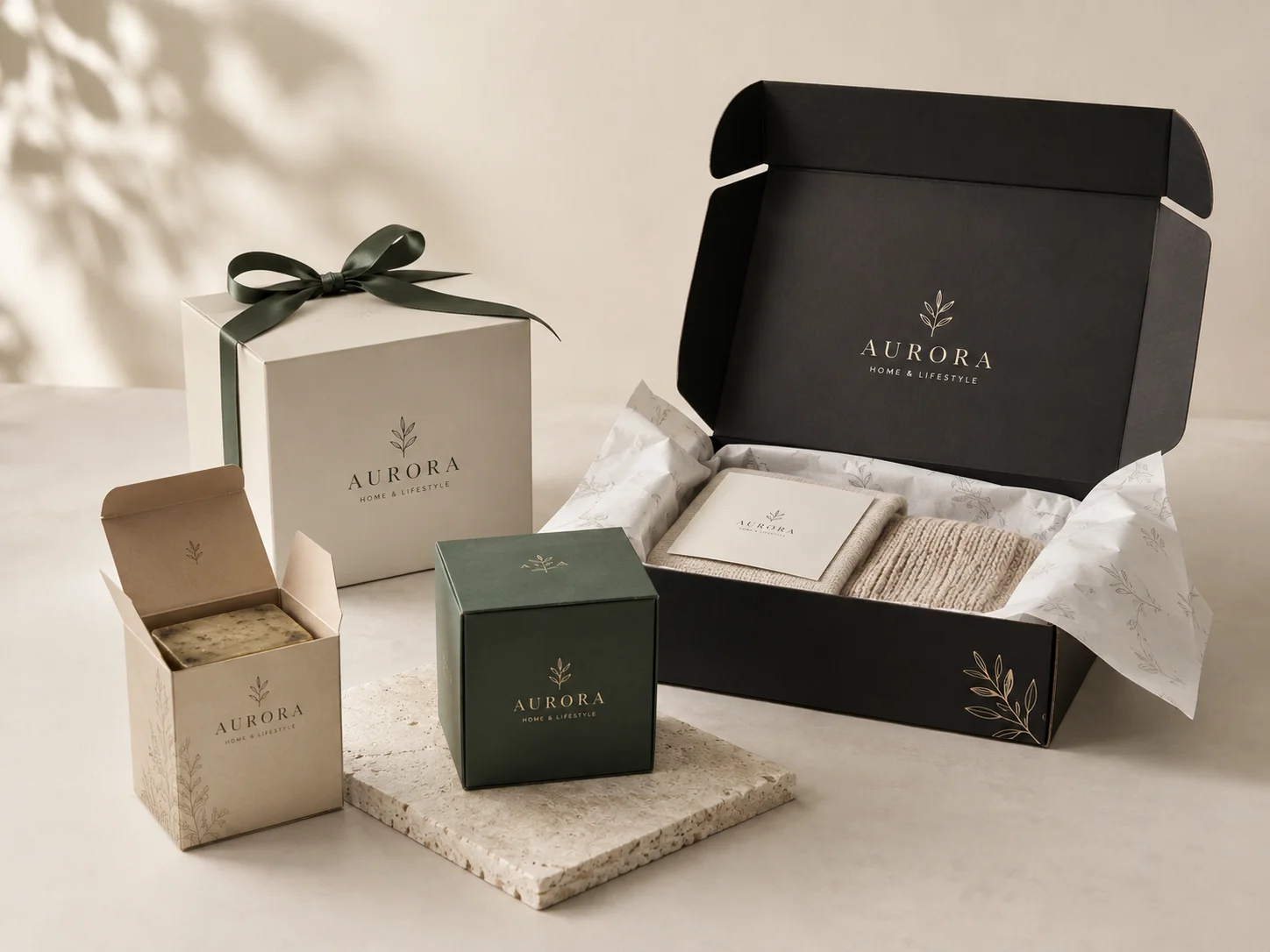






A low packaging quote loses its appeal when the labels have to be printed again. The extra print run also creates work on the production floor. Staff may have to remove labels from filled jars, identify every unit carrying the error, and hold orders until corrected stock is ready.
U.S. packaging laws can affect the label copy, food-contact materials, and certain waste obligations. Product labeling belongs in the packaging specification before a designer starts work.
The budget for product packaging solutions also needs room for sample stock and, where necessary, a specialist’s review of the proposed copy. Those expenses should be agreed upon before the print order is placed.
Packaging Obligations By Product Category
The contents establish the starting point. Jam, face cream, and cleaning paste may share a jar shape, but they do not share one regulatory checklist.
Product Classification
Most packaged foods fall under FDA oversight, while meat, poultry, and certain egg products are handled by USDA. Cosmetics also fall under FDA but have their own requirements. For toys and hazardous household substances, the starting point is CPSC guidance. FTC rules cover many other household consumer commodities. A product may fall under several authorities.
Review Scope
Give the reviewer a brief that explains what the product contains, how it will be used, and what claims will appear on it. Include the manufacturing location and planned sales destinations. The applicable packaging requirements cannot be established from the artwork alone.
The proposal for packaging compliance services should refer to that brief and define the review’s limits. Within the business, packaging compliance needs a named owner with authority to delay printing when a required correction remains unresolved.
Packaging Disclosures Before Artwork Approval

For many covered consumer commodities, the basic disclosures include product identity, net contents, and the manufacturer, packer, or distributor’s name and business location. Other information depends on the category.
Before a copy reaches a product label service, settle the required statements. The drawing sent to a packaging service should show where those statements will sit after assembly.
Net Quantity
An eight-fluid-ounce jar specification describes capacity. The jam’s declared net weight must be based on the contents alone, with the jar and lid excluded. The declaration needs the appropriate measurement method and units, supported by actual fill data rather than the container supplier’s size description.
Space And Legibility
Fit a full-size proof of the product labels to the actual bottle. A line that looks clear on screen may run into a seam or become difficult to read where the surface curves.
Mark those areas on the packaging mock-up and return it to the designer. Reserve the space needed for disclosures before placing illustrations and promotional copy around it.
Exemptions Without Missing Disclosures
Being a small business does not remove every disclosure obligation. An exemption can be used only for the requirement it covers and only when the product meets its conditions.
Eligibility Limits
FDA’s nutrition-label exemptions have different sales, employment, product-volume, and filing conditions. Claims matter too. Adding “sugar free” to a food label can affect whether the product qualifies.
Even with a valid nutrition-label exemption, the food still needs its other mandatory disclosures, including the ingredient statement and net contents. Establish that eligibility before removing the Nutrition Facts panel.
Exemption Records
Store the exemption evidence with the packaging artwork it supports. That record should include the figures used to establish eligibility, any required filings, and a date for the next review. Any proposal for packaging compliance solutions should specify whether the exemption assessment is included.
Food-Contact Materials And Supplier Evidence

A packaging material intended for refrigerated food may have different use limits from one intended for hot filling. The supplier needs the actual food type, temperature, and contact duration to establish suitability.
Supplier Documentation
The relevant document identifies the component actually being supplied and the conditions under which it can be used. FDA explains that a finished food-contact article’s regulatory status depends on its individual substances. Certain authorizations are specific to the manufacturer and conditions of use.
A general assurance of FDA compliance may leave those details unanswered. FDA notes that customers may request a manufacturer’s letter of guarantee covering the intended food-contact use.
Substitutions And Sample Tests
Two identical-looking liners can carry different limitations. Product packaging solutions offered as substitutes therefore need evidence appropriate to their intended use.
Arrange approval of substitutions with the packaging service before ordering. Filled samples should then undergo practical trials for leakage, seal performance, and label adhesion. On a refrigerated bottle, condensation may reveal an adhesive problem that never appeared on an empty sample.
Environmental Claims With Supporting Evidence
Recycled content describes what an item contains. Recyclability concerns what can happen after use. Compostability makes a different promise again.
Qualified Claims
FTC guidance advises against broad, unqualified claims such as “green” or “eco-friendly.” Compostable claims also need qualifications where home composting is unsuitable or appropriate facilities are not widely available. The wording must reflect the disposal conditions the evidence supports.
Component Evidence
Packaging compliance also depends on the claim’s scope. Evidence about recycled plastic in a bottle does not establish the same benefit for its pump or sleeve.
Keep the approved wording attached to its supporting documents. When the packaging changes, that connection makes it easier to identify claims that need another assessment instead of carrying old promises into new artwork.
Small Business Packaging And State Producer Duties

The environmental statement on a carton and the brand’s producer responsibilities require separate decisions.
Producer Eligibility
Oregon’s program requires covered producers to register, report supply data, and pay fees. Businesses meeting the statutory small-producer definition are exempt from those producer obligations. Another state’s exemption should not be used as the basis for an Oregon decision.
Destination Records
For state packaging laws, a useful working register connects destination sales with material descriptions and component weights. This gives the person assessing obligations a consistent starting point.
Review the register before adding a market. The packaging itself may remain unchanged while reporting or fee responsibilities differ by destination.
Packaging Costs And Final Approval
Format And Artwork
Compare boxes and printed components using the space required for approved copy, assembly needs, and the complete order cost. A cheaper format may lose its advantage if it requires additional labels or extensive revisions.
The product label service should supply a clearly identified final file. Match that version to the item code, container size, and formula revision so similar products cannot inherit each other’s copy.
Production Release
Revisit the packaging requirements after changes to ingredients, quantities, claims, supplier components, business details, or sales destinations. Repeat orders need current information just as first orders do.
The contract for packaging compliance solutions should require a dated correction list and a record of completion. Retain it with the approved proof and supplier evidence. Release the order when required corrections are closed.
Conclusion
Packaging regulations affect decisions that become expensive to reverse after filling and printing. The most useful approval process resolves those decisions while changes still involve a proof rather than finished stock.
Finalize the product brief, close the regulatory questions, and approve a physical sample. Then take the specifications to Bizcard to compare print options and prepare the next order from an approved design.


