
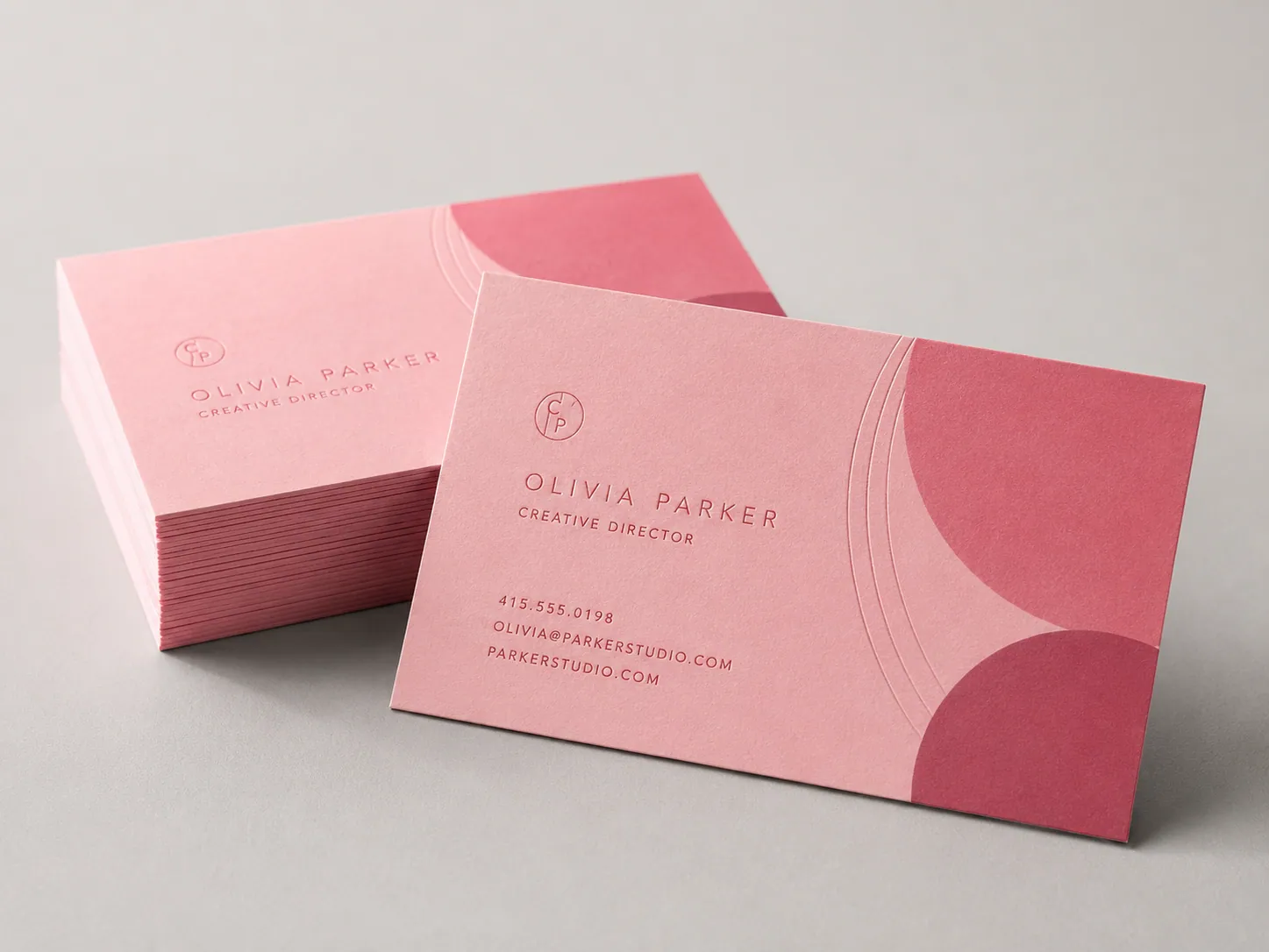
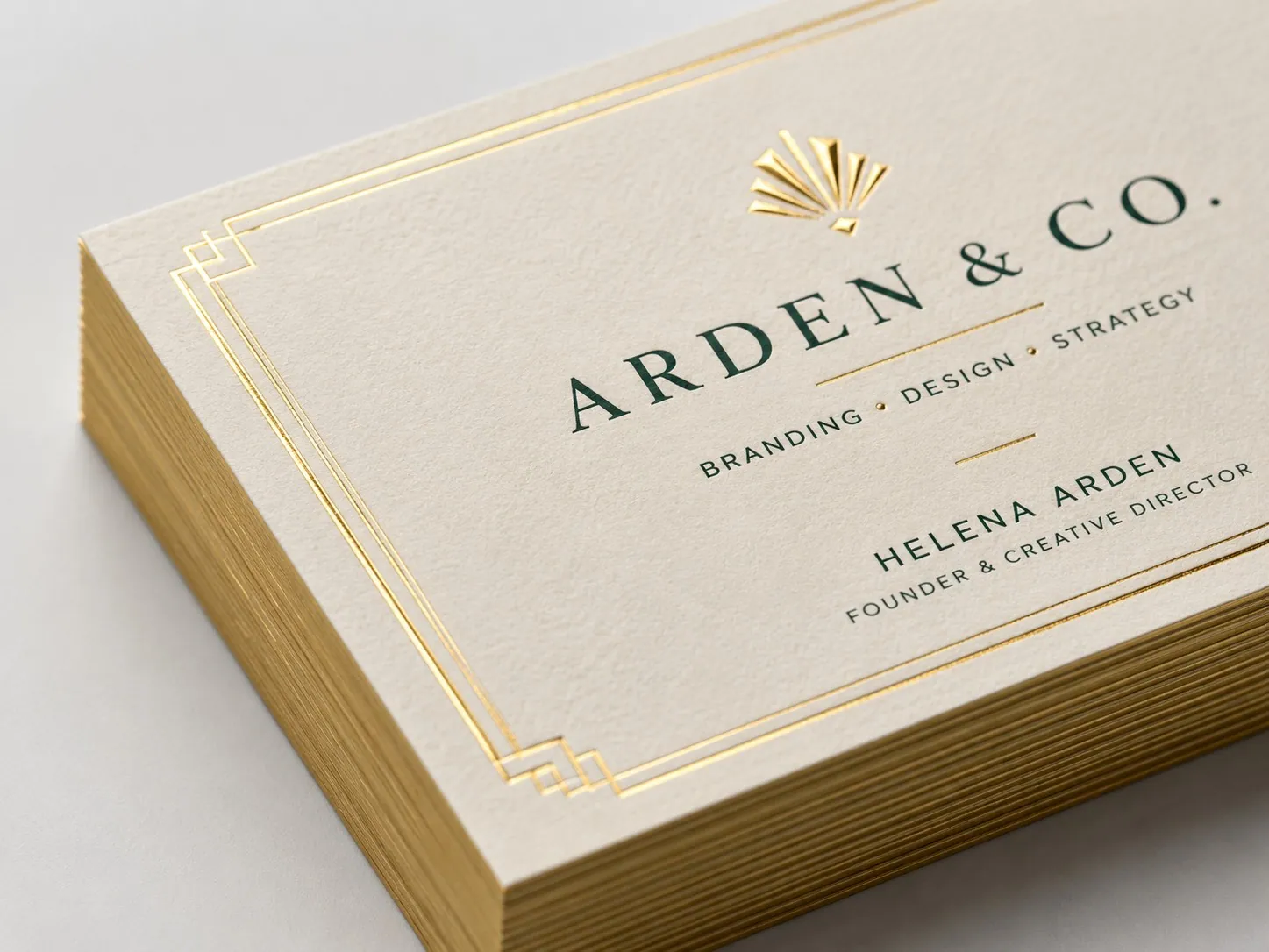



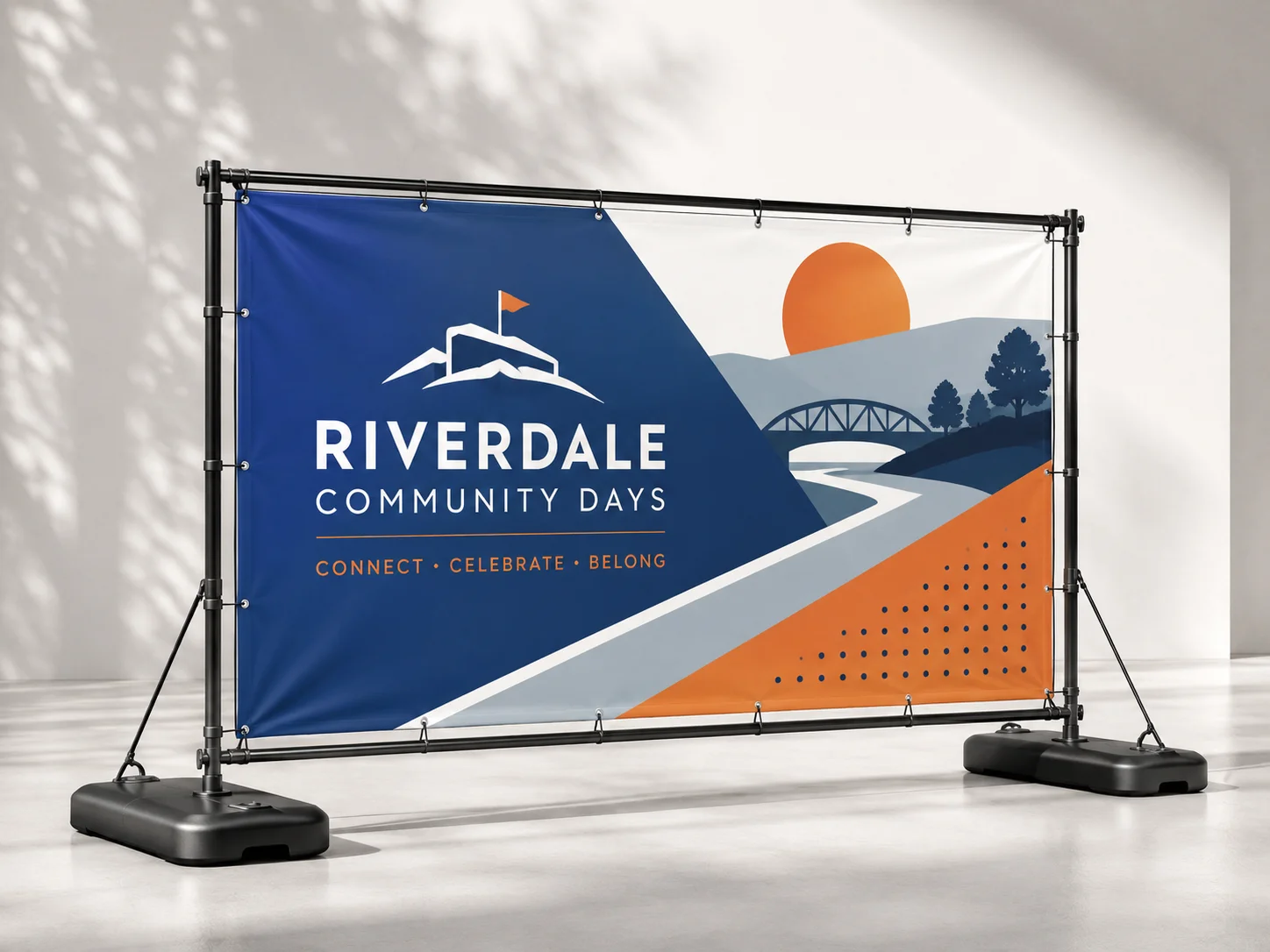

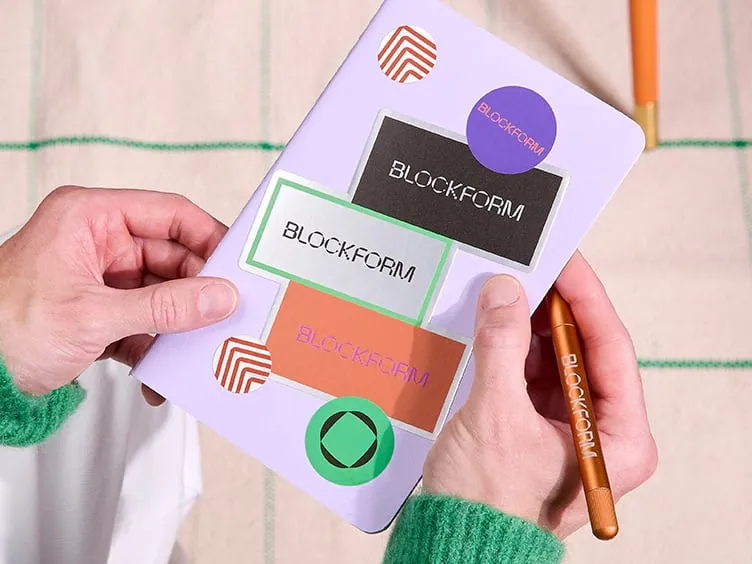



Most print buyers noticed it on a reorder rather than in the news. Print costs in the United States didn’t spike in 2026 so much as ratchet upward. Paper went up in February and again by June, and postage added four cents a stamp in July.
No single step looked dramatic. Run all of them through a 5,000-piece postcard mailing, though, and the extra shows up as a line item nobody budgeted for.
Three Forces Behind Rising Print Costs In 2026
They arrived months apart, which is partly why so many budgets missed them.
Mill Closures And Paper Prices
Paper is where the trouble began. North American mills have shut or converted several machines that once made uncoated freesheet, the sheet behind letterheads and business forms.
By June, Fastmarkets had the grade of $120 a ton above where it started the year, about 7% over mid-2025. Coated stock moved too, with Sappi and Billerud announcing spring increases of 6% or more. Since paper is one of the biggest inputs in print production costs, quotes followed quickly.
Higher USPS Postage
Postage moved on July 12. The USPS price announcement filed back in April set an average 4.8% rise for mailing services. That took the Forever stamp to 82 cents (from 78) and the postcard stamp to 65 cents (from 61). On a single postcard, that 4-cent rise outweighs the paper increase, so postage belongs near the top of any review of print media costs.
Equipment And Service Costs
Digital print equipment and supply costs are up about 10% this year, and service costs about 7%. Printers have started keeping quotes valid for shorter periods, so a March price may not hold in September.
Cost Breakdown Of A Typical Postcard Mailing

Plenty of print marketing plans watch the printing invoice closely and treat postage as a fixed fee. That made sense when a stamp cost 55 cents. At 82, it doesn’t.
Add up total marketing campaign costs for one drop (design hours, the print run, list rental, postage, someone’s afternoon logging responses) and printing rarely tops the list. Mail 5,000 postcards at the single-piece rate and the stamps alone run $3,250.
That is $200 more than before July. By comparison, the cost of postcard printing is a fraction of that, so a thinner card saves little. Removing 600 dead addresses from the list, on the other hand, saves $390 before any design change.
Smarter Production Choices For Lower Print Costs
Printing costs, unlike postage, are mostly locked in at the design stage, before prepress.
Standard Sizes And House Stocks
Odd trim sizes waste paper. A 4 x 6 inch postcard tiles cleanly across a parent sheet, while a size like 4.75 x 6.25 leaves offcuts somebody pays for. Online printers also gang-run common sizes, so each job shares a sheet, and the make-ready bill, with several others.
That shared setup explains why affordable flyer printing usually starts with a standard size. House stocks help for a similar reason. Busy printers buy 100 lb gloss text by the pallet. A specialty sheet ordered for one job never gets that price.
Digital Or Offset By Quantity
Quantity decides the press. With no plates to make, a digital printing service can run 250 postcards, each with its own name, for almost no setup charge. Offset printing services are the opposite case. Plates get made and the press gets inked and adjusted.
A stack of spoiled sheets hits the bin before the first sellable one comes off. On long runs that setup spreads thin, and offset pulls ahead on cost per piece. Quotes at two or three quantities show where that line falls.
Fewer Pages And Tighter Copy
An eight-page brochure uses twice the paper of a four-page one, plus extra folding and usually a saddle stitch. Before ordering bulk brochure printing, it’s worth testing whether one trifold carries the offer just as well. Often it reads better too, since long brochures lose readers before the offer.
Postage Savings For Direct Mail Campaigns

Postage is the bigger lever on any mailed campaign, even though it takes more planning.
Start with the list. House files collect duplicates and stale addresses between drops, and each costs as much to mail as a paying customer. Running the list through the USPS change-of-address database (NCOA) catches people who filed a forwarding order.
Volume comes next. Mailings of 200 pieces or more can travel as USPS Marketing Mail, which requires a permit but prices well below single-piece postage. At First-Class rates, postcard printing also undercuts a letter, with nothing to stuff and a stamp 17 cents cheaper.
For a neighborhood offer, Every Door Direct Mail (EDDM) drops the list entirely. The carrier delivers to every address on the route. EDDM postcards cut to 6.5 x 9 inches clear the program’s flat-size rules.
Flexible Budgets For Rising Print Costs
Annual print budgets set last winter didn’t survive 2026 intact. Leaving some slack in the printing budget keeps one price change from raiding the wider marketing budget.
Keep roughly a tenth of the print line uncommitted until mid-year.
Get each quote’s expiry date in writing and order before it lapses. Online commercial printing with live quantity pricing makes rechecking a price quick.
Once responses are in, shift the next quarter’s money to whichever piece produced the cheapest leads.
Bundle bulk brochure printing into the same order as flyers and postcards, since one carton ships for less than three. Frequent buyers can add a business printing plan for a standing discount on every order.
Measuring Print Campaign ROI Per Mailing

Paying 15% more per piece is fine if it pulls 30% more orders. Only tracking shows whether it does.
Give each mailing a door of its own, such as a short URL, QR code, or promo code used nowhere else. Take total marketing campaign costs and divide by responses. Spend $4,000, get 80 calls, and each call cost $50. If 20 of those callers place orders, the real figure is $200 per sale. Margin per order shows whether that paid off.
Before rolling out, mail offers A to 1,000 addresses and offers B to another 1,000, then sends the winner to everyone else. A unique code does the same job for print advertising in a local magazine or newspaper insert.
Event flyers can carry one too. The same layout habits that turn flyers into a steady source of leads also make a code easier to spot. With print costs climbing, that per-sale figure is the first thing a finance team will ask about.
Final Thoughts
The cheapest fixes happen before the first big mailing of the year. Lock quantities early and leave a 10% cushion in the printing budget. Then point more of the marketing budget at proven pieces, from affordable flyer printing for a weekend event to a quarterly postcard drop. Teams that check print campaign ROI after every mailing will know which ones deserve it.
BizCard shows live prices on postcards and flyers as each option is picked and sends a proof before anything prints. Next-day turnaround is available on selected products. Price the first 2027 run this week, and it can be proofed and on the schedule before January.


