





Customer retention is decided after the first sale, not during it. Someone can like what they bought and still forget who they bought it from. Months later they need the same thing again, and they order from whichever brand happened to stay in view.
A card is one way to stay in view. Greeting cards support retention by recognizing the customer, keeping the business familiar during the gap between orders, and opening the door to another purchase without turning every message into a pitch.
How Greeting Cards Improve Customer Retention?
The value is not the card. It is the moment the customer opens it and understands why it arrived. When the message lines up with the reason for sending it, the card lands. When it does not, it joins the pile with everything else.
Create A Personal Connection
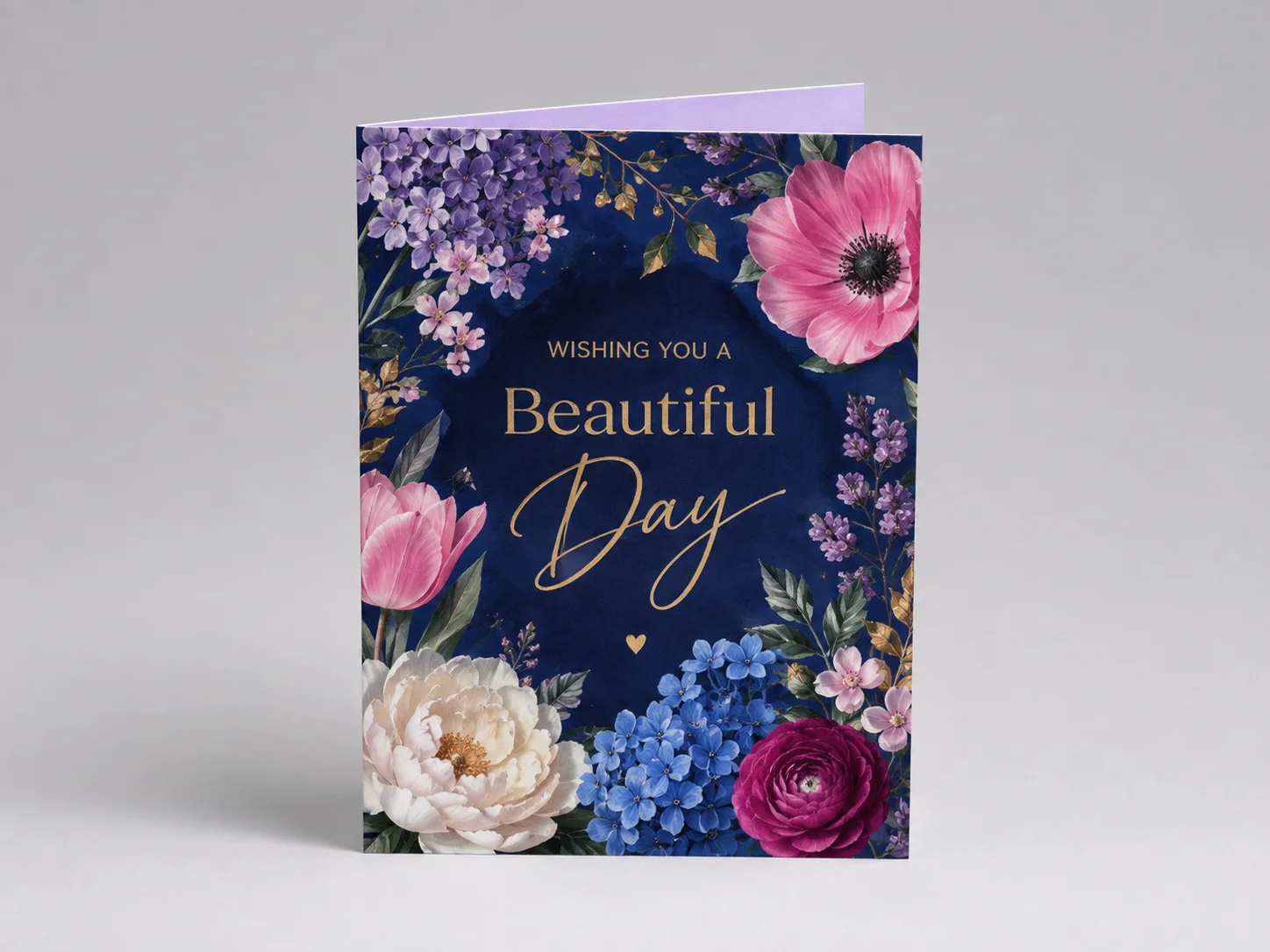
Custom greeting cards give you room to name the thing that actually happened. A purchase, a service visit, a referral, a birthday, an anniversary. The note does not need to be long. It needs to sound like it was written after that customer, not before.
"Thank you for your business" is polite and forgettable. "Thank you for trusting us with your first event order" tells the customer that someone looked at their account before signing the card.
Personalized greeting cards work because the wording can shift with the relationship. A first-time buyer, a client of nine years, and someone who has not ordered since last spring are three different conversations. Sending all three the same line is the quickest way to sound automated.
Stay Memorable Between Purchases
Some businesses go months or years between orders. A printed card fills that silence without asking for anything, which is exactly why it works. Nobody feels sold to.
Corporate greeting cards do the same job in professional relationships. A client anniversary, a finished project, a renewal, a year-end thank-you. Each one gives you a reason to reach out that does not feel manufactured.
The goal is simple enough. When the customer finally needs you again, your name should still feel familiar.
Encourage The Next Purchase
A retention card can make the next step obvious. A salon can note when the follow-up appointment is due. A retailer can add care instructions and a reminder of when most people reorder.
Thank you cards work best when the appreciation comes first and the nudge comes second. If the offer is the loudest thing on the card, the appreciation starts to read as packaging.
Get that order right and the card stays useful without leaving the impression that every contact is really just another sales attempt.
Best Times To Send Customer Greeting Cards

Timing is what separates thoughtful from automated. The strongest moments are tied to something the customer actually did.
After A First Purchase
The first order is where retention starts. Custom printed greeting cards extend the experience past delivery and give the purchase a better ending than a packing slip.
Businesses planning custom greeting card printing can set up one branded format and leave the inside message open. Production stays simple, and the cards do not all read the same.
Send it while the purchase is still fresh. Too early and it feels like part of the shipping process. Too late and the customer has already moved on.
After A Referral Or Milestone
Referrals, reviews, renewals, and anniversaries hand you the reason to write.
Thank you card printing fits these moments because the purpose explains itself. On larger programs, business greeting cards printing keeps the presentation consistent while staff add a handwritten line or a real signature.
A referral note can simply acknowledge the introduction. A loyalty milestone can recognize how long someone has stayed. Neither one needs a sales message attached to it.
When A Customer Goes Quiet
Inactive customers need a different tone. Personalized greeting cards can tie the message to the buying cycle, like seasonal maintenance or the normal stretch between visits.
That gives the contact a reason to exist.
Acknowledge that it has been a while without making it sound like a complaint. You are reopening a door, not collecting one.
Personalization That Builds Customer Loyalty

Generic communication gets ignored. Retention improves when the customer can see, in the first line, why this was sent to them.
Write For The Customer Stage
Custom greeting cards get stronger when the message changes with the stage. A new buyer wants reassurance. A repeat buyer wants recognition. A former customer needs a reason to come back.
Shopify's 2026 retention guidance also pushes segmentation and personalized outreach. Print is no different. One design can cover several customer groups as long as the words do not.
That keeps personalization real without turning it into a project nobody has time to run.
Keep The Message Specific
Short and specific beats are long and polished almost every time. Say why you are writing, acknowledge the customer, and sign it with a real name.
That is a fair test for anything you send. If the same words could go out to ten thousand people untouched, the card needs one more pass.
Greeting Card Design That Supports Retention

A good message can still fall flat if the card is crowded, loud, or hard to read. The design should serve the reason you sent it.
Make The Message Easy To Read
Good greeting cards design leaves room for the note and resists the urge to turn the card into a small advertisement.
An oversized logo, two offers, a QR code, and a block of copy will undo the personal feeling before anyone reads a word.
Businesses starting from nothing can adapt free greeting card templates to their colors, logo, and occasion. Let the template handle the structure. The message is what makes it personal.
Match The Print To The Relationship
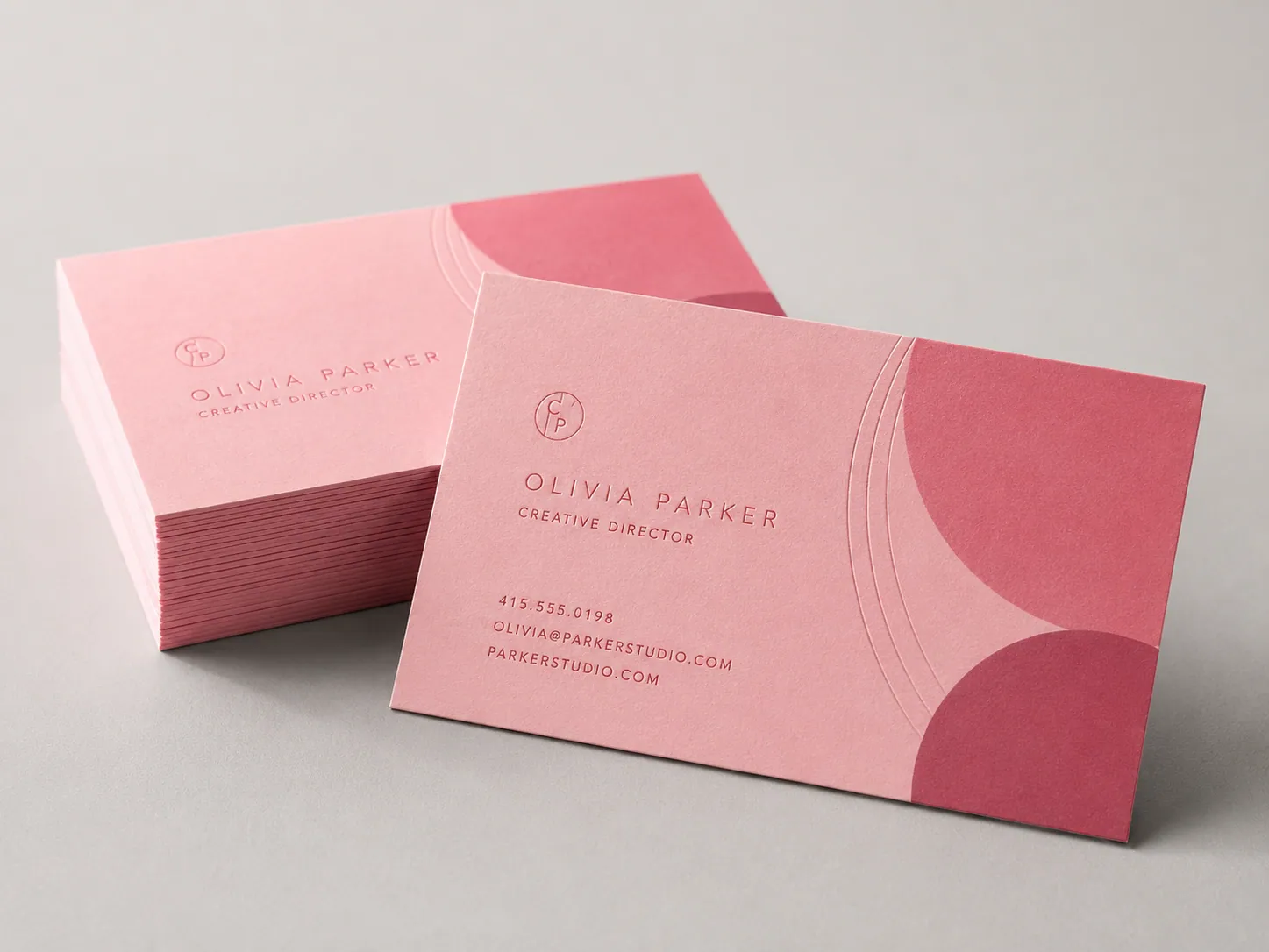
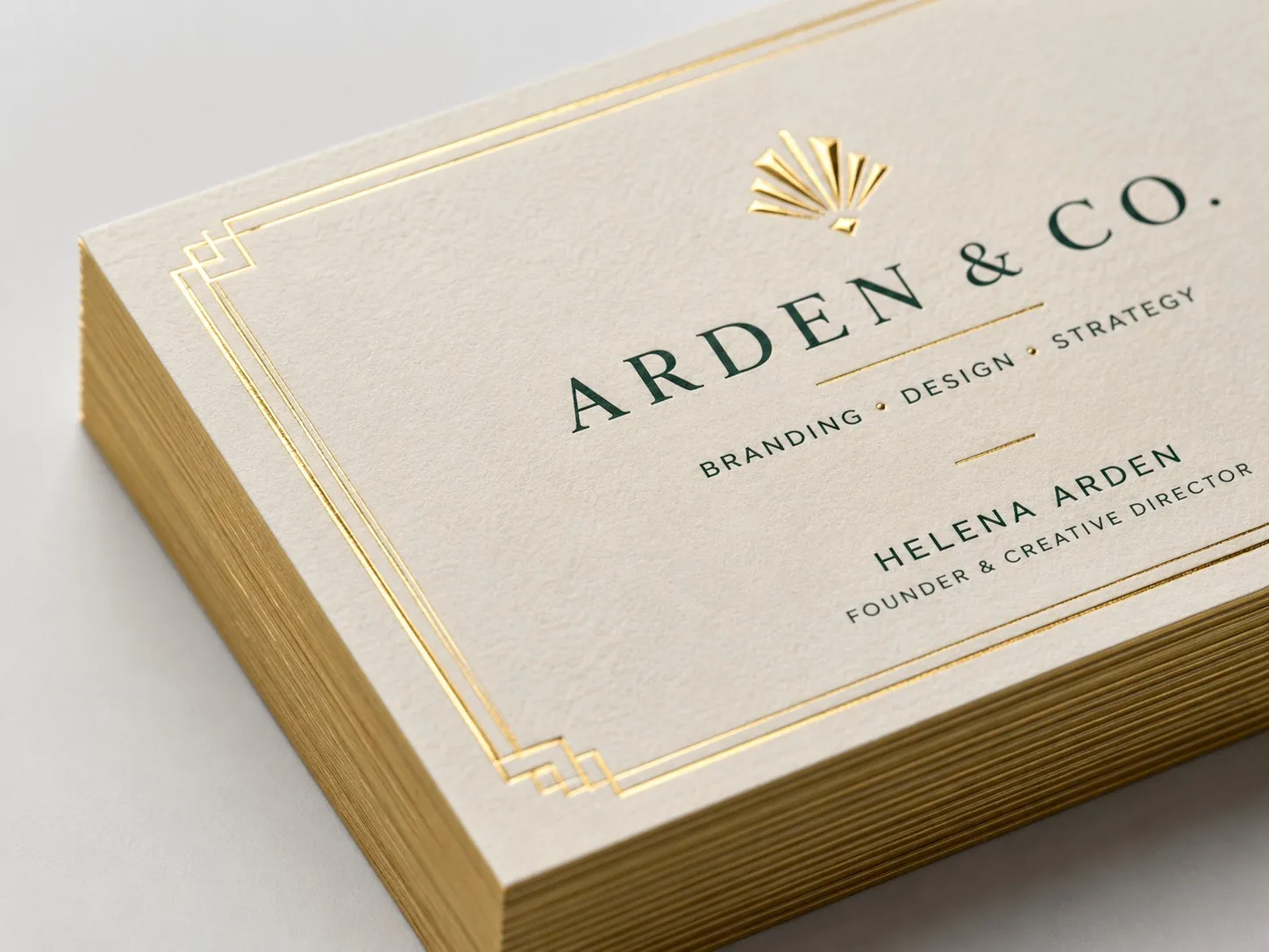
Custom printed greeting cards for a high-value client can justify heavier stock or a premium finish. An everyday post-purchase card can be plain, as long as the printing is clean and the words are real.
Corporate greeting cards should also sound like the business sending them. A financial firm, a children's boutique, a salon, and a restaurant have no business using the same tone.
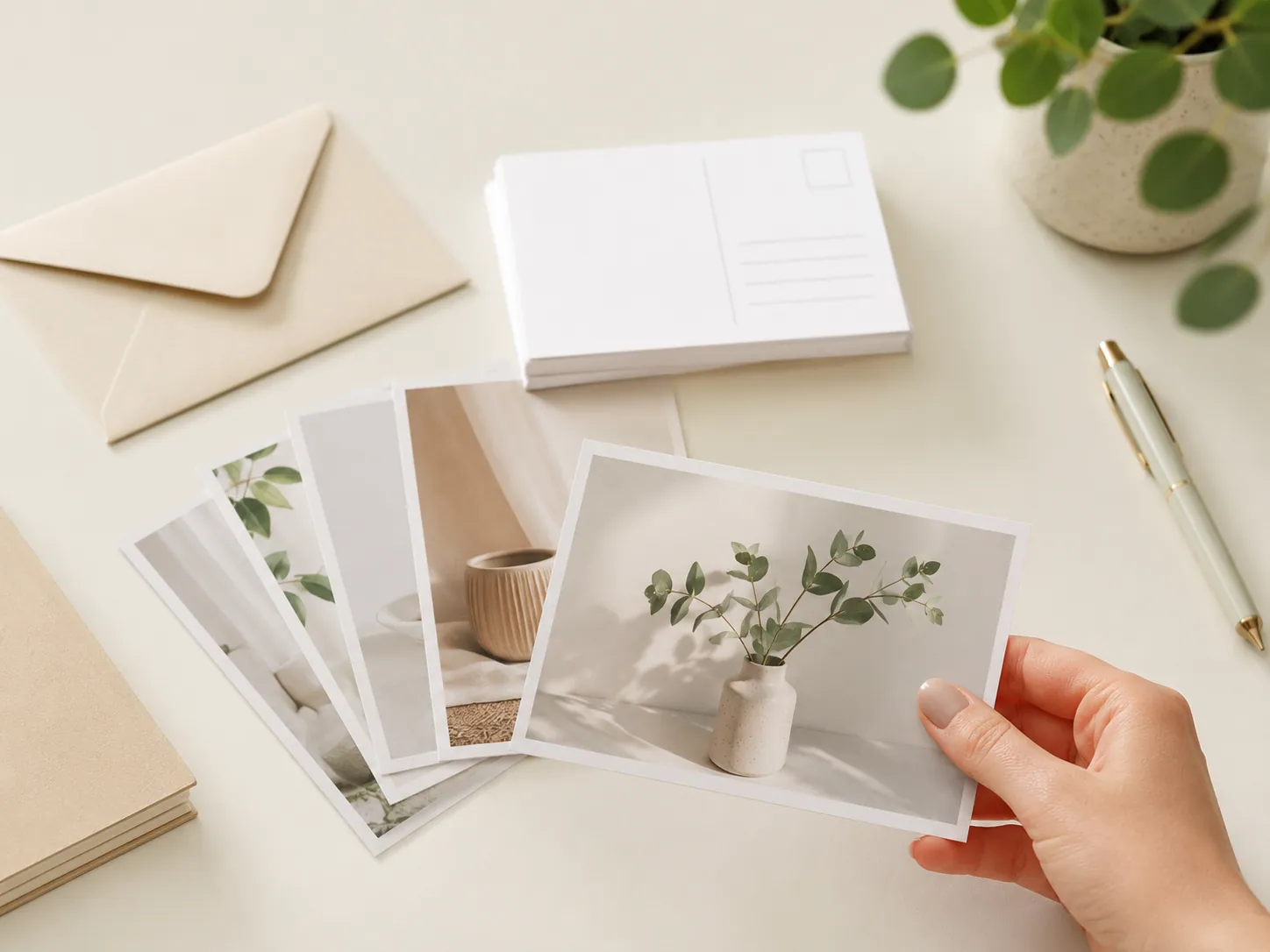
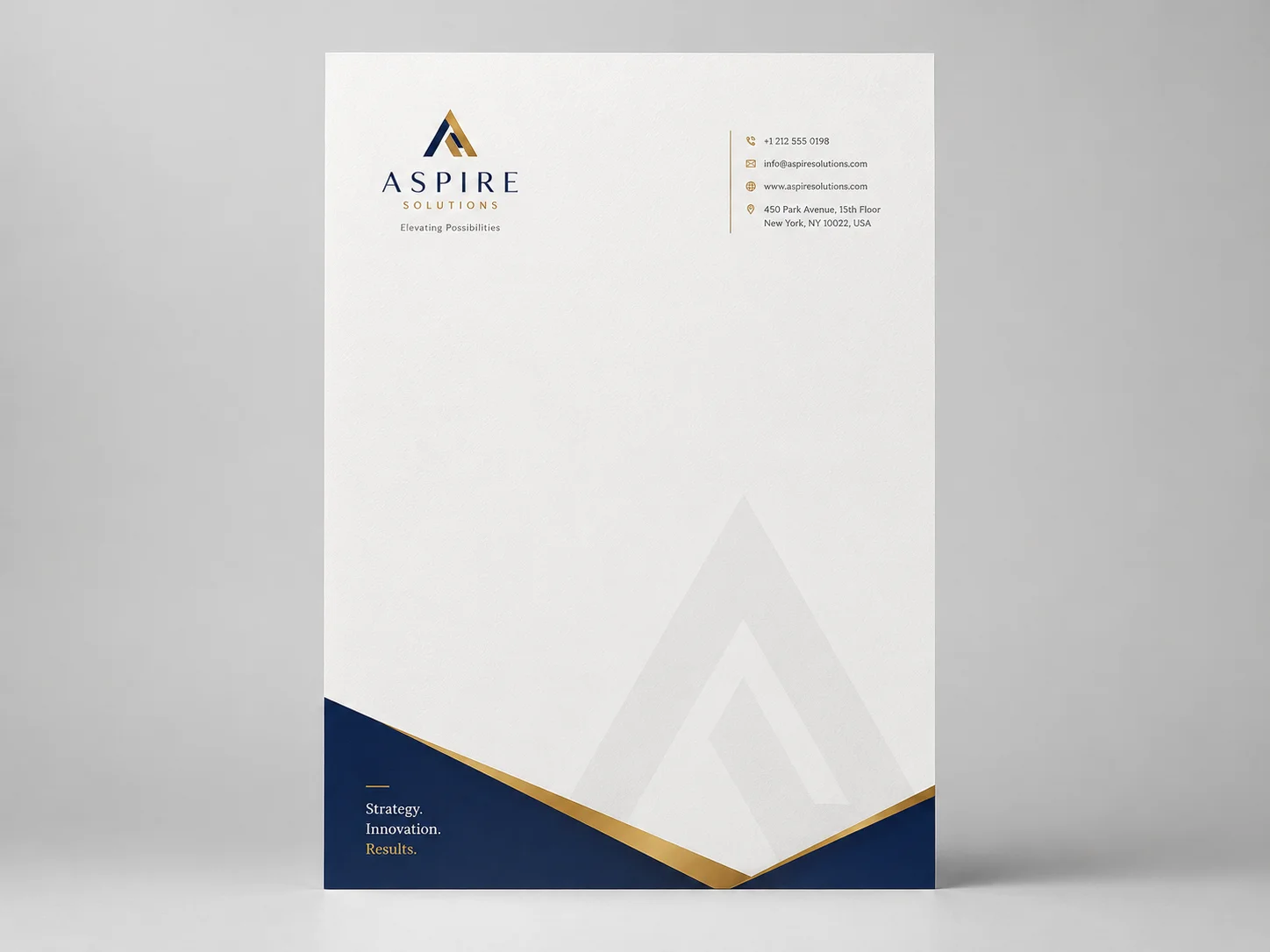
If the card goes out in an envelope, custom envelopes keep the mailing consistent from the second it lands in the mailbox.
Building A Repeatable Greeting Card Strategy

A retention program needs enough structure to run without eating the week, and enough variation that customers do not feel processed.
Separate Appreciation From Promotion
Not every touchpoint needs an offer. Most of the time, being noticed is the whole point.
Use a discount when it has a job to do, like pulling a second order or waking up a buyer who has gone cold. Do not add one because the layout looks empty.
Thank you cards should still read as appreciation even when an incentive is included. Human message first. Offer underneath.
Keep The Program Manageable
Rather than writing one message for everyone, build a small set of scenarios. First purchase, referral, anniversary, service recovery, and reactivation will cover most of what comes up.
Thank you card printing then runs on a repeatable process without going stale. Staff know which message belongs to which situation, and you can sharpen the wording as you learn what people respond to.
It also makes card printing easier to scale, because the look stays fixed while the copy moves.
Measuring Customer Retention Results
Judge the campaign by what customers did, not by how many envelopes went out.
Track The Right Behavior
For a first-purchase campaign, count second orders. A salon tracks rebookings. A referral campaign tracks the customers who came in through existing clients. A win-back program tracks how many inactive buyers came back.
Shopify's 2026 retention guidance points to repeat customer rate, purchase frequency, and customer lifetime value. Those numbers tell you whether the follow-up is building something or just adding noise.
Pick the metric that matches the goal. Measuring everything usually means learning nothing.
Improve Before Scaling
Start with one customer group and one goal. Hold the timing and the message steady long enough to read the result.
Business greeting cards printing can scale once you know which moments are worth the postage. If the response is weak, change the timing, the wording, or the offer before you print more.
Greeting cards design is worth testing too. A plain card with a handwritten signature often beats a busy promotional layout. The only test that counts is the one that moves a real customer outcome.
Bottom Lines
Retention is built from a run of small good experiences, not one grand gesture. A card sent at the right moment adds to that run by making the customer feel recognized instead of processed.
Pick one moment to start with. Write for that situation, keep the design out of the way, and watch what happens next.
Businesses ready to make appreciation a regular part of retention can use BizCard for professionally printed greeting cards, stationery, and customizable options built for customer communication.

