
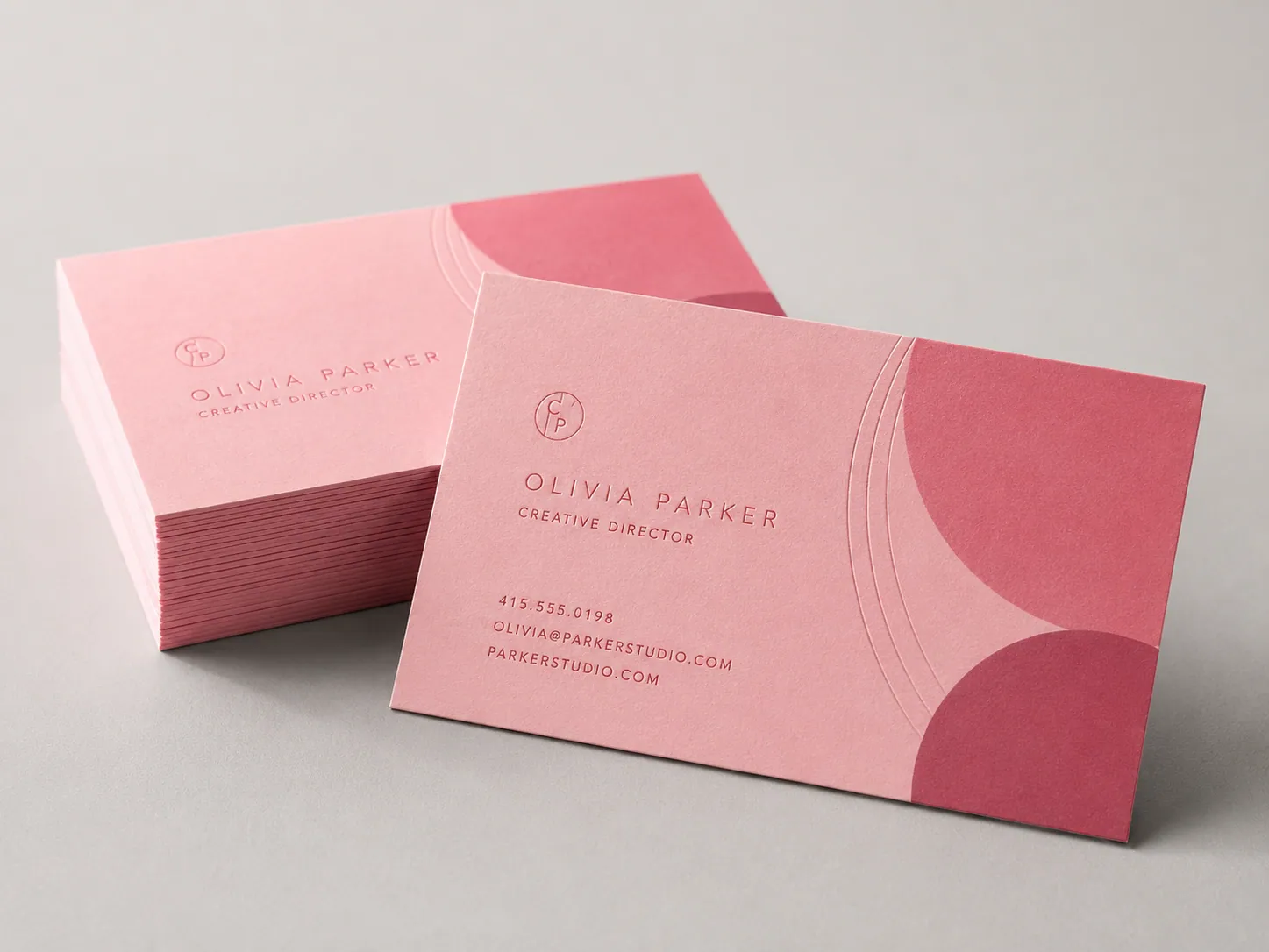
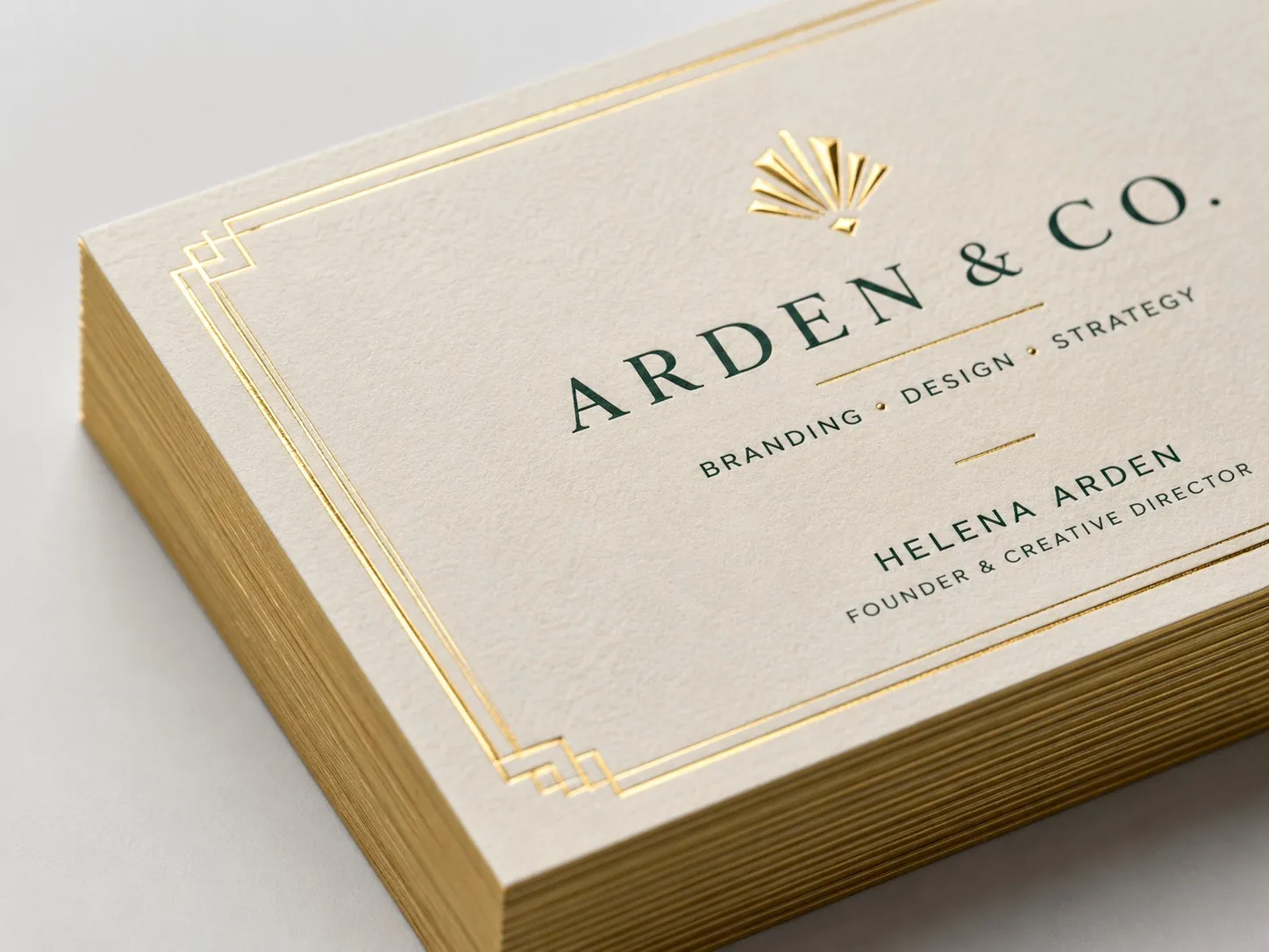


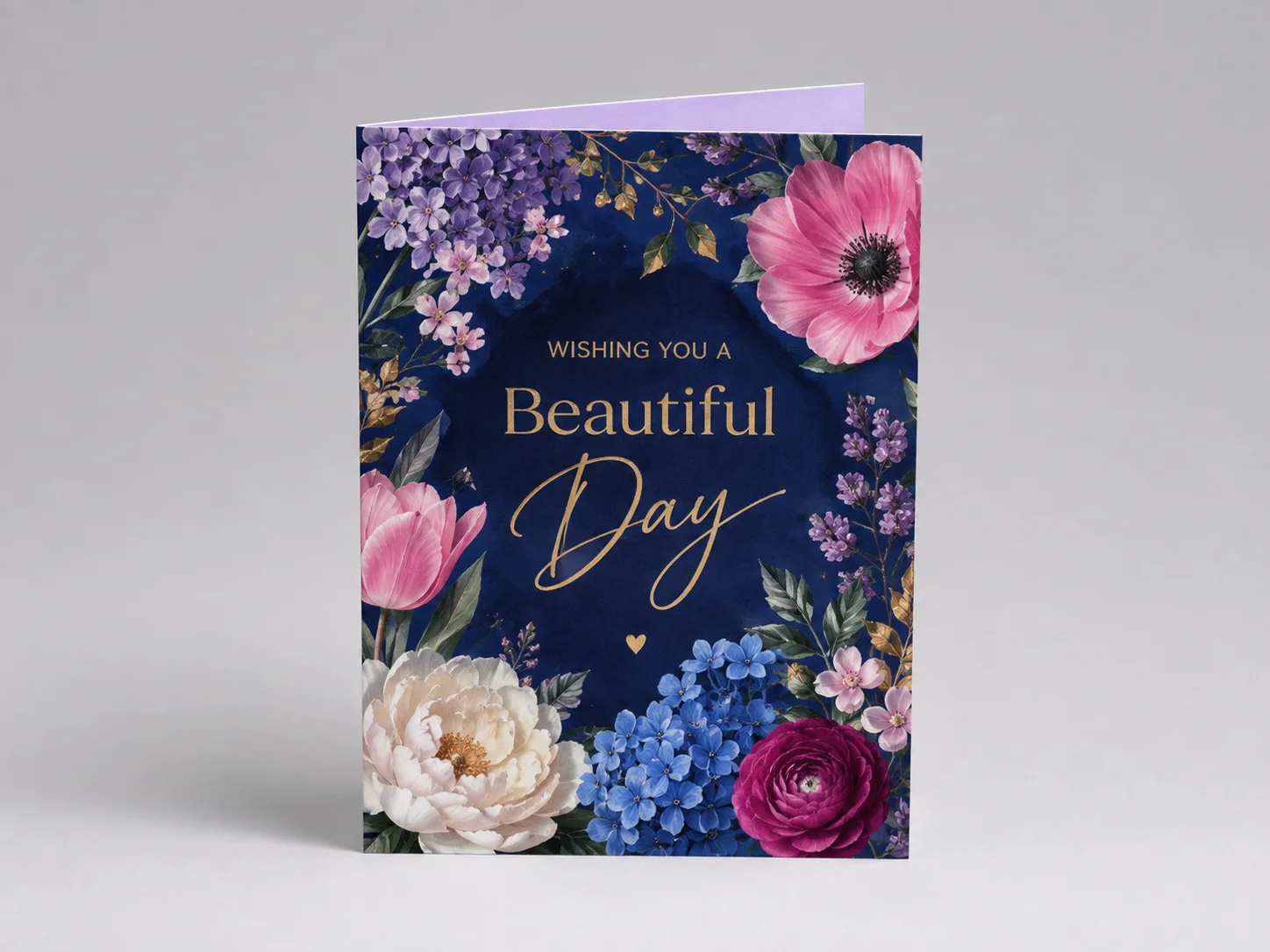
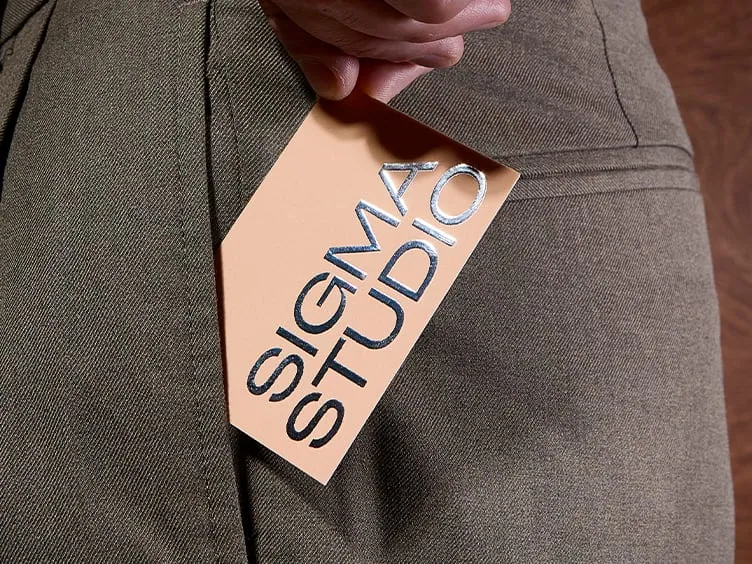

Minimalist does not automatically mean inexpensive. A sparse card on thick cotton stock with letterpress or foil can cost more than a decorative digital piece on standard paper.
The same is true for printed wedding invitations. Paper, print method, inserts, envelopes, finishing, assembly, and postage all influence cost.
For custom wedding card printing, compare the base card first, then add upgrades one at a time. That makes it much easier to see whether thicker stock, foil, or another insert is worth paying for.
Use the same approach when comparing wedding invitation printing. A clear quote is easier to judge when the production choices are visible instead of hidden inside one total.
The Envelope Should Be Part Of The Design Decision

The card and envelope need to be planned together. A set that fits before assembly can become tight once inserts or heavier stock are added.
Before final approval, compare custom envelope options with the complete set rather than choosing an envelope after the artwork is finished.
A coordinated wedding card design matters even with modern wedding cards. A clean 5 by 7 inch invitation still has to work with its envelope, inserts, and addressing method.
Proofing Should Separate Wording From Print Production

Proofing works better in two passes. First check names, dates, times, venue spelling, ZIP codes, URLs, and RSVP deadlines line by line.
Then check production. Confirm final size, bleed, safe area, image quality, color setup, trim, and finishing instructions. For wedding invitation printing, review the file at actual size instead of relying on a zoomed-in screen.
A physical proof is especially useful when pale colors, fine type, textured stock, foil, or another specialty finish matters. That is the difference between a screen preview and a piece meant to be held in the hand.
The same check is worthwhile before approving printed wedding invitations in quantity. A small correction at the proof stage is easier than discovering the problem after the full run.
Mailing Can Change The Real Cost Of The Suite
Printing is only part of the job. The assembled piece still has to travel through the mail.
Extra cards, heavy paper, liners, seals, and wraps increase weight and thickness. Square formats, rigid pieces, and unusual closures may also affect processing.
Assemble one complete set, weigh and measure it, then check current USPS requirements before buying postage for the full quantity.
A minimalist wedding design often has fewer mailing variables, but simple wedding cards should still be tested as a finished piece. The main card alone does not determine the final mailing weight.
A Hybrid Suite Keeps Formality Without Unnecessary Bulk

There is useful middle ground between one card and a heavily layered package. A main invitation, one details card, a coordinated envelope, and one premium finish can still feel formal.
This approach works particularly well for modern wedding cards. Paper, typography, and one tactile detail can create personality while the supporting card carries practical information.
It also keeps the layout focused. The main card stays central while secondary information has somewhere to go.
Couples still comparing directions can review invitation and announcement templates before committing to a print setup. Seeing complete layouts makes it easier to judge whether a minimalist or layered direction suits the event.
A hybrid format can also simplify elaborate suite invitation printing because there are fewer pieces to proof, stack, and mail.
Final Review Should Follow The Guest Experience
For a final custom wedding card printing check, the last review should begin with usability. Open the envelope as a guest would. The date and venue should be easy to find, the RSVP instruction obvious, and every insert useful.
Then look again at the wedding card design and wedding invitation design at actual size. Elegant wedding invitations should still feel balanced when every piece is stacked together.
That final pass is where wedding invitation styles stop being mood-board labels and become practical choices. The finished set should be easy to understand before it is admired.
To Sum Up
Minimalist layouts work when the information is limited and paper, typography, and spacing can carry the presentation. Elaborate suites work when extra pieces genuinely help guests or support a more formal experience.
Before wedding invitations begin printing, settle the content, choose the envelope, proof the artwork at actual size, and test one complete mailed piece. When the design is ready, BizCard can turn the final concept into a printed set that feels considered from the envelope to the RSVP.

