











Most companies already own a sales kit. It sits in a shared drive, and a deck was last touched when the pricing changed. Reps skip it, rebuild pieces from scratch, and walk into meetings with whatever they found fastest.
The 2026 State of Sales report from Salesforce found that the average seller spends just 40% of their time selling, so anything that slows a live deal gets dropped.
A B2B sales kit earns its place only when a rep can grab the right piece in seconds and trust it is current. This guide shows how to build sales collateral that way.
What Is a B2B Sales Kit?
A B2B sales kit is a complete collection of professional sales and marketing materials created to help a business communicate its products, services, value, and brand to other businesses. It gives sales teams the information and resources they need to introduce an offer, answer common questions, build trust, and guide potential clients toward a purchase decision.
A B2B sales kit can include company profiles, brochures, product sheets, presentations, case studies, testimonials, pricing details, FAQs, samples, and other useful sales resources.
A B2B Sales Kit Only Works When Reps Reach For It

A sales kit is the set of decks, one-pagers, proof pieces, and printed leave-behinds that a rep uses to move a buyer from the first call to a signed contract. A sales toolkit speaks to one buyer about one decision.
Kits go unused for three reasons. Reps cannot find the piece in the moment; they doubt it is current, or it is so generic it says nothing about the buyer. Each is a build problem, not a rep problem.
In a Gartner survey of 646 buyers, 67% said they prefer to buy without a rep involved, so B2B sales collateral often does the talking after the meeting ends.
Start With The Conversations Your Reps Actually Have
Before designing anything, sit with a few reps and list the conversations they have most often. A first call where the buyer is still defining the problem, a comparison meeting, a technical review, a pricing discussion, and the internal pitch the buyer gives to leadership without you in the room.
Gartner describes a B2B purchase as a loop through six buying jobs, and buyers who use a supplier's tools alongside a rep are 1.8 times more likely to land a high-quality deal than buyers who go it alone. Your sales materials should support those jobs, not describe your company.
Map Each Piece To A Buying Job
Draw a grid with buying jobs down the left and kit pieces across the top, and mark where each piece helps. Gaps show what to build. Duplicates show what to cut. The post-sale column is usually empty, even though a short thank-you card after signing keeps a new account warm.
Build The Core Pieces Around One Decision Each

Every piece should answer one question the buyer is asking at that stage.
The Deck
The sales deck is where most kits go wrong. One deck tries to do everything, and reps skip half of it live. Build a core of eight to twelve slides that frames the buyer's problem and proves your answer, then keep an appendix reps pull from by segment. Good sales presentation design treats slides as support for a conversation, not a script.
The One-Page Sell Sheet
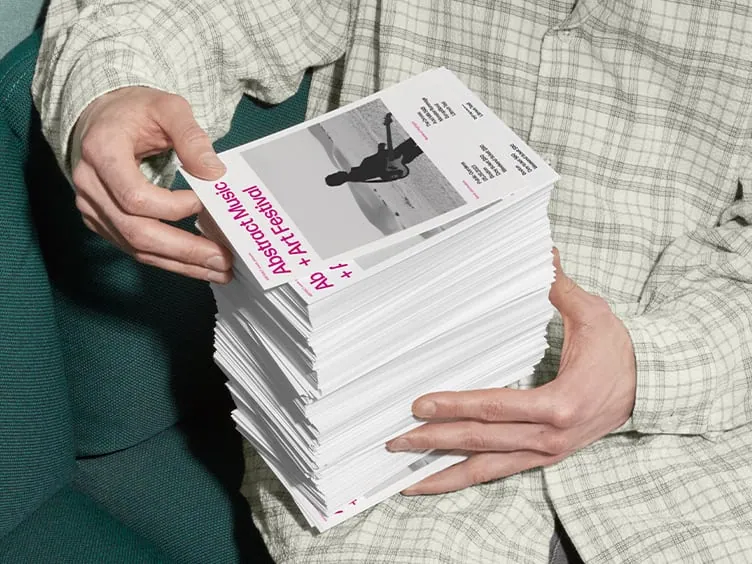
The sell sheet is what reps actually send after a first call. It fits one product or use case on a single page and survives being forwarded to someone who missed the meeting. A well-built sell sheet on heavier card stock does more work in a follow-up than a full deck.
Proof Pieces
Proof pieces are one-page case studies, short customer quotes, and a comparison against the alternatives the buyer is weighing. Keep each case study to the before, the change, and a number. These carry the validation stage, when the buyer needs to be sure.
The Leave-Behind
The leave-behind is the printed set a rep hands over after an in-person meeting, usually a folder holding a sell sheet, a case study, and a pricing summary. Good sales kit design means the pieces fit together, share a single visual system, and can be swapped out as offers change. For meetings that end with a demo, add sales presentation printing so the buyer leaves with a handout version of the deck.
Design So Reps Trust It And Buyers Read It

Design is why a rep trusts a piece and a buyer reads it. Strong sales collateral design follows a few rules. Use one visual system for every piece so the deck, sell sheet, and case study clearly belong together. Put the buyer's problem in the headline, not your product name. Give every page one job. Leave white space, because dense pages read as old.
Mark Every Version
Add a date and version number to the footer of every piece so a rep can tell at a glance if it is current. B2B sales collateral design also has to survive an office printer, a phone screen, and a ninety-second skim, so test each piece in all three.
Event handouts fail the same tests, which is why most trade show handouts end up in the trash. If the team lacks design capacity, sales deck design services and a template system pay for themselves. The same goes for sales presentation design, where one slide master stops twenty reps making twenty pitches.
Print The Pieces That Need To Be Held
Digital wins for speed. Print wins in the room. A printed set stays on the desk after the browser tab closes. Print what gets handed over in person and keep everything else digital.
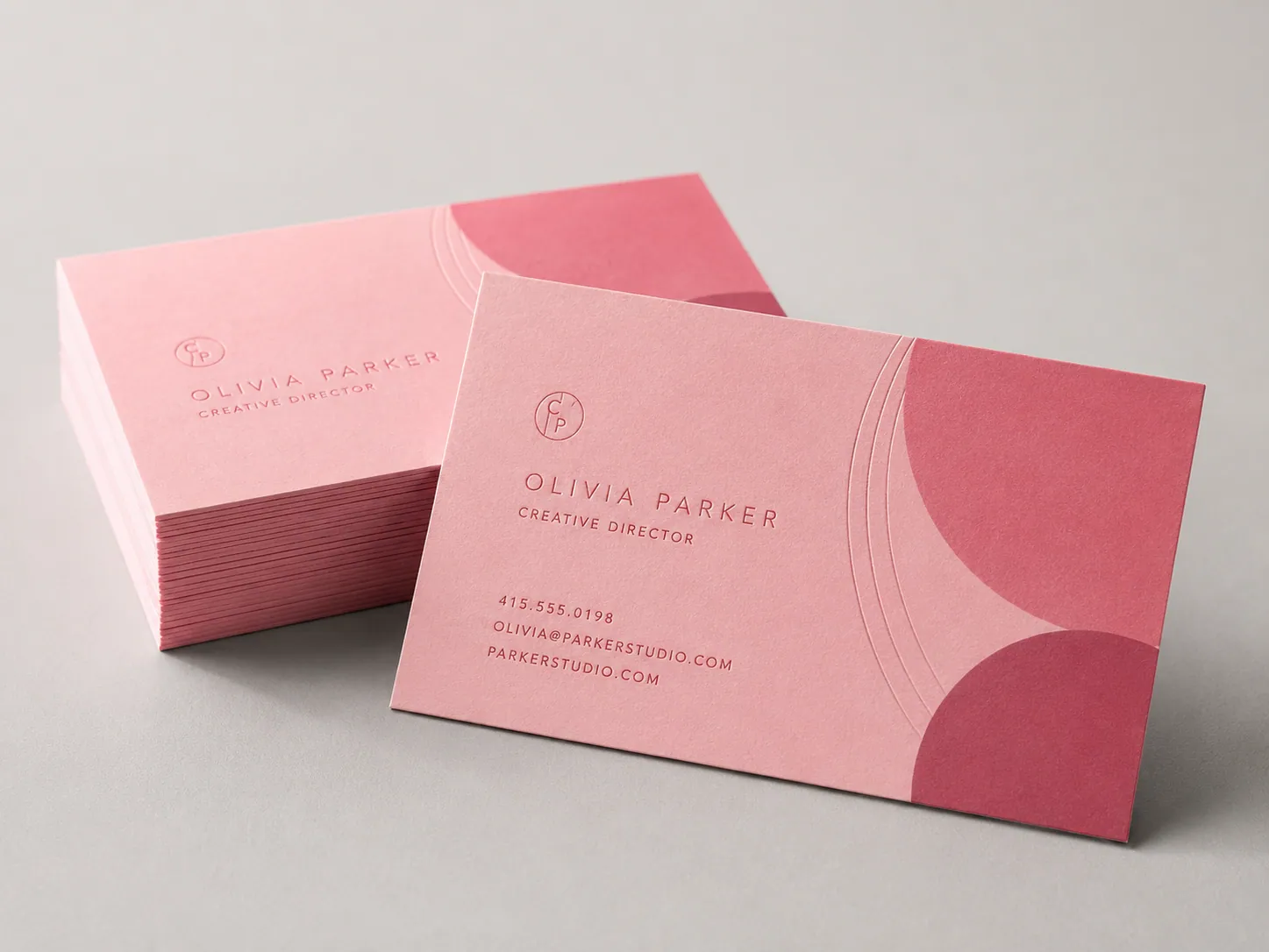
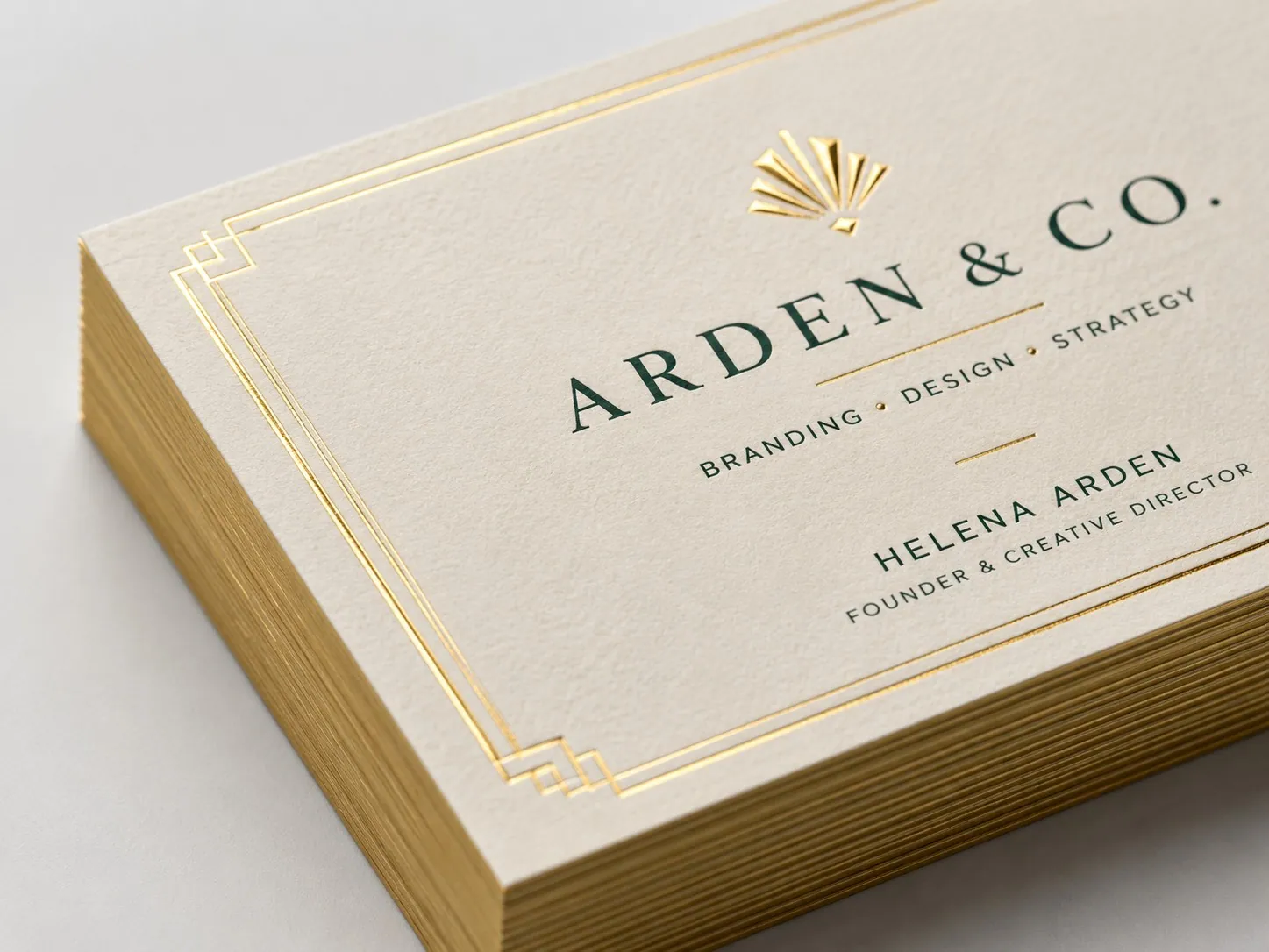
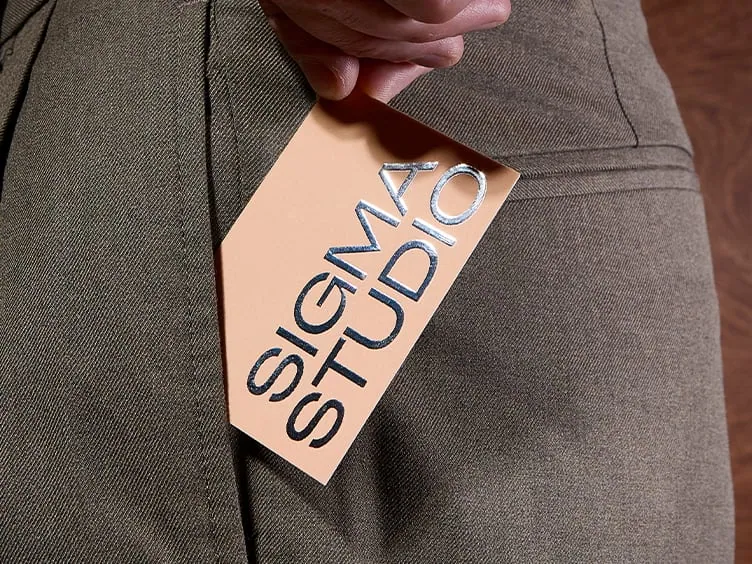
A branded presentation folder is the backbone of the printed kit. It holds a sell sheet, a case study, a pricing page, and a business card. Choose a heavier stock with a matte or soft-touch finish so it feels solid without looking flashy.
Run Small Print Batches
Plan sales collateral printing in small runs tied to the refresh date. Two hundred sell sheets a quarter beats two thousand in a box after the price list changes. For the deck, sales presentation printing works best as a saddle-stitched booklet at half-letter size. A sales kit design service can set up print-ready templates so the whole set reprints without a designer.
Keep The Kit Current And Track What Gets Used
A sales toolkit decays fast. Prices move, logos change, and old case studies start to hurt. Treat B2B sales collateral like a product that ships, with one owner and a review every quarter. Each piece is kept, updated, or retired, and retired files are deleted from the shared folder. Good sales kit design assumes change from day one, with modular pages that swap without a reprint.
Measure The Pieces That Carry Deals
Note which pieces reps reprint, which files get downloaded, and which attachments buyers mention on later calls. A handful of pieces usually carry most deals. When the sales deck changes, the sell sheet and the leave-behind change the same week. Sales collateral that stays in sync with the pitch is the kind reps keep reaching for.
Conclusion
A B2B sales kit gets used when it is built around the buyer's next decision, kept short, and refreshed on a schedule. Sales collateral design that follows one visual system, small print runs, and a single owner turn the kit from a folder nobody opens into the thing reps grab before a meeting.
When the printed set is ready to order, BizCard prints sell sheets, presentation folders, booklets, and business cards on heavy stocks, with next-day options on selected products and a free sample pack. Order the sample pack today and have your first leave-behind on a buyer's desk this month.


