


A low unit price can still be an expensive packaging decision. When a new product is changing, a large order can lock cash into boxes that may no longer fit the product, artwork, or sales plan a few months later.
The first order should reflect realistic demand, with customization focused on features that add clear value.
In practice, lower minimums usually come from using an existing box structure, keeping materials and finishes straightforward, and putting changeable details on labels or inserts. Compare the full order cost, not just the price per box.
How to Get Custom Packaging at a Lower MOQ
Start With a Standard Structure
Measure the product as it will actually be packed, including tissue, inserts, protective wrap, or accessories. Then compare those dimensions with existing packaging boxes before paying for a new dieline or cutting die.
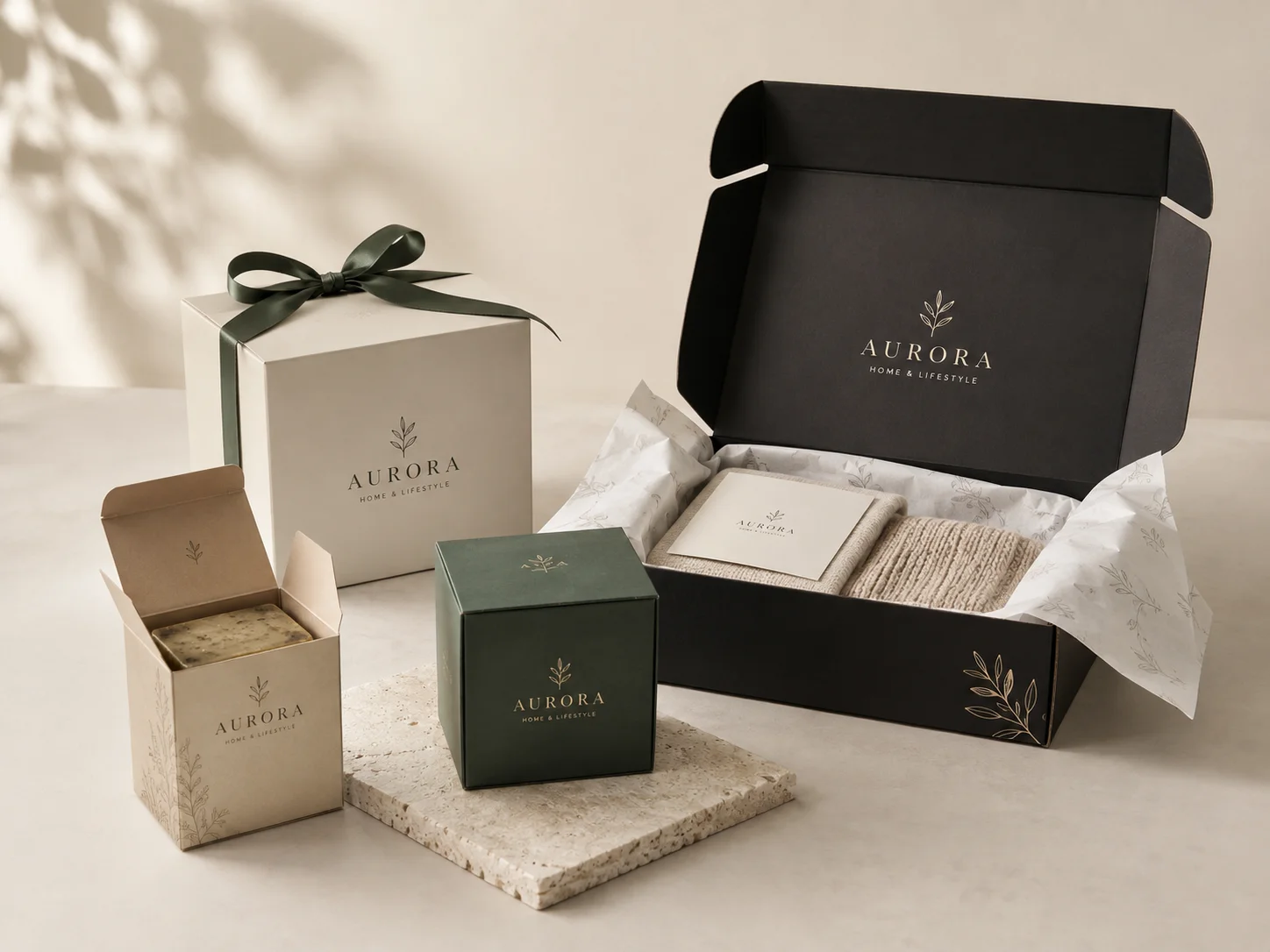
Standard gift and product boxes can work well when the dimensions are already close to what the product needs. This keeps the first decision focused on fit and presentation rather than engineering a new structure too early.
A custom box supplier should be able to explain whether an existing format can work with artwork, inserts, or a minor size adjustment.
Keep Changeable Information Flexible
New products often go through copy, SKU, barcode, ingredient, or promotional changes. Printing every detail directly on the box can make even a small revision costly.
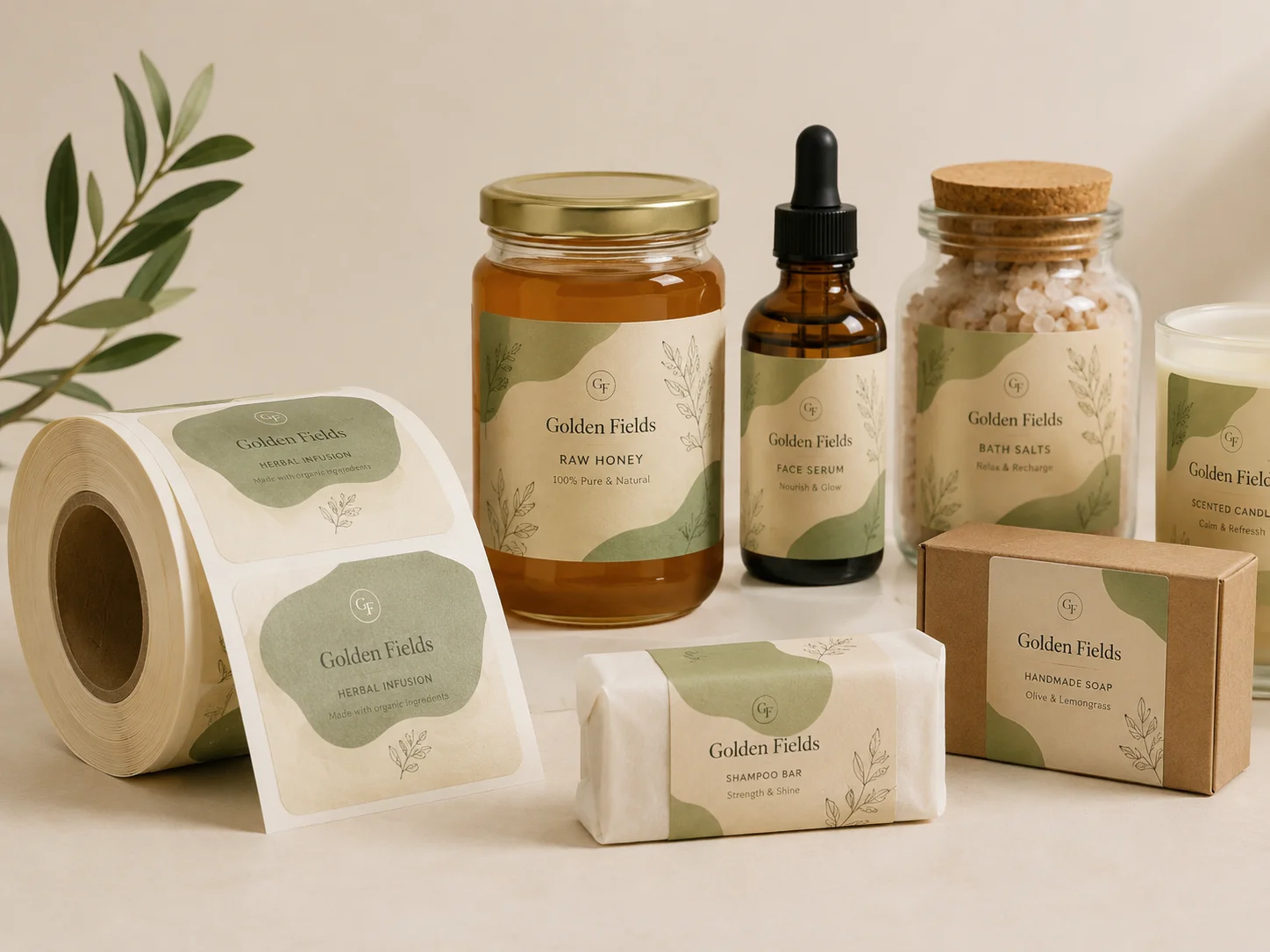
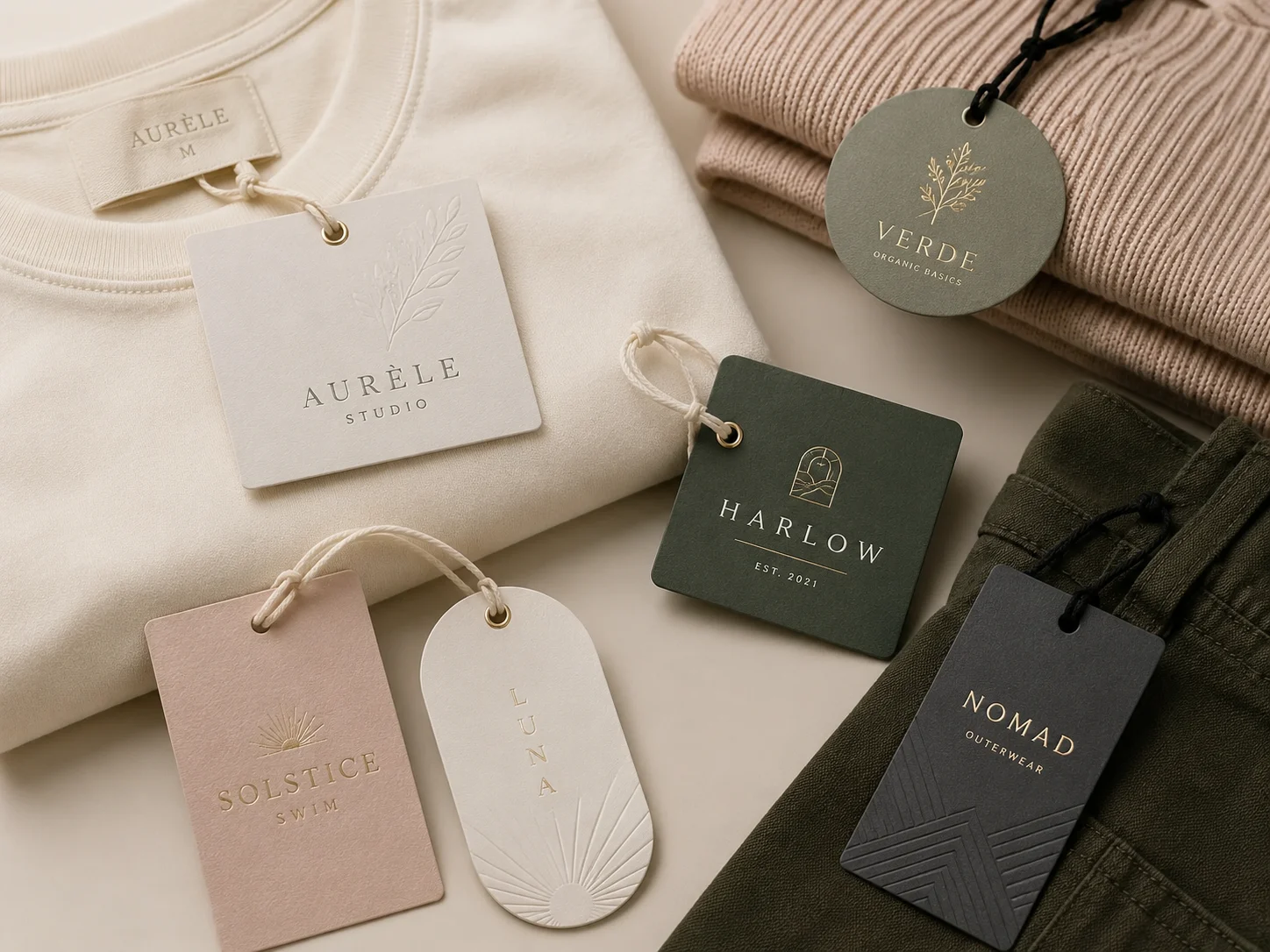
Keep permanent brand elements on the carton and place variable information on product labels, sleeves, or inserts where appropriate. This works especially well when several product versions share the same box size.
Standard vs. Fully Custom Packaging
Factor | Standard Structure With Branding | Fully Custom Structure |
Best fit | New or changing products | Proven products with stable specifications |
Setup | Usually simpler | May require structural development |
Tooling | Often avoidable | May require new dies or tooling |
Artwork changes | Easier to manage | Can affect more finished inventory |
Flexibility | High with labels, sleeves, or inserts | Built into the box itself |
Main advantage | Lower commitment | Exact fit and structural control |
Neither route is automatically better. Custom printed boxes become more attractive when dimensions, artwork, and demand are stable. Earlier on, a standard structure can reduce production risk.
What Raises Packaging MOQs?

MOQ is usually shaped by the work a supplier must do before and during production. Understanding those cost drivers makes it easier to remove expensive features without weakening the pack.
New Tooling
A unique window, locking tab, cutout, insert, or closure can require a new cutting die or structural file. Tooling makes sense when it improves protection, assembly, or shelf performance.
Before approving a new structure, compare it with available custom boxes and ask whether an existing size could work.
Specialty Materials
Common paperboard or corrugated grades may be easier to source in smaller quantities. Specialty stocks, films, textures, or unusual thicknesses can carry their own purchasing minimums.
Choose material for the product's weight, handling, storage, and sales environment rather than appearance alone.
Printing and Finishing
Digital printing can suit shorter runs because it may involve less front-loaded setup. The best method still depends on quantity, substrate, color, and finish.
Foil, spot gloss, soft-touch coatings, windows, embossing, inside printing, and glued inserts add production stages. Packaging design is stronger when each finish improves recognition, durability, or the opening experience.
For projects where packaging is only one part of a larger printed brand system, reviewing available printing products can also help keep cards, inserts, labels, and other printed pieces visually consistent.
Multiple Versions
A 1,000-piece order split across five designs can behave more like five smaller jobs. Separate files, proofs, setup, and quality checks may still be required.
If several SKUs share the same dimensions, a common carton with variable labels can make low MOQ packaging easier to manage.
Supplier Production Rules
Supplier equipment, sheet sizes, finishing partners, and production schedules can also change the minimum.
Ask what is driving the minimum. Changing the board, finish, or size can sometimes have more impact than negotiating quantity. An experienced custom packaging company should be able to explain those tradeoffs clearly.
Low-MOQ Packaging Checklist
Before requesting a quote, confirm:
Final packed dimensions and weight
Preferred box style and one acceptable standard alternative
Quantity based on realistic sales
Number of artwork versions
Board, paper, or corrugated requirement
Print coverage and color requirements
Required coatings or finishes
Inserts, windows, or special closures
Proof or sample requirement
Delivery ZIP code and required date
Expected reorder frequency
Whether tooling and setup are reused on repeat orders
A clear brief helps custom packaging suppliers quote the same job and gives the production team enough detail to recommend a practical route.
When a physical mockup or specialty printed component is needed before committing to a converted box, print and trim flat sheets can also be useful for prototyping or short-run applications.
How to Compare Packaging Quotes

A quote should be read as a total operating cost, not a unit-price contest.
Compare the Full Cost
Suppose 1,000 cartons cost $1.25 each, or $1,250, while 250 cost $2.30 each, or $575. The larger order has the lower unit price, but it requires $675 more cash before shipping, storage, or setup charges are considered.
Cost | What to Check |
Printing | Quantity, material, ink coverage, and finish |
Setup | File, machine, plate, or press charges |
Tooling | Cutting dies or structural setup |
Proofing | Digital proof, blank sample, or production proof |
Shipping | Freight, parcel charges, and surcharges |
Storage | Space required for cartons and finished inventory |
Reorders | Tooling reuse and repeat setup charges |
This is why a smaller run can make financial sense even when its unit price is higher. Good packaging solutions should fit cash flow, storage, demand, and the likelihood of change.
Compare the Same Specification
Send the same size, material, finish, artwork count, shipping ZIP code, and delivery date to every supplier. If one quote includes freight and another does not, bring both to the same basis before comparing them.
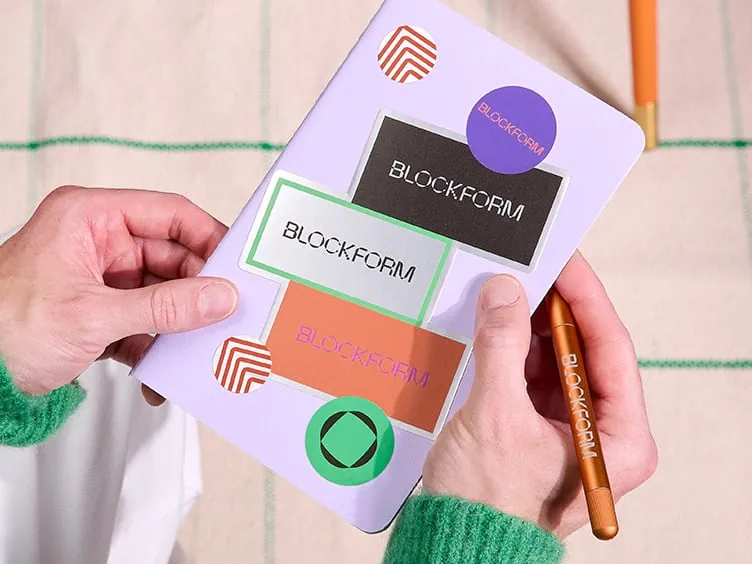
If the box stays the same while branding varies, stickers and labels can be compared with printing a separate carton for every SKU. Also check whether tooling or setup returns on the second order.
When to Increase the Order Quantity?
There is no single quantity at which a short run should move to bulk production. The decision becomes clearer once the pack is stable and sales data is reliable.
Set a Reorder Point
A simple starting formula is:
Reorder point = average weekly usage × supplier lead time in weeks + safety stock
If average usage is 45 boxes a week and normal lead time is four weeks, expected lead-time demand is about 180 boxes before safety stock.
That figure is only an example. The right reorder point depends on actual demand, seasonality, supplier lead time, delivery reliability, storage capacity, and the safety stock the business needs.
Scale When the Pack Is Stable
After several consistent reorders, ask custom packaging suppliers to price the next quantity tiers. For custom packaging, the right time to scale is when the savings justify the added cash commitment and storage requirement.
At this stage, custom printed boxes may become more economical because the risk of a near-term redesign is lower.
If the structure remains standard but the closure or branding needs more impact, packaging and box seals can provide another option without requiring a different carton for each product variation.
Conclusion
Before requesting quotes, finalize the packed dimensions, choose one preferred structure and one acceptable alternative, and estimate how many units the business is likely to use during the supplier's lead time. Send that same brief to two or three suppliers and compare the full landed cost.
That comparison will show whether the next step should be a standard box with flexible branding, a short run of printed cartons, or a fully custom structure.
Once the specification is clear, review BizCard for packaging, labels, stickers, and related print options that match the current quantity while leaving room to scale later.


