





A completed order should not feel like the end of the customer relationship. The buyer has already trusted the business once. A good post-purchase message can reinforce that decision and make the next interaction easier.
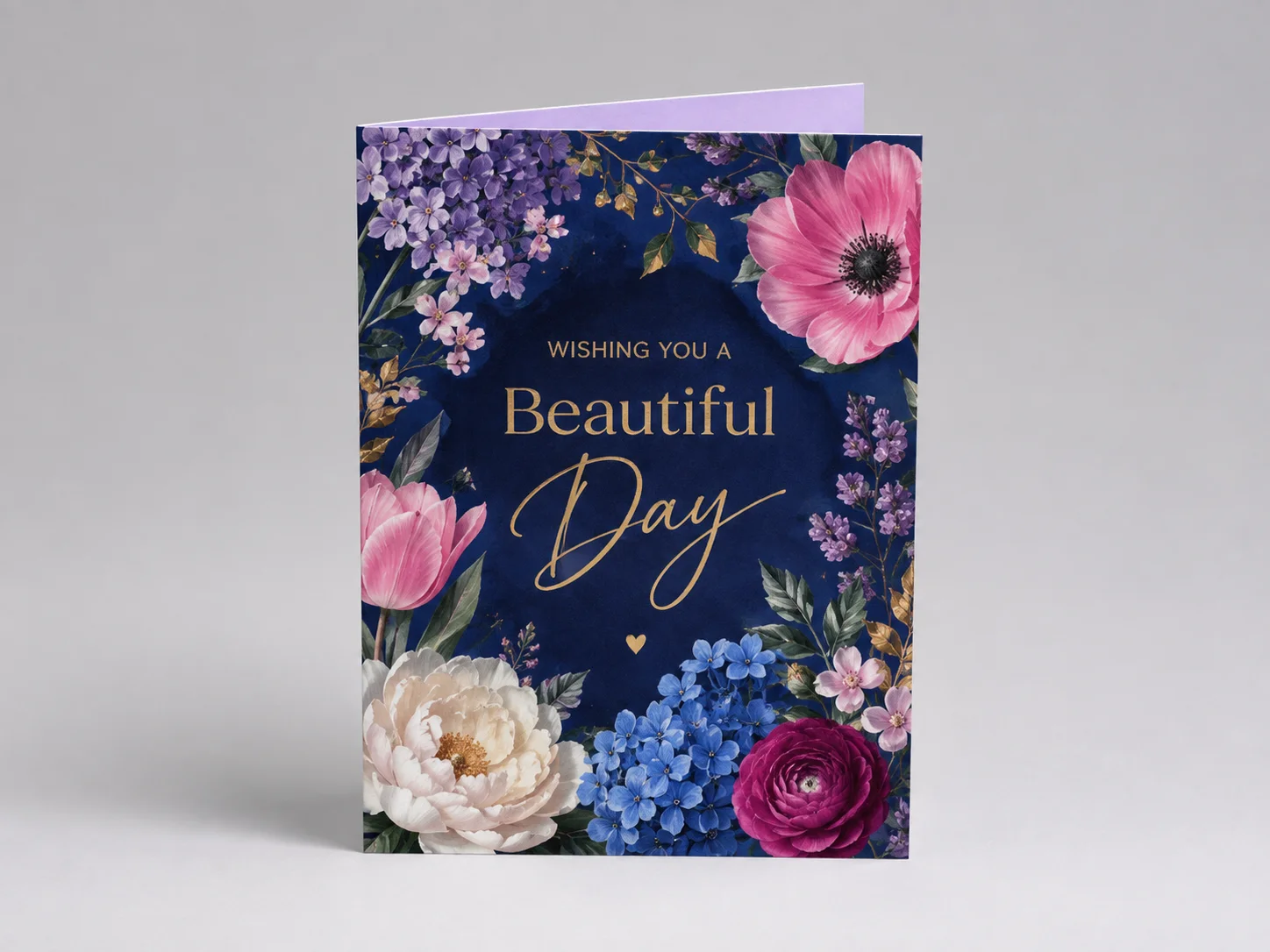
That is where thank you cards earn their place. The card should recognize the purchase first, provide something useful second, and only then point toward another action. When the sales message takes over, the gesture loses its value.
Thank You Cards Can Lead Naturally to the Next Purchase
The strongest thank you cards for small business use are built around what the buyer just purchased. A skincare order may need care guidance. A salon visit may need a suggested return date. A coffee order may need an easy reorder path.
This makes customer appreciation useful instead of ceremonial. The card helps the customer before it asks for another sale. For thank you cards for customers, one next step is usually enough. That could be a reorder link, a booking prompt, a loyalty invitation, or a referral benefit.
Purchase-Based Follow-Up
The next action should match the product or service. A candle brand can add burn-care instructions before mentioning another scent. A pet groomer can print the recommended return window. A photographer can guide clients toward additional prints after the original order is delivered.
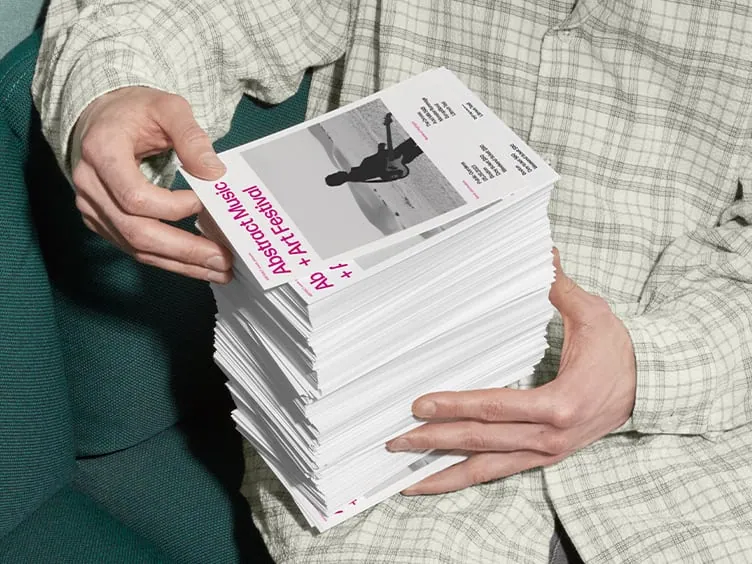
These thank you card ideas feel relevant because the follow-up grows out of the purchase. When the message needs room for useful information and a clear call to action, custom postcards provide enough space without turning the insert into a full promotional flyer.
Match the Message to the Customer Relationship

Business thank you cards should not treat every buyer the same. A first order, a second order, and a long-term customer relationship each call for different wording.
First-Order Reassurance
A new buyer may still be deciding how they feel about the purchase. Use the card to explain care, support, returns, setup, or the easiest way to get help.
A second-order offer can still appear, but it should remain secondary. Customer thank you cards at this stage should feel welcoming rather than promotional.
Returning-Customer Recognition
Repeat customers already know the basics. Sending the same welcome message again wastes the opportunity to recognize that history. A returning buyer may respond better to a loyalty benefit, early access, or a simple thank-you for coming back.
If purchases happen frequently, a customer loyalty card may also fit naturally. This kind of recognition supports customer retention because the message changes with the relationship.
Build an Offer Around the Buying Cycle

A card does not need a discount to encourage repeat purchases. A reorder reminder, small loyalty credit, referral benefit, free add-on, or early-access offer may fit the customer better.
Offer Timing
The redemption window should reflect how often people realistically buy. Coffee may be reordered within weeks. Home maintenance may happen months later. Giving both customers the same short deadline creates urgency that does not match their needs.
For frequent-visit businesses card formats can support loyalty card printing when the main job is tracking visits, stamps, or a simple reward.
Sales Attribution
QR scans can show interest, but the sale matters more. Use a campaign code, booking link, or dedicated landing page. Track redeemed orders, appointments, second purchases, and the time between orders.
Printed thank you cards become more useful when the business can see which message produces real action instead of only traffic.
Choose a Print Format That Supports the Message

The physical card affects how people use it. Gloss can make photography look stronger, while an uncoated surface is easier to sign by hand. Thank you cards printing should begin with the job the card needs to do, not with the finish that looks best on a screen.
Writable Finishes
A handwritten name or short note can make customer thank-you cards feel more personal. Leave enough open space for staff to write comfortably and choose a surface that accepts ink cleanly.
This works especially well for makers, boutiques, service providers, and higher-value orders where a completely generic insert may feel out of place.
QR Code Testing
Test every QR code at the final printed size. A code that scans perfectly from a large monitor preview may be less reliable after the design is reduced. The destination also needs to match the promise. A reorder message should open a reorder page. A booking message should open scheduling.
Before committing to bulk thank you cards, businesses unsure about paper weight or finish can compare physical options with a free sample pack.
Print-Run Planning
Large quantities can lower unit cost, but outdated cards create their own cost. Large print runs work best when the message, URL, branding, and offer will remain valid long enough to use the full run. The same principle applies when comparing thank you cards wholesale options.
Order around realistic usage, not only the lowest price per piece. A smaller first run also gives the business room to test the message before scaling it.
Keep Fulfillment and Follow-Up Connected

A good card can still fail if the wrong customer receives it or the landing page does not match the printed promise.
Fulfillment Control
If first-time buyers and returning customers receive different versions, make the packing rule simple. Order tags, packing notes, or clearly separated card stacks can prevent mix-ups.
If business thank you cards promise a reorder benefit, the linked page should show the same benefit. If thank you cards for customers mention a reward, staff should know how it works.
Loyalty Program Fit
A customer loyalty card is most useful when customers have a realistic chance to earn the reward. Coffee shops, salons, cafés, and other frequent-visit businesses are natural examples.
Loyalty card printing is less useful when purchases happen years apart. In those cases, service reminders, referrals, or useful post-purchase information may do more for customer retention.
Practical Examples by Business Type
Good thank-you card ideas vary depending on the reason a customer is likely to return. These examples show why printed thank you cards should not all use the same template. The next useful step depends on the purchase.
For ecommerce, add care information and an easy reorder path for products that run out or wear out.
For salons and spas, print the suggested return interval and a direct booking route.
For restaurants and cafés, keep the return benefit simple enough to understand at a glance.
For home-service businesses, include the completed service and the next maintenance window.
For ecommerce teams using bulk thank you cards, keep the core message evergreen and place short-term promotions on a separate insert.
Conclusion
A useful post-purchase card should continue the relationship without forcing another sale. Match the message to the customer stage, give the card one clear purpose, and make the offer fit the normal buying cycle.
Test the physical piece, measure repeat purchases, and improve the next run using real customer response.
When the message and format are ready, BizCard can turn the plan into a polished printed piece built for the next customer touchpoint.


