


A printed business card is still the simplest way to stay on someone’s mind after a first meeting. Most people save new contacts on their phones and never look at them again.
A card tucked into a wallet or propped against a monitor doesn’t disappear like that. It’s one reason real estate agents and contractors are still ordering cards in 2026.
Printed Business Card Value For Modern Networking
Phones took over the address book years ago. Now the card’s job is to jog people’s memory while they decide who to call back.
Trade Show And Event Networking
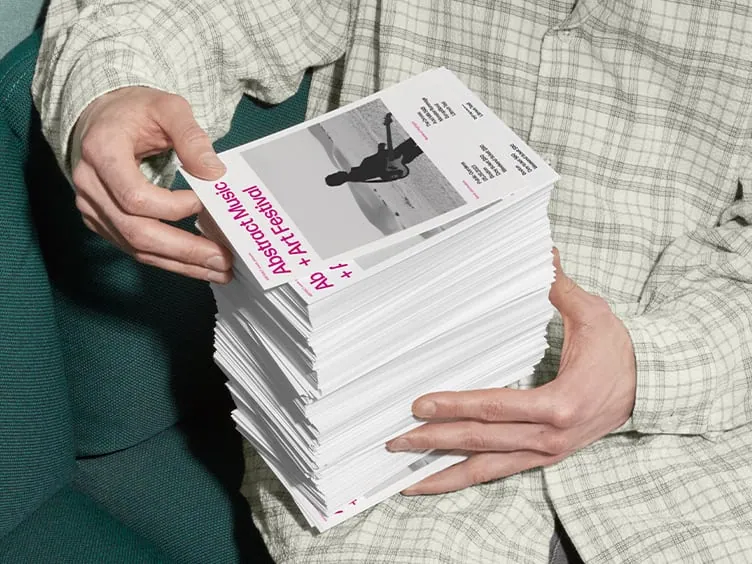
Visitors stop for two minutes and move on. Nobody wants to stand in a crowded aisle typing an email address with one thumb. A printed business card changes hands in seconds (and it doesn’t care if the convention center Wi-Fi is down).
Longer Brand Recall
A saved contact only shows up when someone searches for it. Printed business cards don’t wait to be searched for. They get clipped to quotes or tossed in drawers, then turn up months later. Every time someone spots yours, you get a reminder you didn’t pay for. Over time, the heft and feel of the card become part of your tangible brand identity.
Privacy-Friendly Contact Sharing
Many digital business card apps store your details on their own servers, and not everyone likes that. Physical business cards sidestep that worry. The person you hand one to get only what’s printed, with nothing to download.
QR Codes And NFC On A Printed Business Card

None of this means you have to pick paper over digital. QR code business cards can open your booking page or save your details to someone’s phone. NFC chips do the same with a tap. The card earns the first impression, and the link takes the relationship online.
There’s a catch, though. Send people to a busy homepage and many simply leave, which is where most QR business cards lose the second step.
QR Code Size And Placement
A code on a printed business card gets one shot. If it doesn’t scan right away, most people won’t try again. Check these before the artwork goes to print.
Size it at 0.8 inch (2 cm) or bigger.
Leave a blank border at least four of the code’s little squares wide on every side. The QR standard, ISO/IEC 18004, calls this the quiet zone, and text crammed into it is a common reason scans fail.
Stick with dark squares on a light background. Reversed codes look sharp, but some scanner apps can’t read them.
Go with a dynamic code so you can change the link later without a reprint.
Put a few words under it, like “Scan to book a free consultation.”
Try it on an iPhone and an Android phone before you sign off.
Any decent provider of QR code business card printing will send a digital proof first. That’s when to run these tests.
Choosing A Printed Business Card Finish

Next come the paper and finish. Card thickness is measured in points, and one point is a thousandth of an inch. Everyday cards usually run 14pt or 16pt. Jump to 32pt and you’ve doubled the thickness of a 16pt card, which puts it close to a credit card.
Pin down thickness and finish before you compare business cards printing quotes, or you’ll be comparing different products. Clients who care about sustainability can ask for recycled paper.
Glossy Cards For Bold Color
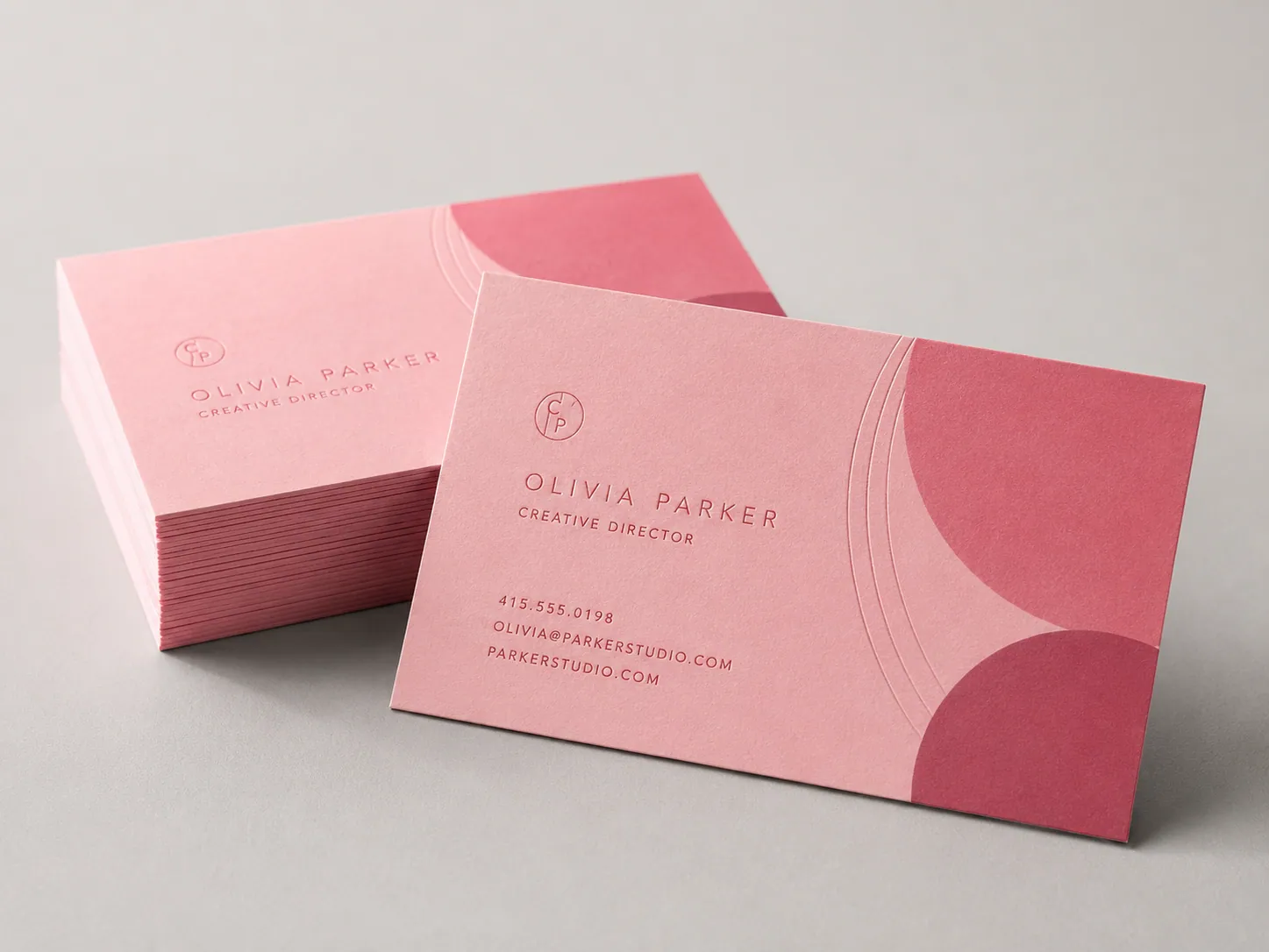
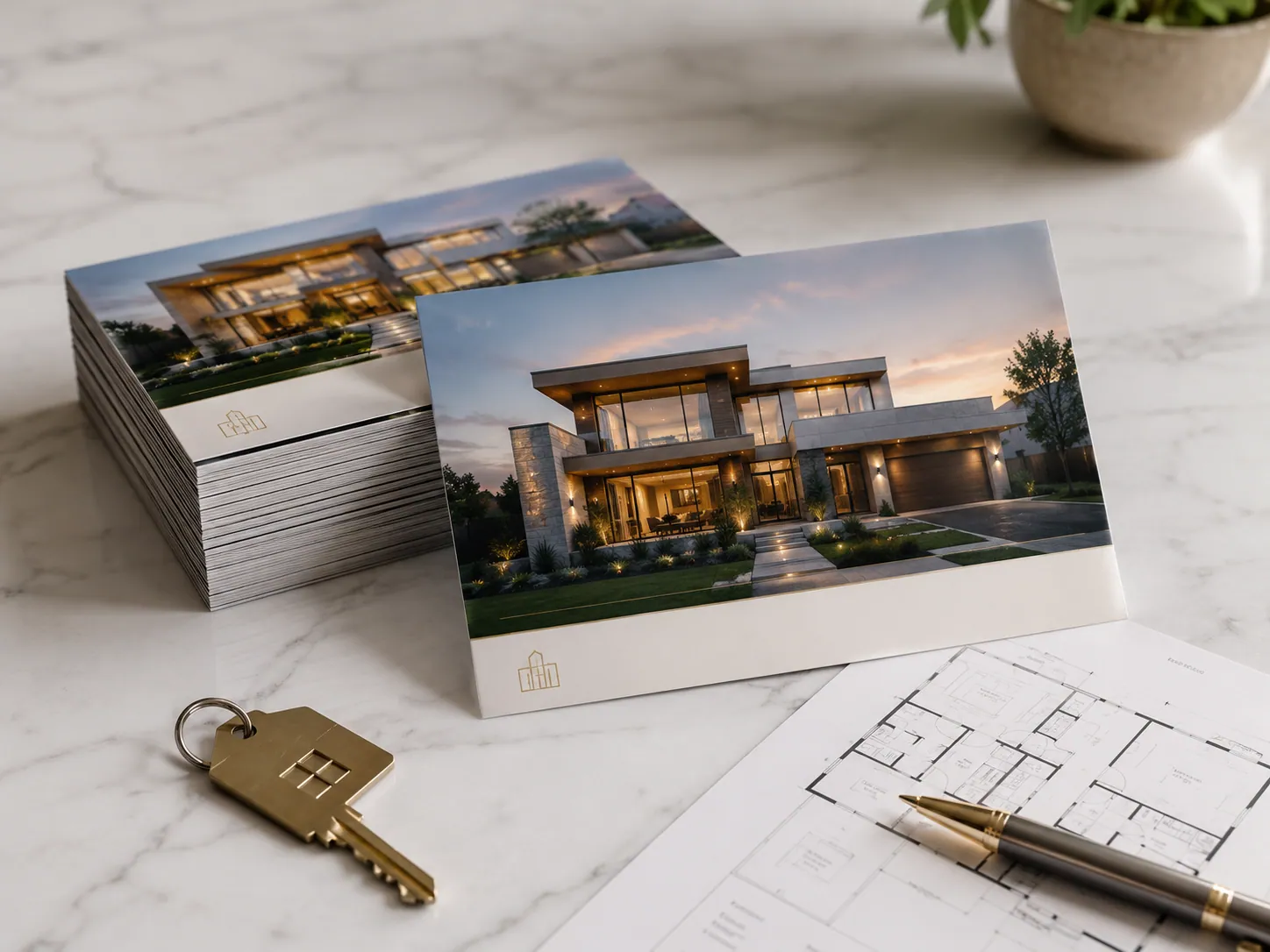
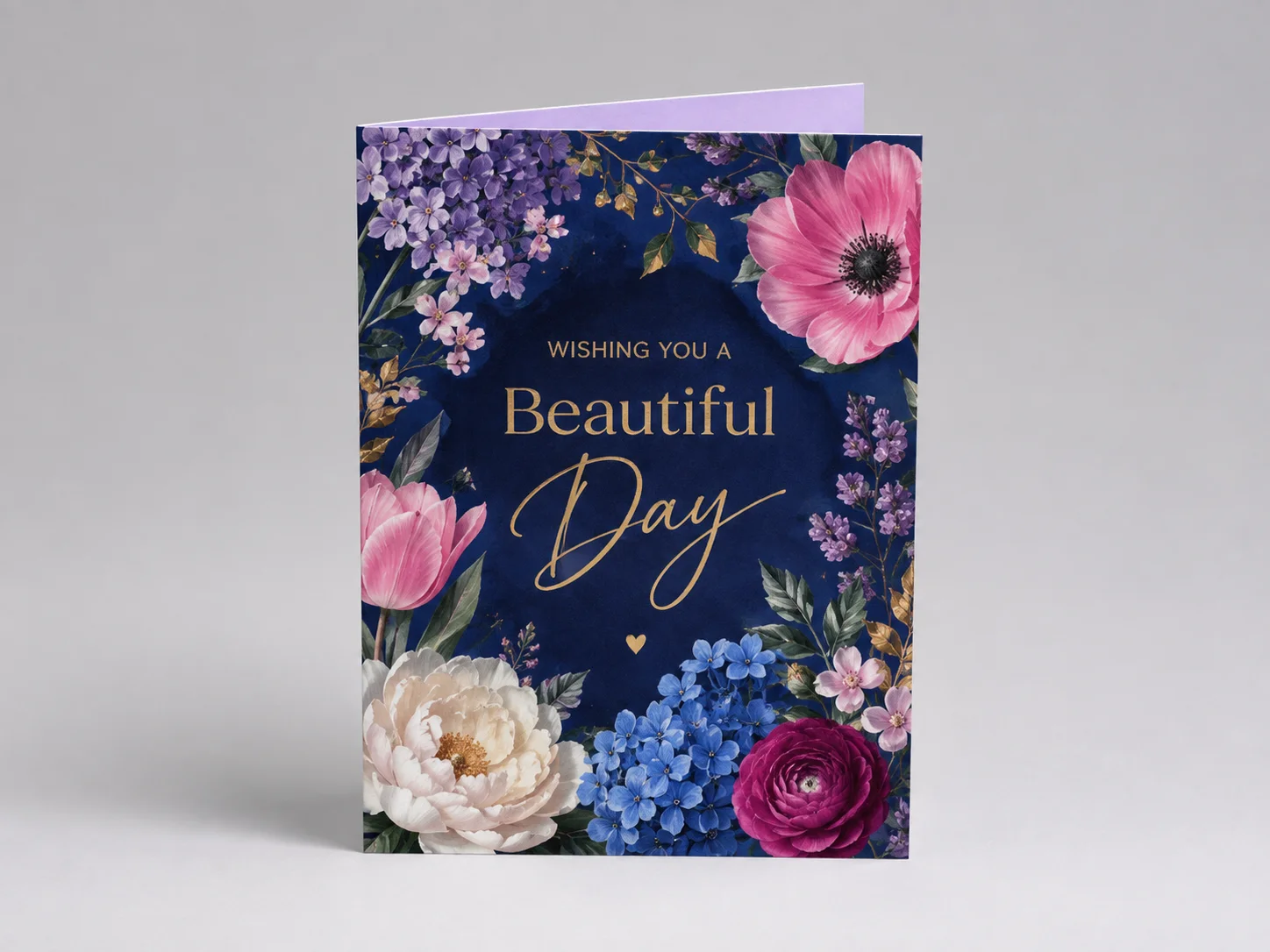
Glossy business cards make photos and bright brand colors pop, so you’ll see them a lot with real estate agents and salons. Their weak spot is ink. Ballpoint ink sits on top of the coating and smudges, which is a problem if you write appointment times on a printed business card.
In that case, leave the back uncoated or matte. When you’re talking to a glossy business cards printing service, ask about raised spot gloss, which puts shine only on the logo. Coatings are hard to judge on a screen, so a free sample pack is worth the shipping cost.
Laminated Cards For Field Work
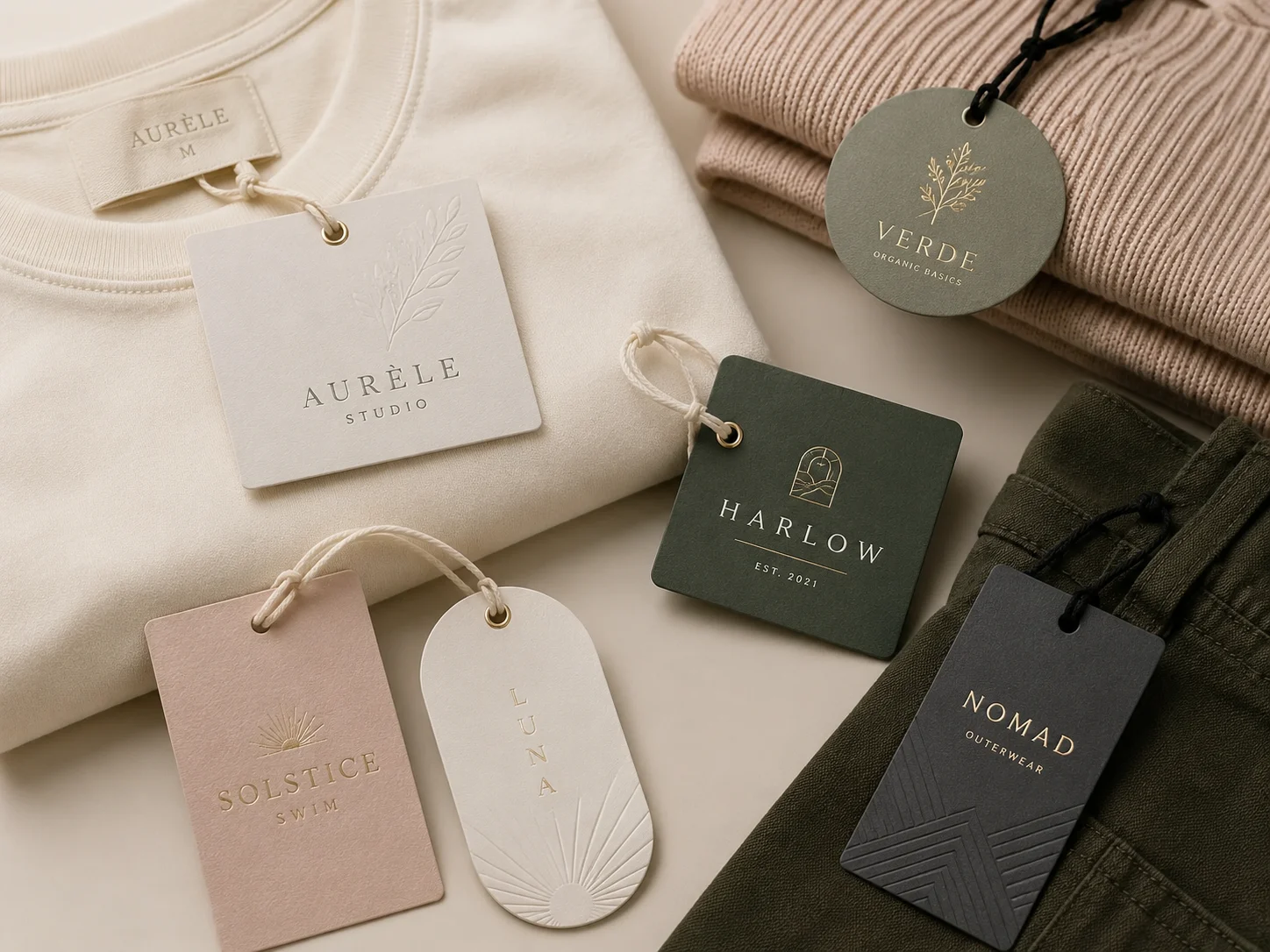
Job sites are rough on paper. Contractors and landscapers hand out cards in dust, drizzle, and the occasional muddy truck cab. Laminated business cards have a thin film over the print that resists scuffs and fingerprints. A homeowner might tape one inside a kitchen cabinet, and it’ll still look clean when the water heater quits two winters later.
Foil Accents For Premium Brands
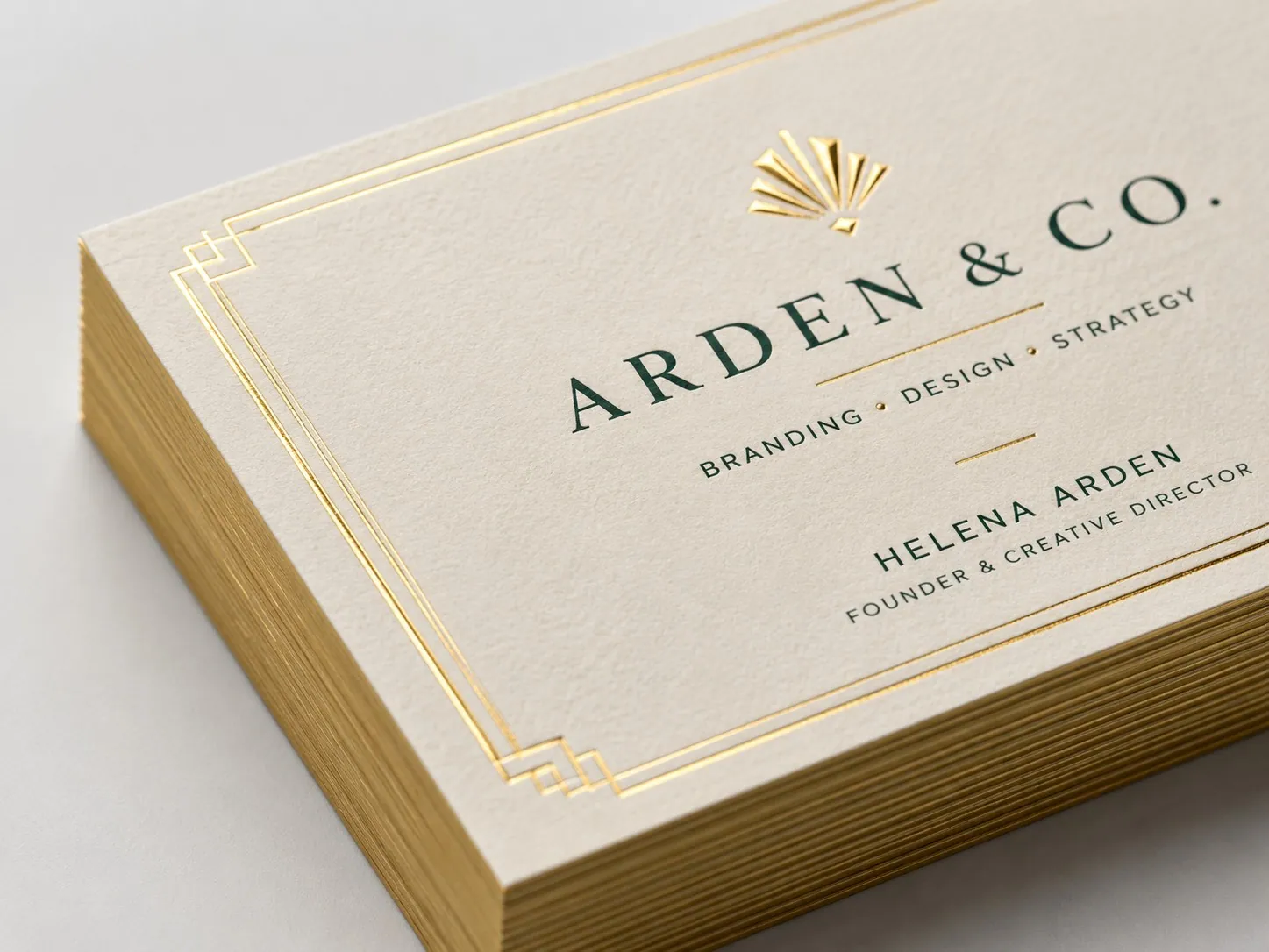
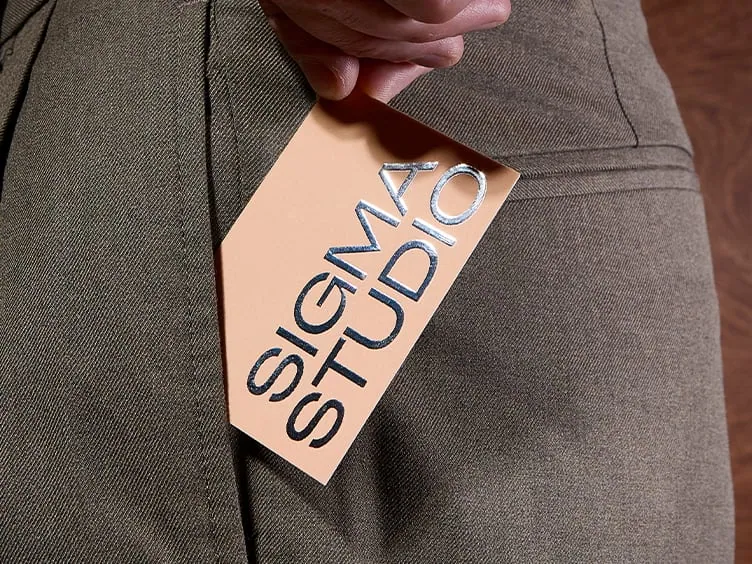
Lawyers and financial advisors live on trust, and their clients notice the small stuff. Gold or silver foil on heavy stock looks careful and established, and a soft touch coating adds a suede-like feel. Go easy on it, though. Most well-designed luxury business cards keep foil to one element, usually the logo, and leave the rest clean. A good luxury business card printing service will also steer you away from foil on hairline fonts, which tend to fill in.
Printed Business Card Design Basics

A fancy finish can’t save a cluttered card. Steve Jobs said it well in an interview with The New York Times Magazine.
“Design is not just what it looks like and feels like. Design is how it works.”
For a business card, “how it works” comes down to whether a stranger can find your name and number fast. Custom business cards that follow a handful of print rules come out clean.
Keep text inside the safe area (3.25 by 1.75 inches on a standard card).
Run background color out into the bleed (3.75 by 2.25 inches) so trimming doesn’t leave a white edge.
Don’t go below 8-point type.
Use the front for contact details and the back for the QR code or an offer.
Read every digit of your phone number on the proof, then read it again.
No designer on hand? Start from one of the business card templates and swap in your details.
Business Card Etiquette And Follow-Up
Physical business cards don’t do much sitting in a box. Keep 15 to 20 in a hard case so the corners don’t get dog-eared. Wait until a conversation actually goes somewhere before offering one. Hand it over face up, turned toward them. That night, jot on each card you collected where you met and what you talked about, and use that detail in a follow-up email within 24 hours.
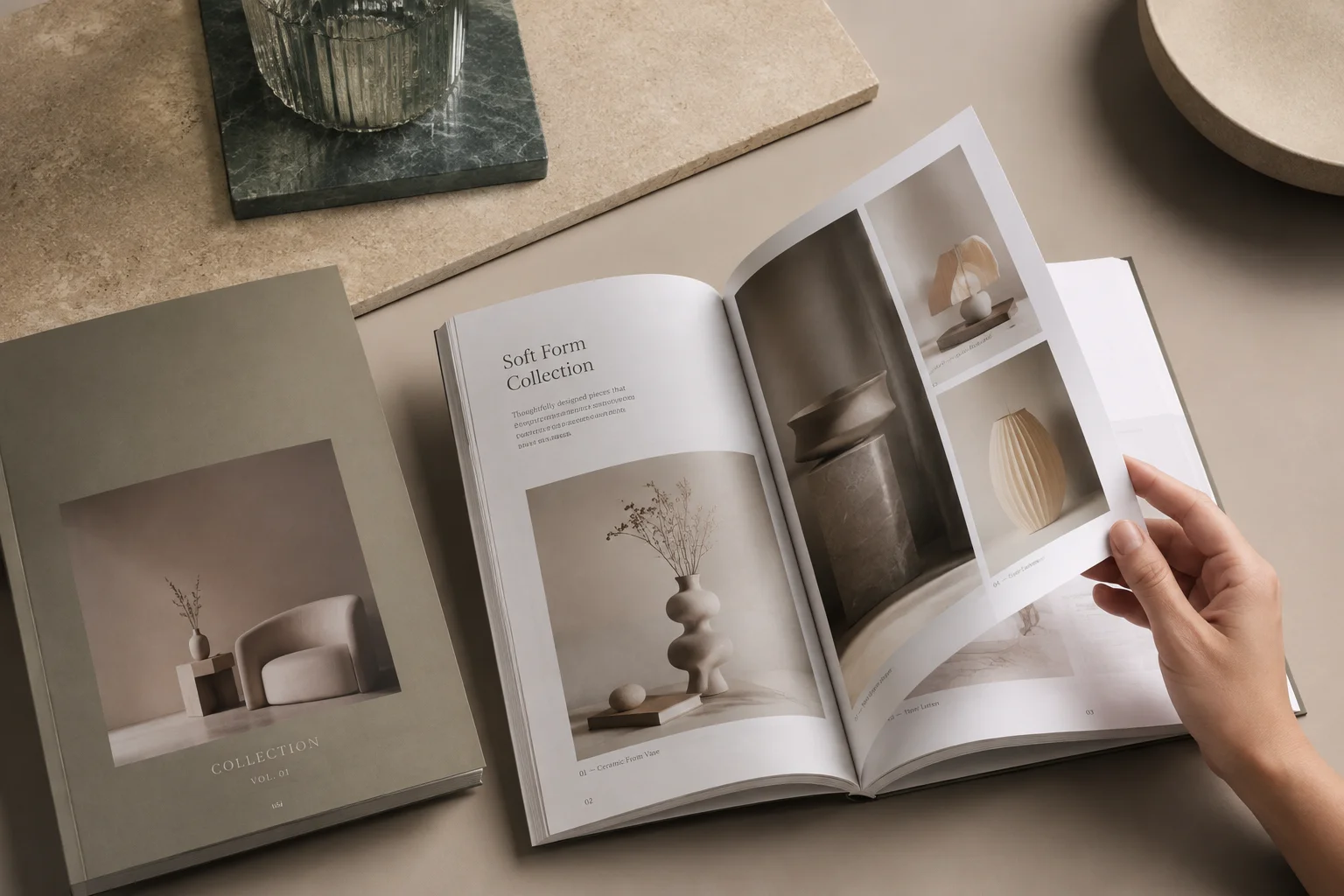
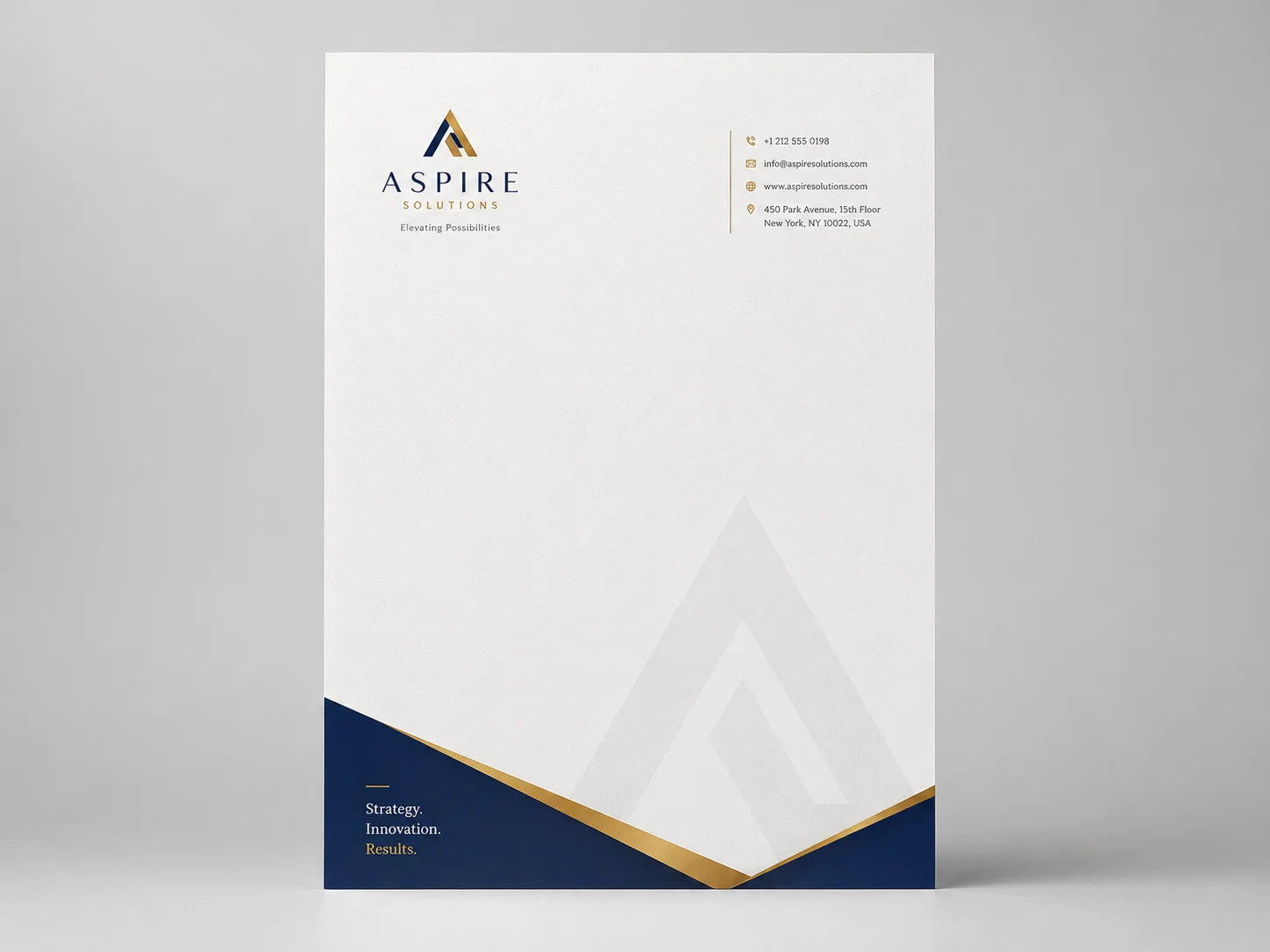
Your printed business card also does more when it matches everything else clients see from you. When your letterhead and thank-you cards share its colors and fonts, they form one physical branding system behind the same tangible brand identity.
Bottom Lines
For a small business, a good card is one of the few pieces of marketing people actually hang on to. Give yours a clear QR destination and a finish that fits your trade, like laminated stock for job sites or luxury business cards with foil.
BizCard lets you start from a template or upload your own artwork, and nothing prints until you’ve approved a digital proof. Order your custom business cards today and bring a full case to your next event.


