







A retail package must provide more than just a professional appearance. It must also provide quick identification of the product, protection of its contents, compatibility with the store's fixtures, proper scanning capability, and all necessary product information.
Packaging Must Work Before It Looks Finished
One starts with the product in order to have a useful pack. After measuring the item, there has to be room for assembly, a closure, any inserts or wrap for protection. The result should have a footprint that is right for the display tray, counter, peg, or shelf.
When a brand is weighing its custom packaging, the first consideration ought to be the environment in which it will be sold, not the finish. A small hanging piece might call for a tag or card of some sort; something delicate would require a sturdier construction.
Such a choice puts a retail packaging service in a position to put some order to the plan as far as dimensions and panel orientation go, as well as the print area, prior to any artwork being put in stone.
Front Panel Hierarchy
The top of the packaging should instantly inform consumers what the product is, who manufactured it, and what special detail makes someone decide to purchase this edition. Great package design offers these items levels of significance instead of having every claim struggle for attention.
The product identity should come first. The brand and a helpful clue for buying, like size, flavor, material, amount, or how it's used, should come next. This makes the product look better. Gives the packaging a clear reason to exist.
Match the Structure to the Product and Fixture

The structure sets the tone for how a pack will feel to a customer before the customer reads a word. Oversized boxes, bowed cartons and twisted bag toppers can make good product packaging look unfinished.
Materials and Fit
Packaging materials should match weight, size, fragility, and handling. When a pack is board thickness, fold strength, coating, and closure style all matter.
For products that need a retail look, gift and product boxes give a more polished start than a shipping-style carton. I still need to check the fit of the product in the box.
Custom product boxes work better when vacant space is controlled. Not enough space can make the piece feel undersized. Low quantities can cause stress folds, crush inserts, or make assembly hard.
Fixture Compatibility
Retail packaging changes with the display. Peg-hung goods need a hang area, counter items need a stable base, and shelf cartons need a front panel that stays visible next to neighbouring units.
Retail product packaging service should know where the product will be displayed before suggesting dimensions or panel layout. That choice influences the dieline hang area, base, and the amount of copy that shows.
Make Shelf Communication Fast and Clear

Hierarchy, not ornamentation, makes the shelf visible. If brand, product name, claim, number, and badges all have weight, there is no clear start for the shopper.
Product Identity Comes First
The strongest retail packaging design usually has one dominant message. In many categories, that is the product name or product type. A secondary line can explain the variant or the most useful differentiator.
Colour may help organise flavours, fragrances, sizes or models. The product brand stays the same. Therefore, shelf appeal packaging doesn’t need effects. It needs the contrast, in the right place. A matte surface, a touch of metallic or a bold colour should support the hierarchy, not clash with it.
Review the Pack Under Store Lighting
Printed retail packaging should be checked under lighting that matches real store conditions. Gloss can create glare, dark solids may reveal edge wear, and fine text might become harder to read after folding or bending. This check improves the product presentation because it shows what the customer will see on the shelf.
Plan Barcodes and Required Copy Before Final Artwork

Operational information needs defined space from the start. Barcodes, net contents, warnings, instructions, origin statements, and required copy should not be squeezed into leftover areas.
Barcode Placement
GS1 US notes that barcode placement can affect scan performance. Its guidance generally places a checkout barcode in the lower-right area on the back of many packages, away from edges, with clear space around the symbol and a smooth printed surface.
A barcode across a seam, curve, or reflective region may look fine in a PDF but may still be difficult to scan on the final pack. Product packaging services should have a check of the barcode on a manufacturing scale before a run.
Compliance and Claims
U.S. labeling requirements vary by category. The Consumer Product Safety Commission notes that requirements can depend on product type, design, components, and intended age group. Other federal or state rules may also apply.
Retail product packaging should reserve compliance space early. The Federal Trade Commission also says an unqualified Made in USA claim requires the product to be all or virtually all made in the United States.
These points belong in the artwork plan before custom product boxes or labels go to print.
Build a Consistent System Across Every SKU

A package can look strong alone and still fail as part of a range. Several sizes, colors, scents, or models often appear together, so the relationship between SKUs matters.
Keep the Brand Architecture Stable
Adjust the positioning of the logo, product name, main claim, net contents, barcode, and needed information. Then identify which elements may differ from SKU to SKU.
That creates product branding without making every item identical. A consumer should be able to distinguish the family first and the individual variation second.
An established product package design also makes future releases simpler, since new items may follow an existing framework rather than constructing the pattern each time.
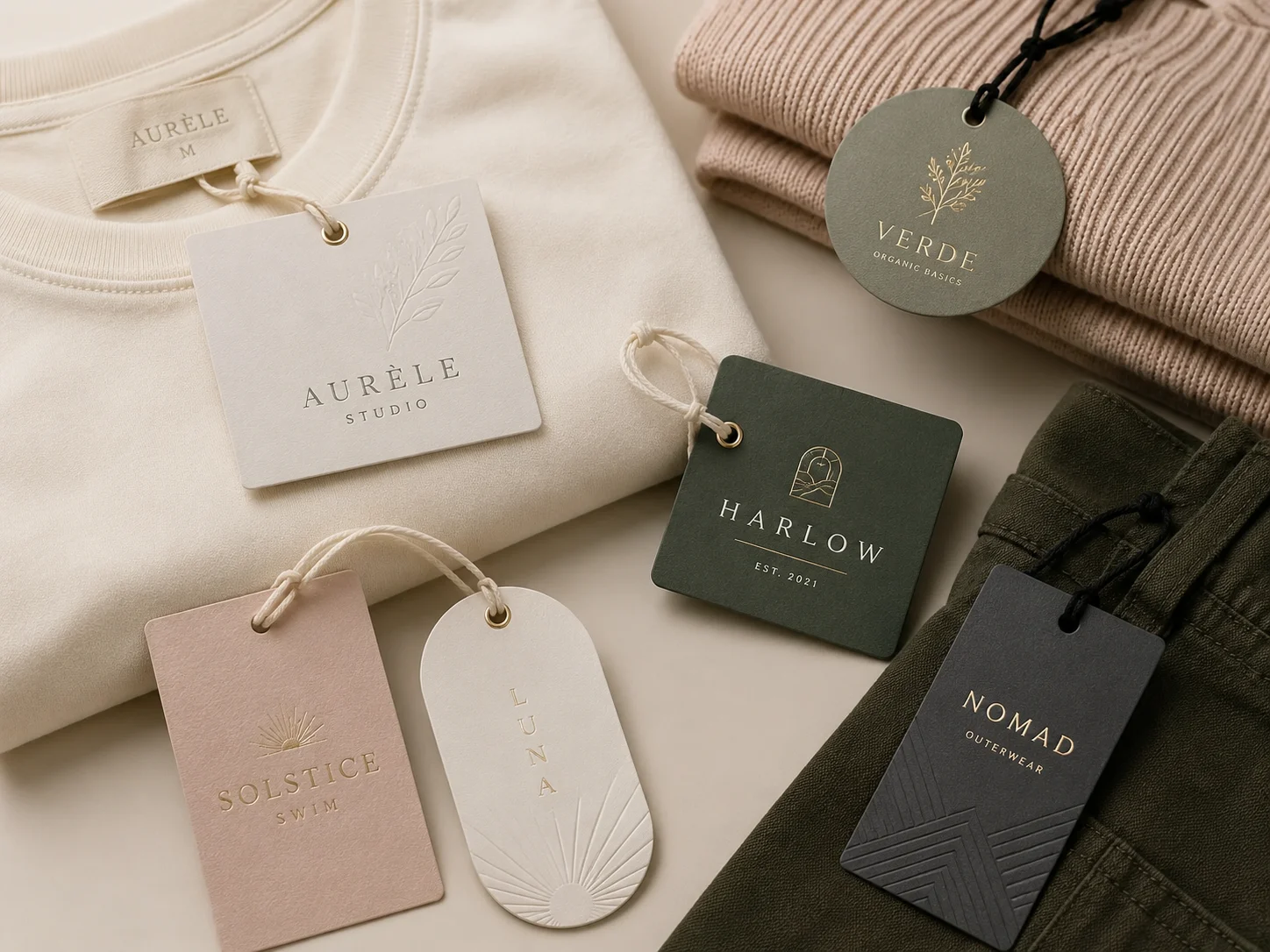
For lightweight bagged products, the header cards may include the same colours, typeface and product branding as the rest of the range yet still display the item itself.
Use Finishes With Restraint
Packaging materials and finishes should enhance the product position. One finish nicely executed on printed retail packaging frequently seems more thoughtful than numerous competing finishes.
A second retail package design evaluation should confirm that the finish still supports reading, variation identification and the overall shelf system.
Test the Finished Pack Before Full Production
A flat proof can confirm artwork, but it cannot show how the package behaves once assembled. A production-size sample exposes problems with fit, glare, folds, scanning, and shelf visibility.
Retail Proof Checklist
Place the mockup beside direct competitors, then review it from normal shopping distance and at arm's length.
Confirm the product name is easy to identify.
Check that the pack sits, stands, or hangs correctly.
Scan the barcode at final size.
Keep important copies clear of folds and closures.
Make sure the product does not move excessively inside.
Inspect high-contact edges for early wear.
Confirm required information remains readable.
Place several units together and check visual consistency.
This is where shelf appeal packaging should be judged in context. It also gives a retail packaging service a chance to solve practical issues before they become inventory problems.
Product packaging services should be evaluated on more than unit price. Dieline setup, stock choices, color handling, proofing, finishing, and production tolerances all affect the final result.
Conclusion
Good retail product packaging works because all the parts, like structure, copy, barcode positioning, materials, finishing, and display needs, have been taken care of together. This makes the product easier to recognize, simpler to put on the shelves, and more attractive when it's in the store.
Prior to moving to the next run, run a test of the pack at full size, compare it with real competitors, scan it, and check all panels, including the product. When the structure and artwork are ready to be produced, BizCard provides a variety of print-ready formats for developing a clean, finished retail display.


