







Customers rarely experience a company through one channel. Someone may discover a business online, meet a salesperson later, visit an event booth, then place an order. The company should still feel familiar.
Set the Rules Before More Materials Enter Circulation
Start with a short production guide covering approved logos, CMYK or Pantone colors, typefaces, spacing, image direction, paper choices, and finishes. Keep retired artwork away from current files.
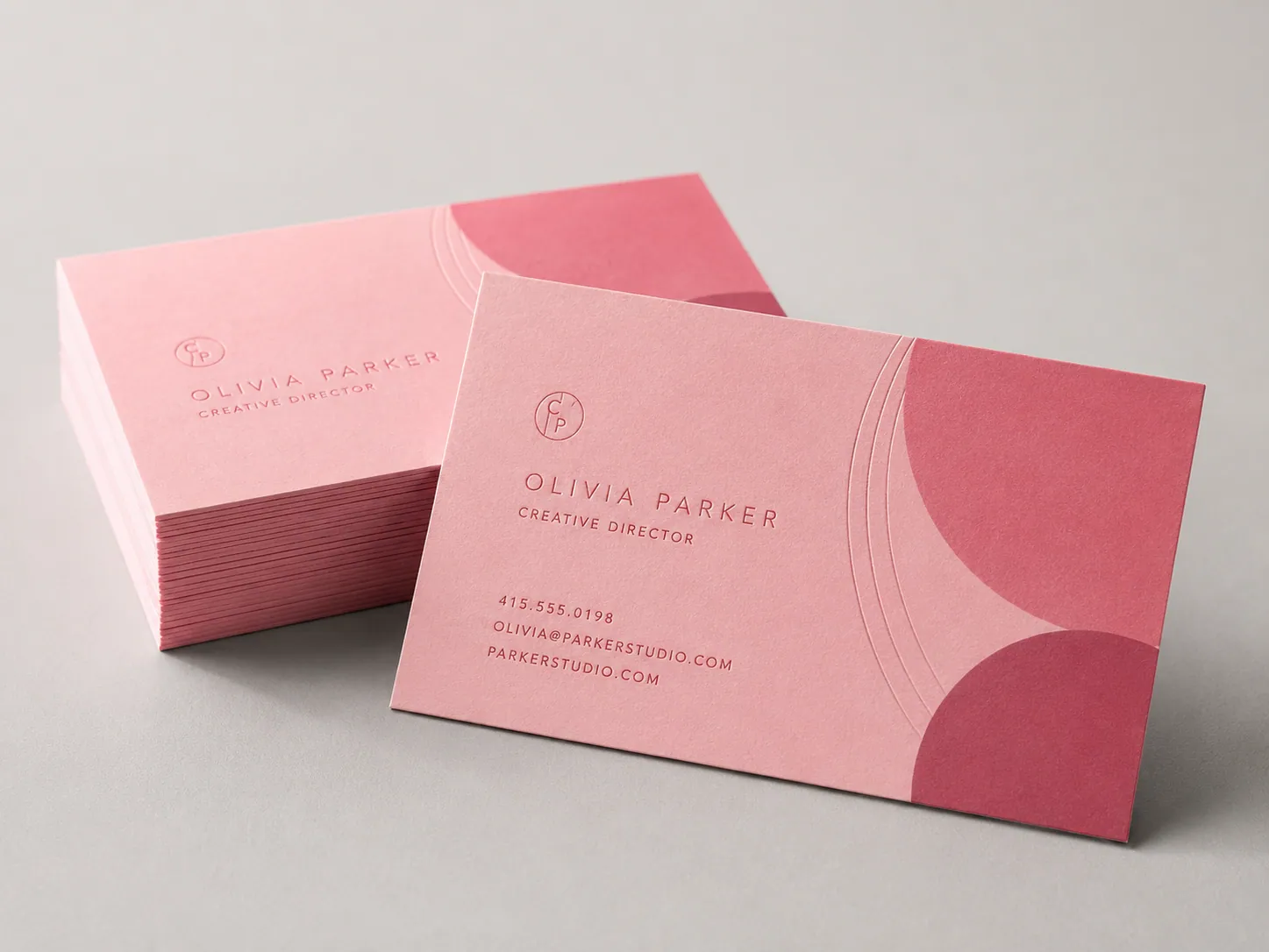
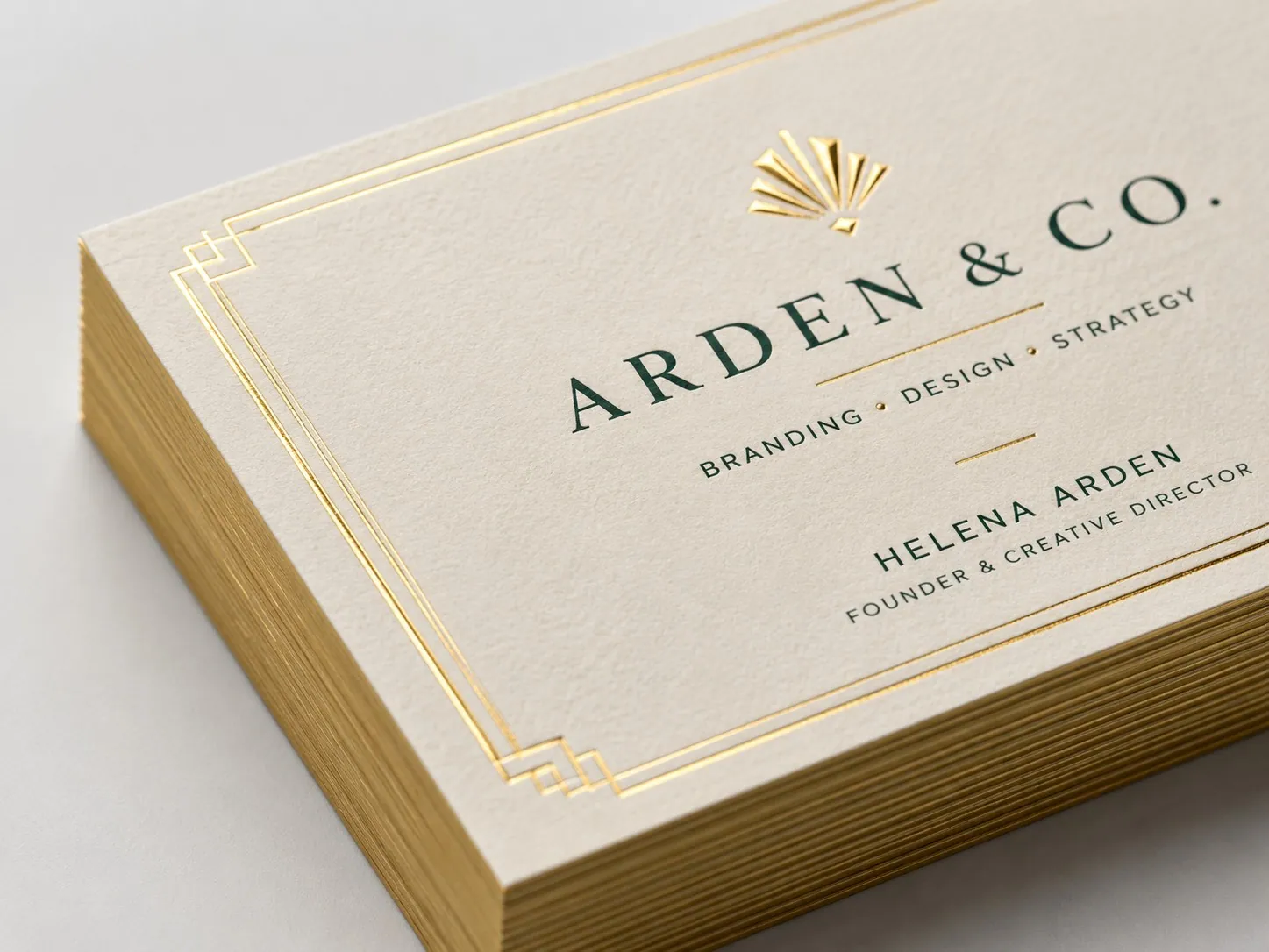
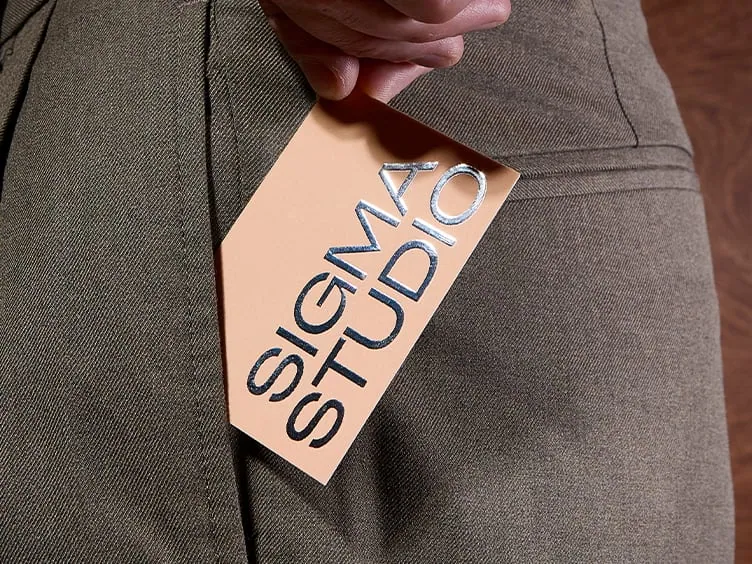
For many companies, business cards are a useful benchmark because they bring logo scale, typography, contact hierarchy, stock, and finish into one compact format. Once approved, those decisions can guide other materials.
This is where custom print branding becomes more than visual preference. It gives the team a repeatable process, while custom business printing becomes easier to check before production.
Follow the Customer Journey Instead of Building a Print List

Audit the experience from the customer’s side. Note what people see before purchase, what helps them evaluate the business, and what remains afterward.
A service company may depend on cards, proposals, and folders. A retailer may rely on window graphics, labels, bags, and inserts. An ecommerce business may have more opportunities inside the shipped order.
Good physical branding connects these brand touchpoints instead of treating every order as a separate design task. It also keeps branded print materials tied to a real purpose.
Let Each Format Do Its Own Job
Consistency does not mean copying one layout onto a label, poster, and box. Each format has a different viewing distance, surface, and job.
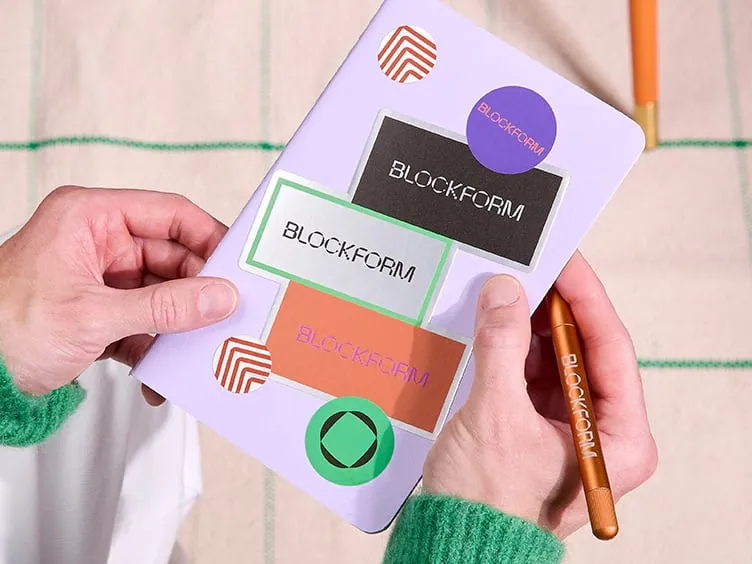
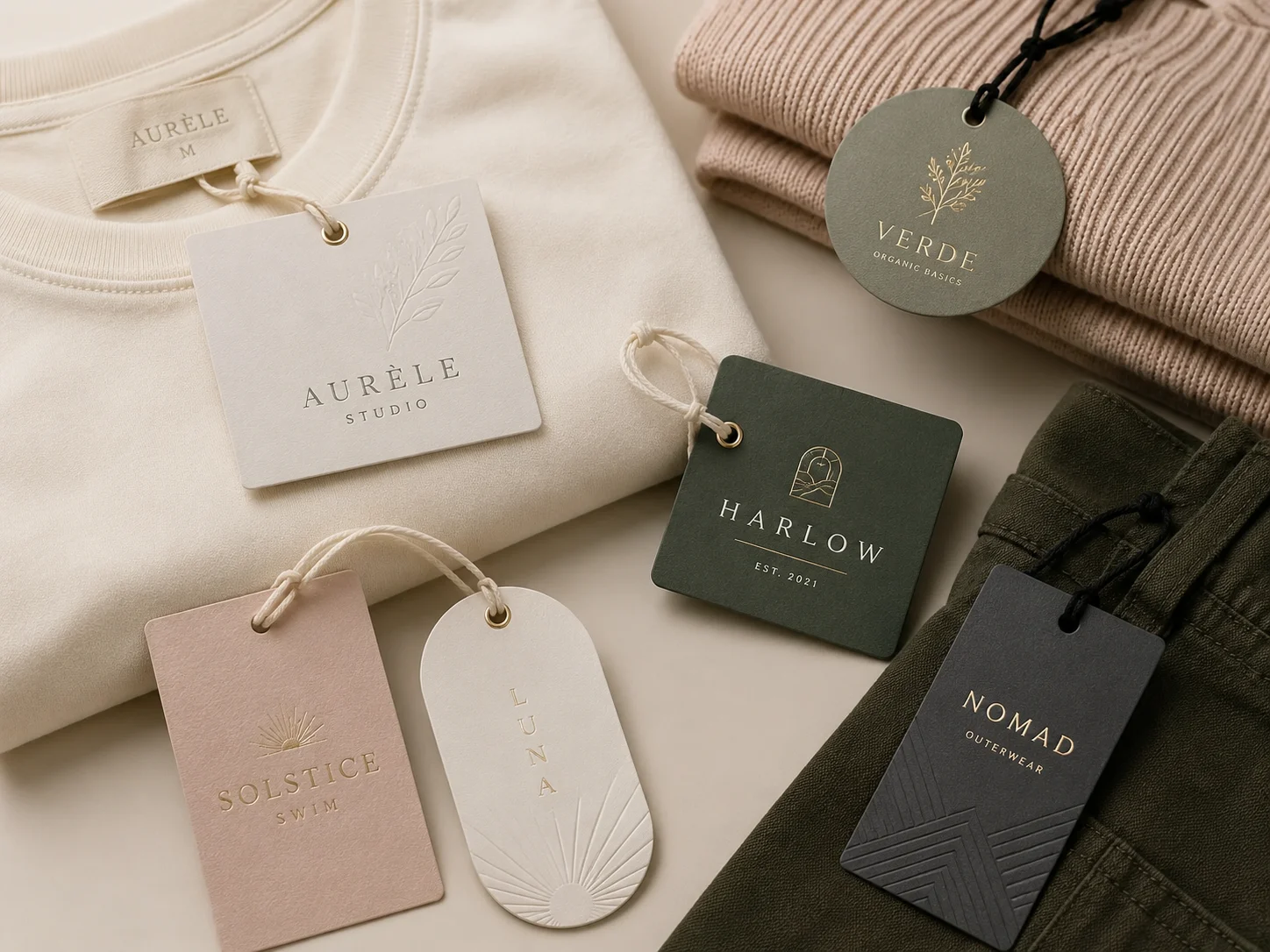
A product package may carry the main message while stickers and labels repeat the logo, product details, or promotional cue on the container or shipping material. Because customers handle these pieces closely, print clarity, surface compatibility, and adhesive choice matter.
The same visual identity can appear differently from one format to another while still feeling connected. That is the difference between consistent branding and repeated design. A strong branding strategy allows the format to change while protecting the elements customers already recognize.
Treat Production Choices as Part of the Brand

Many inconsistencies begin before printing. A low-resolution logo, an RGB file, substituted fonts, or an unapproved paper stock can change the final result even when the layout is correct.
Use a simple preflight routine. Check dimensions, bleed, resolution, color mode, stock, finish, and artwork version. Keep an approved sample when color or texture matters.
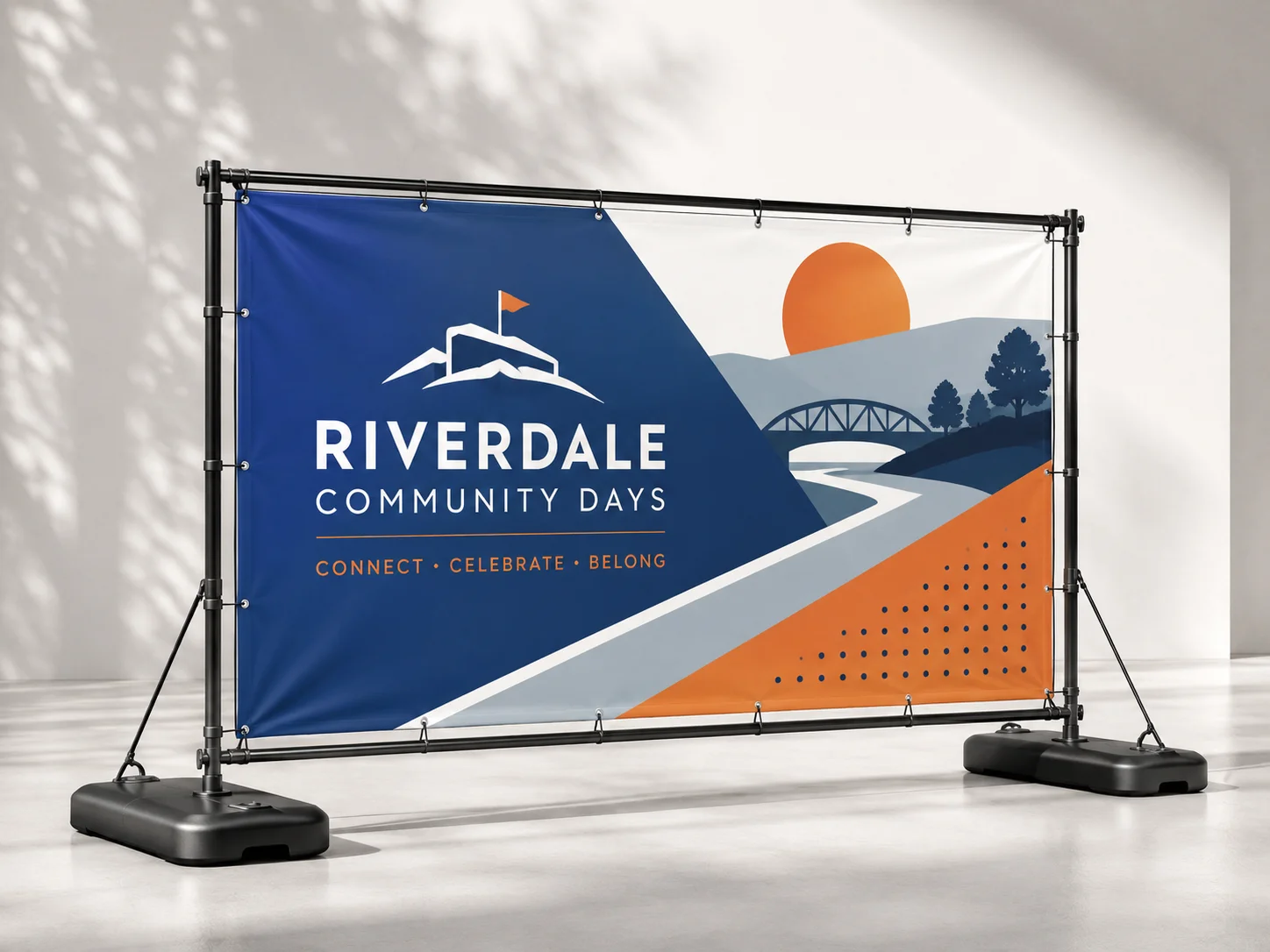
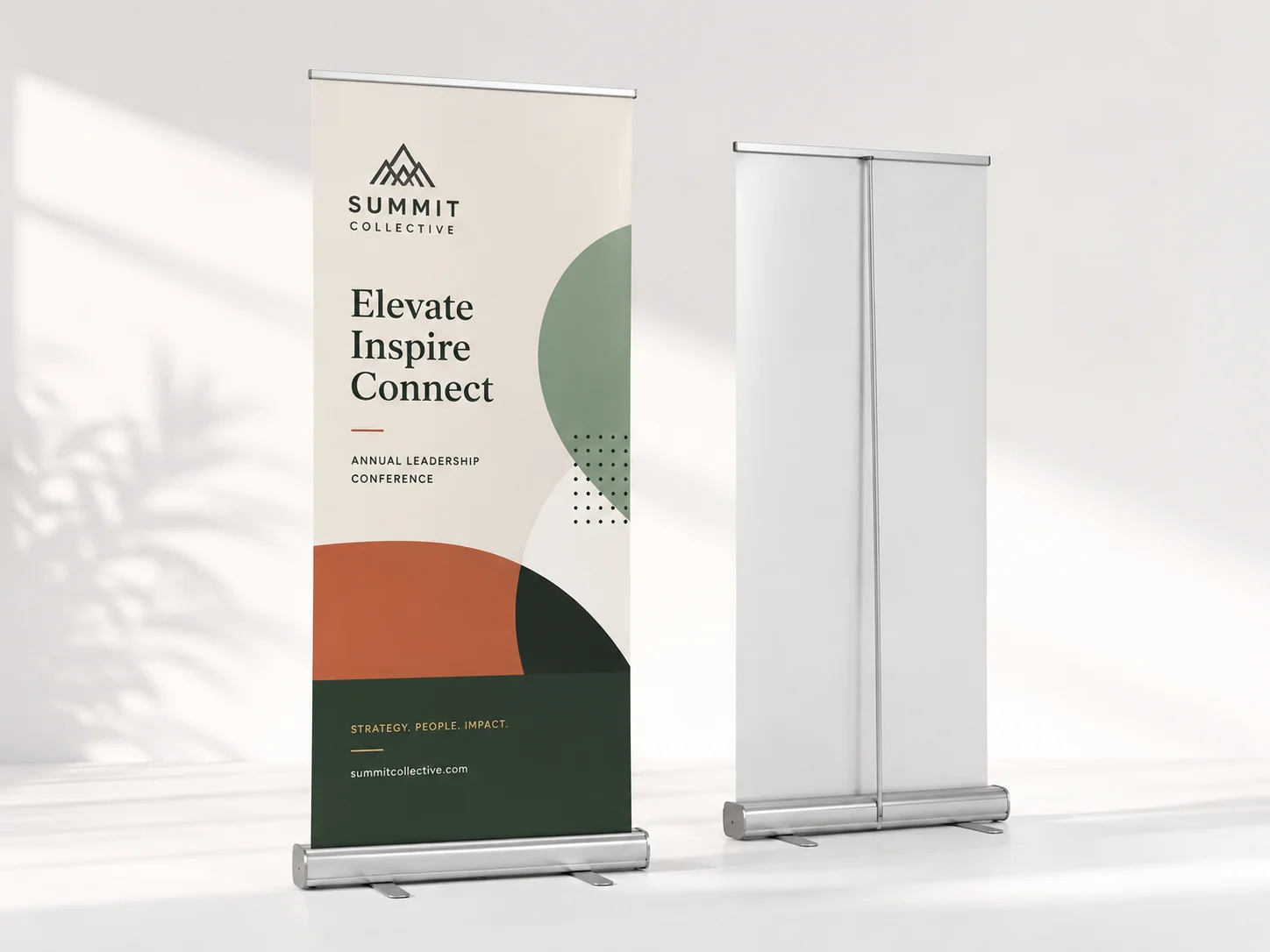
Large formats need another layer of planning. A storefront banner or event backdrop must work where people will actually see it. When a campaign uses banners, posters, and signs, type size, contrast, placement, material, and viewing distance should be planned together rather than treating the artwork as an enlarged flyer.
That production discipline makes physical branding reliable in the real world and gives brand identity design rules something practical to work with.
Standardize the Pieces People Reorder Most
Routine reorders are an easy place for a system to drift. Someone opens an old file, changes a name, and sends it to print. Months later, that altered file becomes the version everyone copies.
Controlled templates reduce the risk. Lock the logo, typography, spacing, and core colors. Leave only the fields that genuinely need to change.
Business printing services are easier to manage when one person or team owns approved masters and reorder specifications. Business material printing also becomes faster because employees no longer solve the same design questions repeatedly.
This part of physical branding protects brand consistency when teams grow, staff change, or several locations order at the same time.
Give Sales Materials Enough Room to Explain the Offer

A business card can open a conversation, but sales teams often need a second piece that explains products, services, specifications, or next steps.
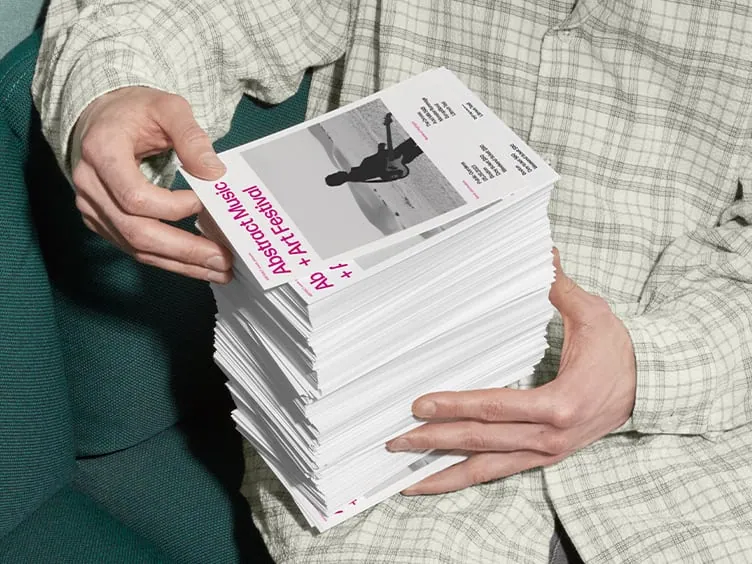
That is where marketing materials such as flyers, booklets, catalogs, sell sheets, and rack cards can extend the same design system into longer-form information. The right format depends on what the customer needs to understand and how the piece will be used.
Strong branded print materials make the next action obvious. Custom print branding works better when the format follows the sales task. That keeps offline branding useful instead of turning it into a collection of decorative pieces.
Keep Everyday Business Documents Inside the System
Brand drift also happens in routine documents. Quotes, proposal folders, letters, and forms may reach customers after the first sales conversation.
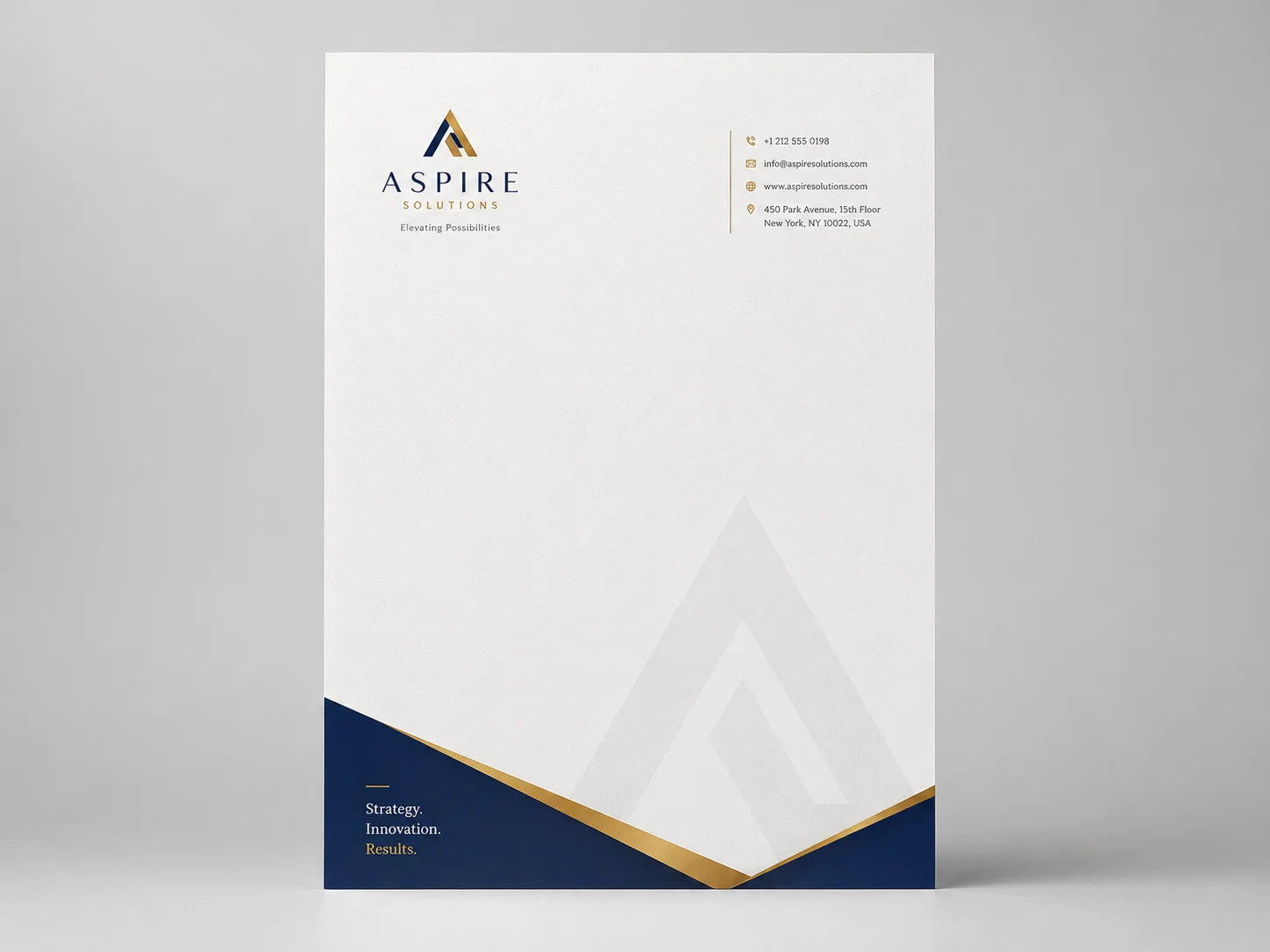
Those pieces should not introduce a different typeface, old logo, or unrelated layout. Coordinated letterheads, envelopes, presentation folders, and recurring forms can carry the same standards without making routine documents feel promotional.
This is a practical part of the wider print system. When business printing services follow the same rules across formal and promotional material, the company gains one clearer system.
Use Five Controls to Keep the System Working

A simple operating framework can prevent most problems.
Identity control keeps approved logos, colors, fonts, and brand identity design rules current.
File control separates active masters from retired artwork.
Production control records stocks, finishes, specifications, proofs, and reference samples.
Distribution control defines which materials belong at each customer interaction.
Reorder control keeps recurring purchases from becoming redesign projects.
These controls make physical branding easier to maintain and protect the visual identity as departments, locations, suppliers, or product lines expand.
Business material printing should become easier as the system matures. If every reorder still begins with a search for the correct logo, color, or file, the process needs work.
Gather current pieces in one place and compare logos, colors, contact details, readability, and relevance to the customer journey. That check gives custom business printing a practical quality standard and supports consistent branding before small differences spread.
Carry the Same Experience Into Packaging
Packaging is often where customers spend the most time physically handling the brand. It deserves more than a logo added at the end.
The outside should feel connected to the promise made earlier in the journey. Businesses that ship or display products can use custom packaging to carry approved typography, colors, imagery, and message hierarchy into that part of the experience.
A box does not need to resemble a website screenshot, but it should not feel like it came from another company. This is where the system strengthens brand recognition through use, not just visibility.
Bottom Lines
The strongest system is the one employees can follow without guessing. Start with materials already in circulation. Remove outdated assets, document the standards that matter, assign ownership, and standardize frequent reorders. Add new brand touchpoints only when they support a real customer need.
Physical branding succeeds when those rules make everyday decisions easier, not when they create another layer of work. That approach also strengthens the wider branding strategy.
When the system is ready for production, BizCard can help bring cards, labels, signage, packaging, marketing pieces, and stationery together under one recognizable standard. Choose one high visibility piece as the benchmark, approve it carefully, and use it as the reference for the orders that follow.


