



Packaging gets expensive when a business commits too early. A fully printed carton may look finished, but it also locks artwork and product information into every box already purchased.
Custom labels give a product line room to change. They are easier to update when product details or promotions change. Once demand becomes predictable, that flexibility may matter less than faster packing and stronger presentation.
The right choice depends on order quantity, SKU count, labor, storage, selling channel, and the chance that artwork will change. Keep changing information flexible and print permanent information only when doing so reduces work without creating unnecessary inventory risk.
Custom Labels Give Changing Product Lines More Flexibility
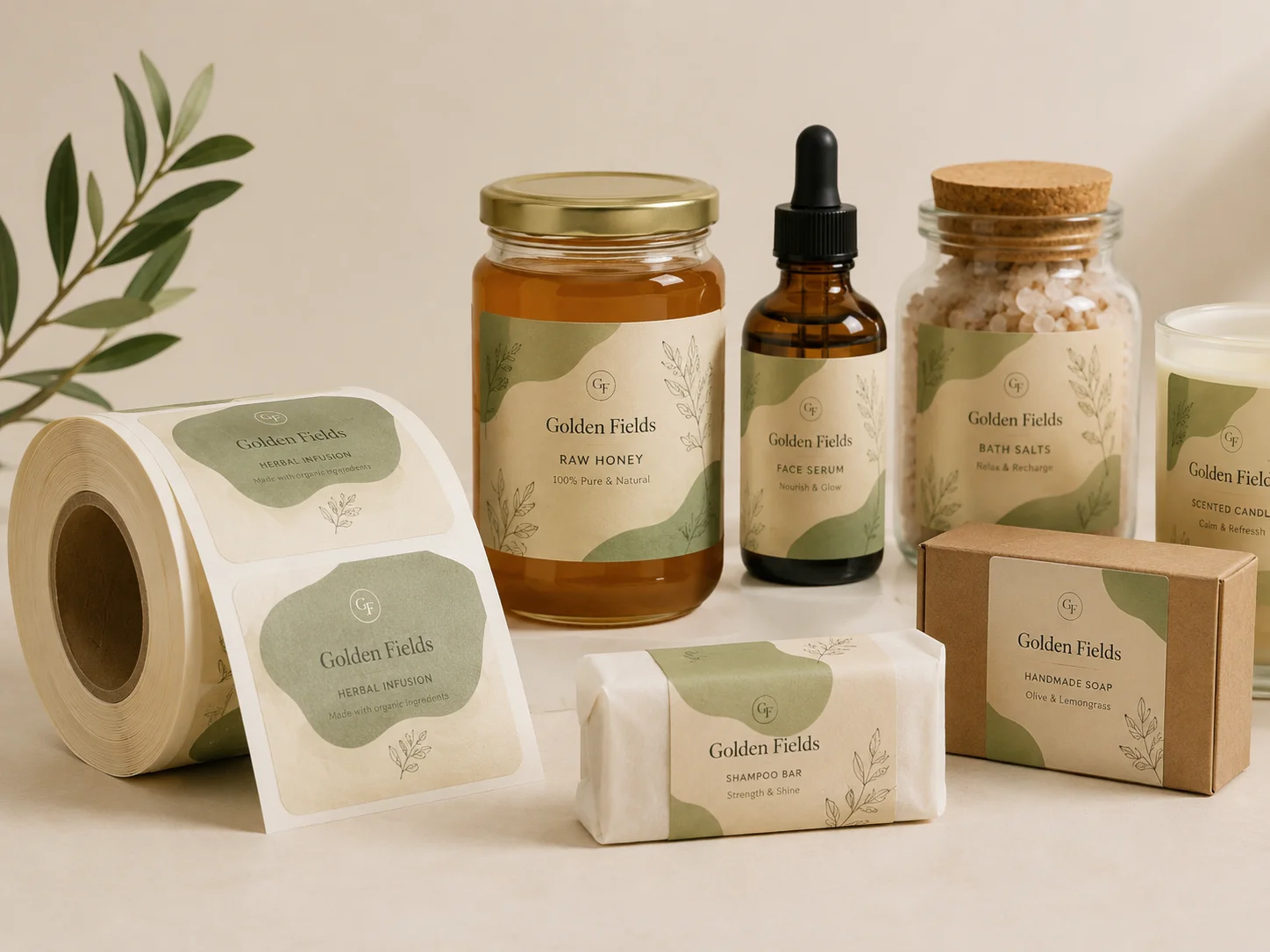
Custom labels usually make the most sense while a product is still finding a steady sales pattern. One neutral carton can support several versions of the same item, which keeps fewer finished designs sitting in storage.
Consider a candle company selling six scents in the same jar size. Six separate cartons create six separate inventories. If two scents move slowly, those boxes may sit unused while faster products need another order. A shared carton with different labels keeps most of that stock interchangeable.
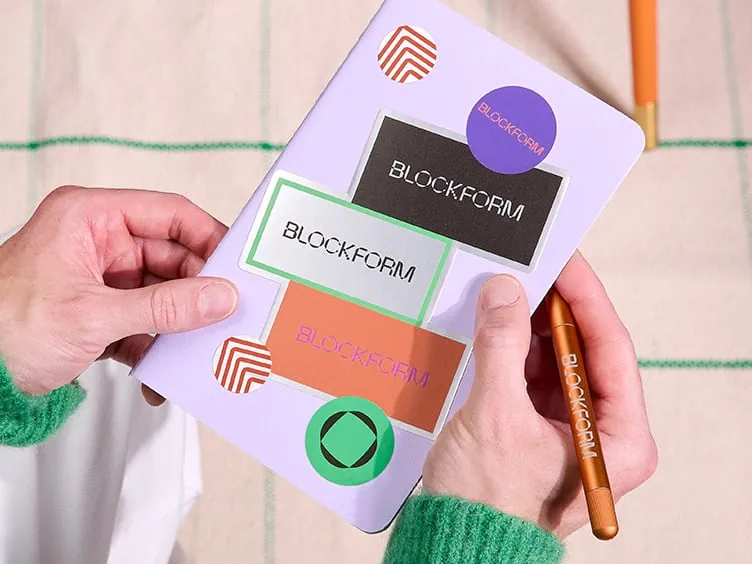
This is where stickers and labels fit naturally. They can carry the scent, shade, size, barcode, or limited-run artwork while the carton stays unchanged.
This approach is especially practical for launches, test markets, seasonal products, and lines still adding SKUs.
More SKUs Create More Inventory Risk
Total volume can be misleading. A business shipping 8,000 units a month may still have only a few hundred units of each design. In that situation, custom boxes can create more stock than the individual SKUs can comfortably use.
Printed Boxes Work Better After Demand Stabilizes

Once the same item is reordered consistently, the package can take on more of the branding and communication work.
The carton can give each panel a clear job. Product identification can stay on the front, while instructions and supporting information move to other panels without crowding a label.
At this stage, businesses can compare custom packaging options by carton size, quantity, finish, and reorder frequency.
Printed packaging boxes make the strongest case when the design has already survived several sales cycles without major changes. The same stability also lowers the risk of ordering larger runs of printed packaging boxes.
Labeling Labor Starts to Matter at Higher Volume
The price of a label is only part of its cost. Someone still has to position it, apply it, and check the finished pack.
At 200 units, that labor may be insignificant. At several thousand repeated units, it becomes part of fulfillment. Custom box printing can remove that recurring step when the same design is packed week after week.
Inventory Risk Matters More Than the Lowest Unit Price

A cheaper quote does not always produce cheaper packaging.
Suppose a finished carton saves a few cents compared with a blank carton and packaging labels. The saving disappears if a product update leaves hundreds of cartons unusable. A barcode change, rebrand, revised claim, or discontinued SKU can turn paid-for stock into waste.
Compare printing, application labor, storage, expected waste, and the value of inventory that could become obsolete.
Teams comparing online box printing providers should request several quantity breaks. A price at 500 units may support one decision, while 5,000 units may support another. Packaging boxes wholesale can lower unit cost too, but only when demand is stable enough to use the stock.
Retail Packaging Needs Consistent Presentation
Products sold in stores face a different challenge from products shipped directly to an existing customer. Retail product packaging must identify the item quickly and give shoppers enough information to understand what they are buying.
A directly printed carton keeps the product name, variant, brand, and supporting copy in predictable positions.
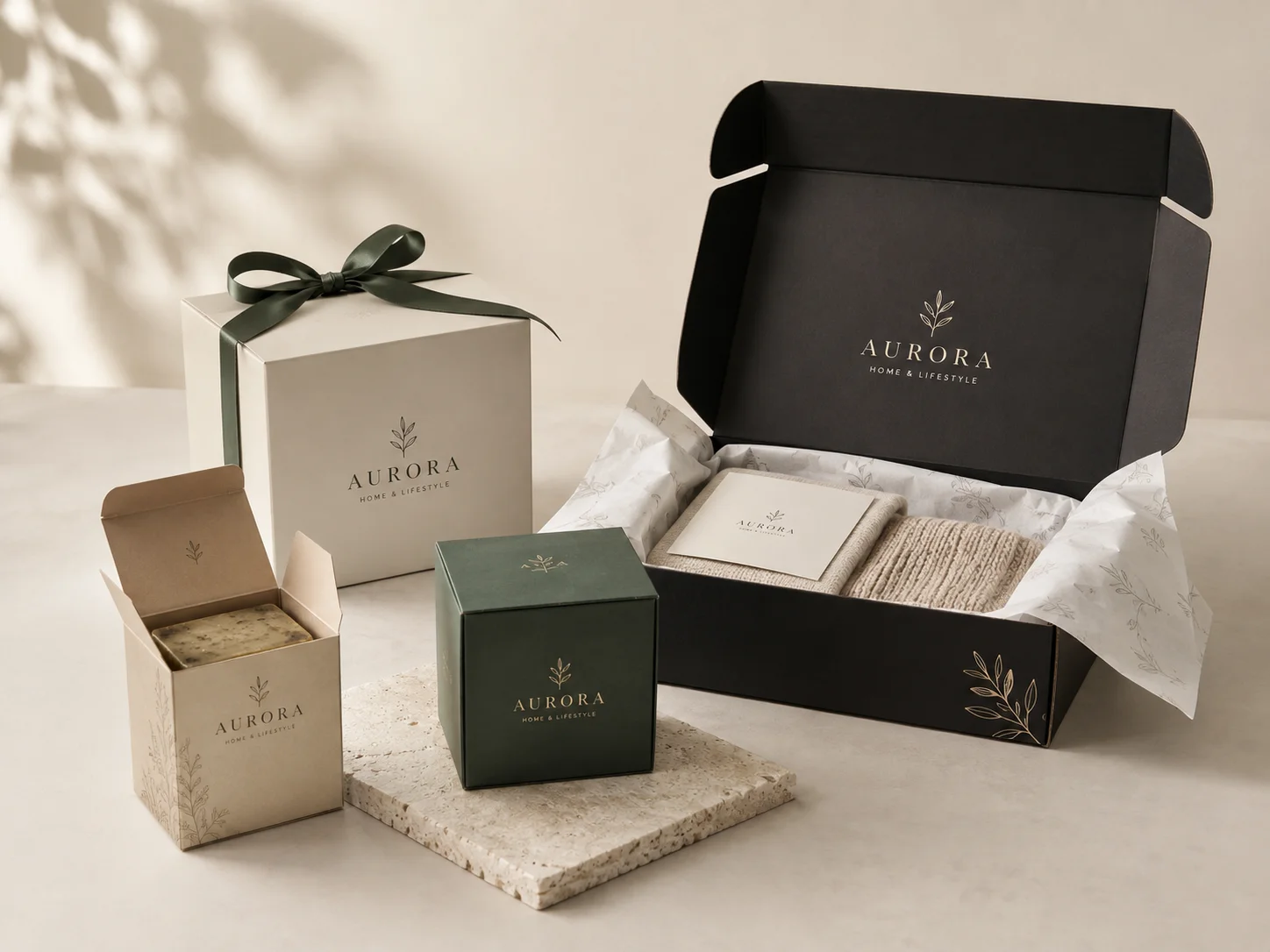
For gift sets, promotional kits, and premium items, gift and product boxes can provide a more finished presentation when the dimensions and product format are already established.
Good box packaging does not mean filling every panel. Extra print space should make information easier to follow. Custom labels can still handle a seasonal variant or market-specific detail without changing the core carton.
Packaging Compliance Needs Room for Required Information

U.S. labeling requirements vary by product type, so compliance should be considered before artwork is approved.
For many consumer commodities covered by the Fair Packaging and Labeling Act, required information can include product identity, net quantity, and the name and place of business of the manufacturer, packer, or distributor. FDA-regulated categories can have additional requirements.
A small custom label may provide enough room for one product but leave another cramped. Product packaging should be designed around the information that must actually appear on it.
Custom packaging printing can help when permanent information needs more panel space. Packaging labels remain useful for details that change by batch, size, flavor, scent, or market.
Hybrid Packaging Keeps Permanent and Variable Details Separate
A brand does not have to choose between a blank carton and a different fully printed carton for every SKU.
A hybrid system can print the logo, brand colors, website, and other stable elements directly on the carton while leaving changing details on labels. This keeps the package recognizable without locking every variable into the box.
For brands that mainly need a branded closure or finishing detail, packaging and box seals can add that element without creating another carton version.
Separate Stable Details Before Ordering
Before approving custom packaging printing, divide the artwork into two groups. Keep long-term brand elements in the permanent group. Put SKU-specific, seasonal, batch-related, or frequently revised details in the variable group.
That exercise often shows whether direct print, custom labels, or a combination of both is the safer choice.
Physical Testing Should Come Before a Large Print Run

A digital proof cannot show how the package performs with the real product inside.
Test fit, closure, board strength, barcode scanning, label adhesion, and shipping performance before committing to a larger order. This matters for online boxes printing because correct artwork does not guarantee that the structure will perform correctly.
The same rule applies to packaging boxes wholesale. A sample can expose a weak fold, poor fit, or unsuitable surface before the problem reaches a bulk order.
Custom boxes should also be tested with any inserts used during fulfillment. Product boxes may behave differently once packed.
The Best Format Follows the Next Stage of the Product
Use custom labels when demand is uncertain, artwork changes regularly, several SKUs share one package, or smaller runs help protect cash.
Move toward a printed carton when one design sells repeatedly, the artwork is stable, the carton needs to carry more of the brand, and manual labeling no longer provides useful flexibility.
This is when custom box printing becomes an operational decision rather than simply a design upgrade. The same is true of box packaging. The format should make packing easier, inventory safer, or presentation stronger.
If the product or SKU mix is likely to change soon, labels may still be the safer choice.
Nutshell
Labels protect flexibility while products are still changing. A printed carton earns its place when demand is steady, artwork is settled, and the package needs to do more of the branding work.
Before placing the next order, compare both formats at the same realistic quantity. Include labor, storage, waste, and obsolete stock. Then decide which information belongs permanently on the carton and which should remain easy to change.
When the product is ready for a more permanent setup, review the available formats at BizCard and choose the option that makes sense for the next production cycle as well as the current one.

