


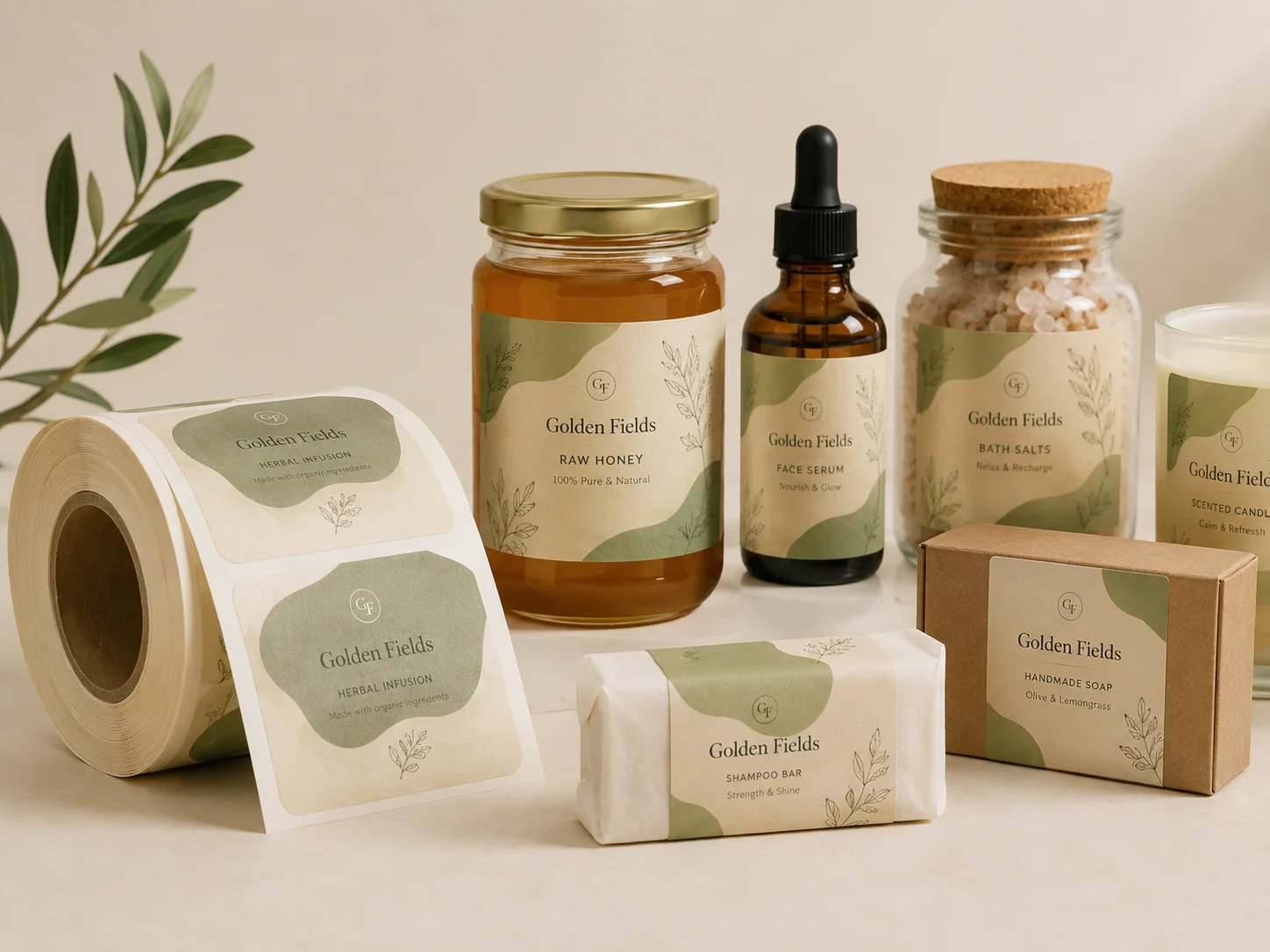
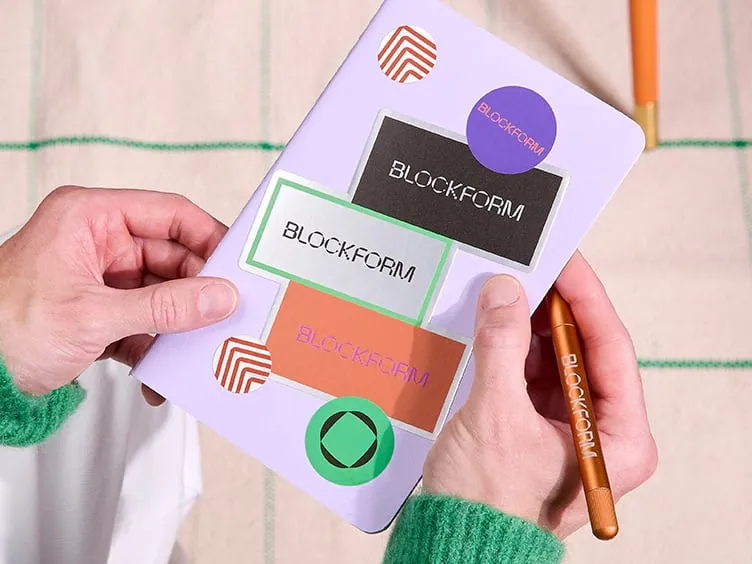
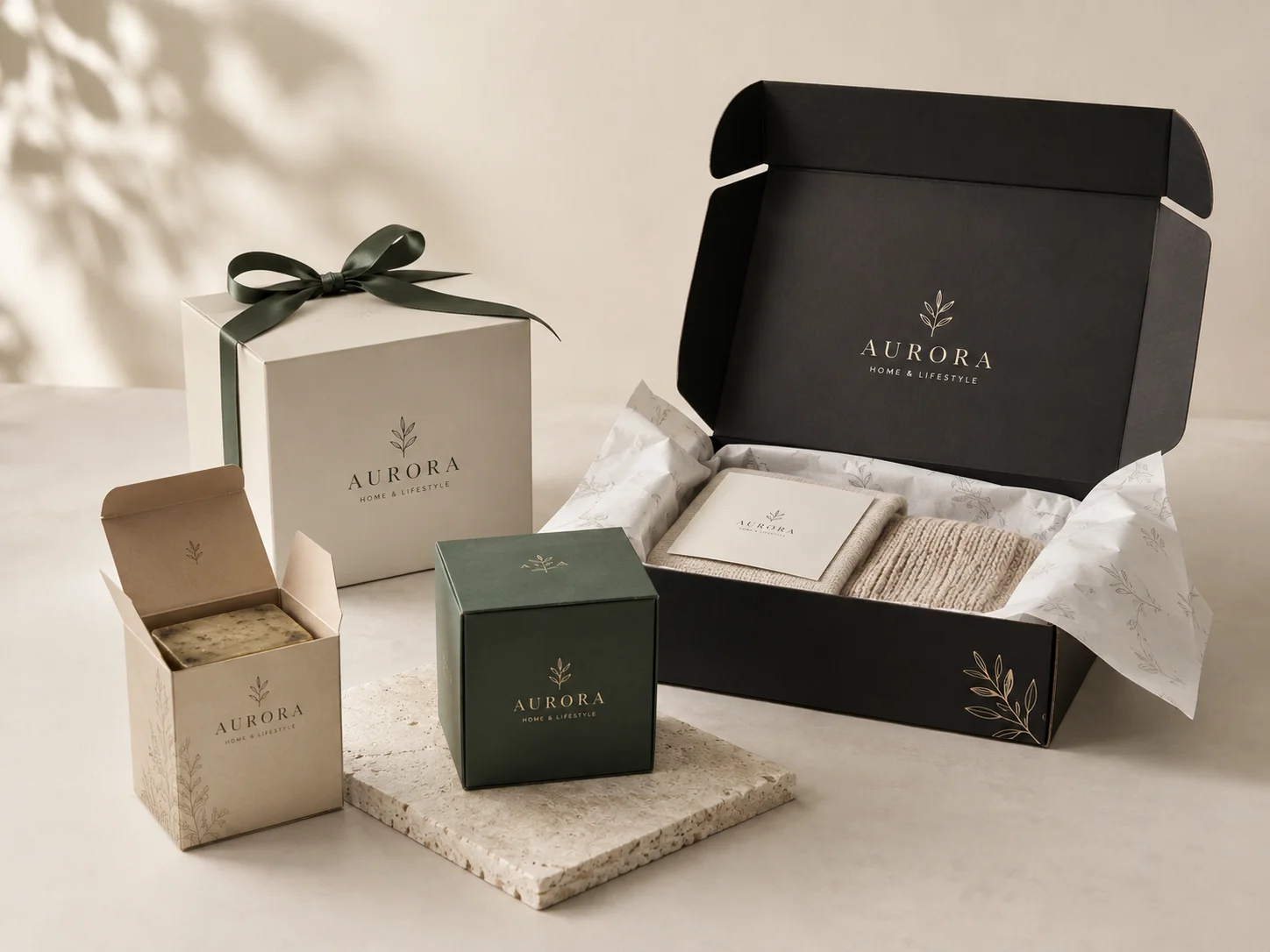


Hand a designer a 1-ounce spice jar and the brief changes. The brand name, flavor, net weight, and required lines must share a strip you could cover with two fingers. Small labels leave no room for filler.
This guide covers the rules, layout, materials, and proofing behind small product labels that work on a real shelf.
Small Labels Do More Work On Small Products
Larger product packaging splits the job across side panels and inserts. A sample-size serum bottle gets one wrap of film. Every element on it fights for the same few square inches. A label cut for one container wastes nothing on margins meant for another. Readable packaging labels also make reorders easier, because customers find the right scent in seconds.
Federal Rules That Shape Small Labels

Rules settle part of the layout first. Checking them early costs far less than fixing a problem after product label printing. None of this replaces advice from the FDA or a labeling attorney.
Display Panel Size And Type Height
Most minimum text sizes depend on the principal display panel (PDP), the face a shopper sees first. For a box, it is height times width. Under 21 CFR 101.1, a bottle or jar PDP is 40% of the circumference times the height. A jar with a 10-inch circumference and 2 inches of height comes to 8 square inches.
That figure sets the smallest net quantity lettering allowed under 21 CFR 101.105.
A PDP of 5 square inches or less needs letters at least 1/16 inch tall.
A PDP over 5 and up to 25 square inches needs at least 1/8 inch.
At 5 square inches or less, the net quantity line need not sit in the bottom 30%.
Nutrition Facts On Tiny Food Packages
Food packages with under 12 square inches of labeling space may drop the Nutrition Facts panel. The label cannot make a nutrition claim, though, and it must list an address or phone number for questions.
Packages up to 40 square inches can use a tabular or linear format instead. Both allowances come from 21 CFR 101.9(j)(13) and help small packaging labels on gummies and spice tins.
FDA’s proposed front-of-package Nutrition Info box, published in January 2025, was still not final in August 2026, so leave some front-panel slack.
Cosmetic Ingredient Lists
Cosmetics follow 21 CFR 701.3. Ingredient lettering must be at least 1/16 inch, or 1/32 inch on packages under 12 square inches of labeling space. If the list still won’t fit, a firmly attached tag or card can carry it.
Since December 29, 2024, the Modernization of Cosmetics Regulation Act has also required a U.S. address, phone number, or website for adverse event reports. Lip balm and serum brands can start with our cosmetic and skincare labels and choose a size with room for both.
Design Choices That Keep Small Labels Readable

With the legal lines drawn, product label design decides what fills the rest. Dieter Rams, the longtime Braun designer, summed up his approach in three words, “Less, but better.” Small product packaging tests that idea hard.
Content Hierarchy
Rank the front-panel content before any packaging design work starts.
Product name, set largest.
Variant, such as flavor or scent.
One short benefit or claim.
Directions and the brand story can move to the back or behind a QR code. A color band for each variant also helps shoppers tell lavender from unscented at a glance. We made a similar case in our piece on why clear labels are replacing loud packaging.
Type And Finish
Sans-serif faces with a tall x-height (tall lowercase letters) hold up longest as sizes drop. Script and hairline fonts break up first on small labels. White text on a dark background can also fill in on press. Under bright store lights, gloss throws glare across fine print, whereas matte stays readable.
Formats That Add Space To Small Labels
When the front panel is full, move content elsewhere instead of shrinking the type.
Wraparound And Peel-Back Formats
A wraparound turns a bottle’s full circumference into one panel. It shows up often in custom bottle label printing for hot sauce and oils. If that falls short, a peel-back layer can hold warnings or Spanish copy.
Hang Tags And Lid Labels
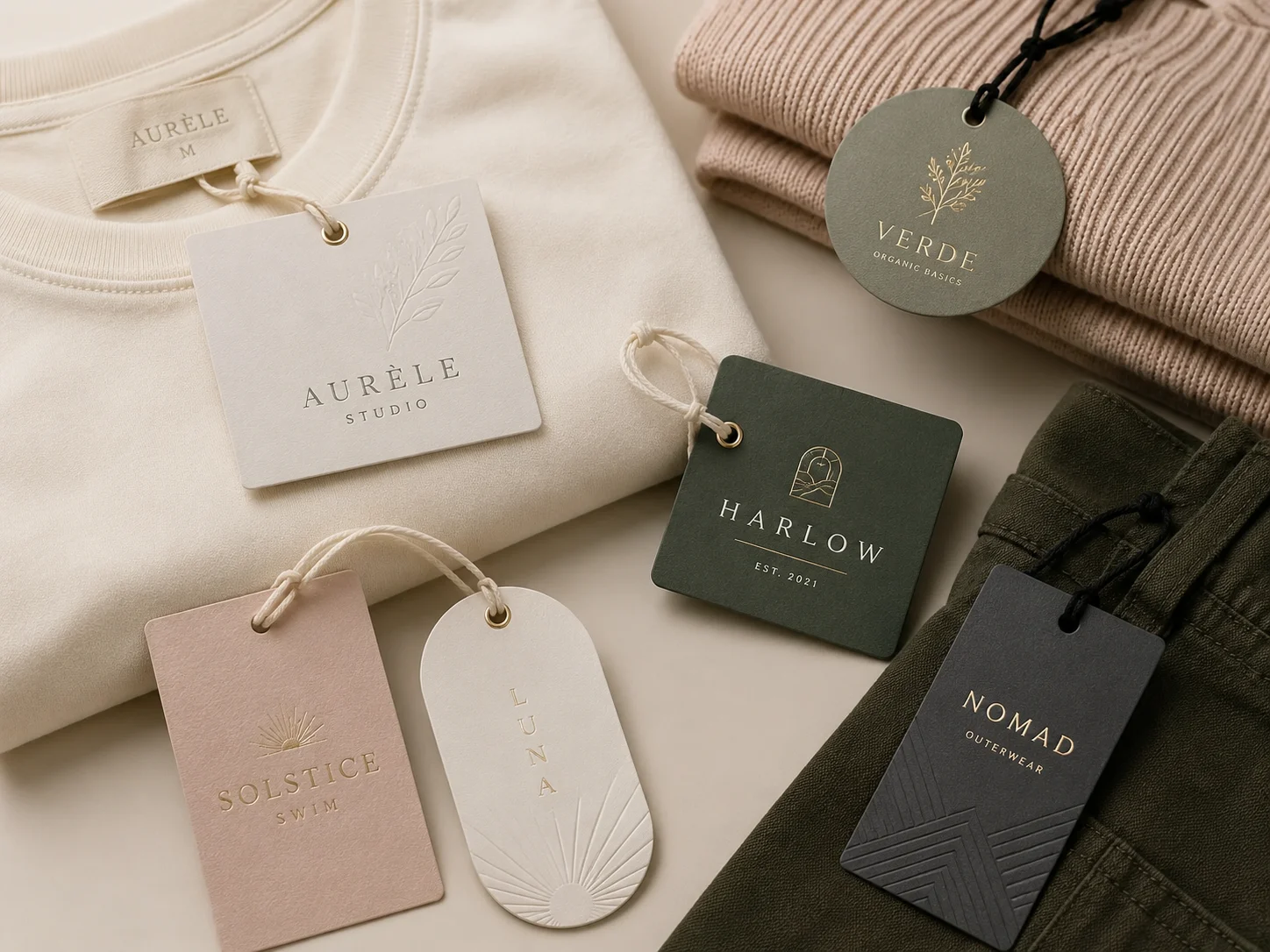
Candles and gift items can move care notes onto a tag, and our guide on how retail tags make products feel premium covers why that helps. Jars and tins have a flat top, so custom jar label printing often splits the design between a round lid label for the logo and a side label for required details. Keep custom product labels and tags in one color system.
QR Codes And Barcodes
A QR code can carry what the label cannot, such as full directions or a reorder page. Test it on several phones before label printing begins. Checkout is changing too. The UPC is not going away, though, and trimming its bar height to save room can make it scan poorly.
Label Materials That Hold Up On Small Containers

A clean layout still fails if the label lifts or smears.
Film Versus Paper
Paper is stiff for its thickness, so its edges can lift on a narrow vial. Thin film such as BOPP follows tight curves better, and rounded or die-cut corners give edges less to catch on. Our custom labels for small products come on rolls from 1 by 1 inch, in clear and waterproof white film, among other stocks.
Moisture, Oil, And Adhesion
Anything kept in a fridge or near a sink needs waterproof film. Uncoated paper soaks up oil from lotion or chili sauce. Packaging labels that peel in a cooler also make shoppers question the product.
Apply small labels to a clean, dry container at room temperature, because condensation on a chilled jar stops adhesive from bonding. Sauces and jams do well on our food and beverage labels, which are made to survive the fridge.
Proofing Steps Before Printing Small Labels
Product label design that looks sharp at 400% zoom can fall apart at actual size. Before approving an order, run three checks.
Add about 1/8 inch of bleed and keep text inside the safe zone.
Print the proof at 100% and wrap it around the real container.
Ask a colleague over 40 to read the variant name at arm’s length.
Next, order small batch custom labels and live with them on real products for a week. Digital custom label printing keeps short runs affordable, since it needs no plates. Once the test passes, full product label printing becomes a reorder.
To Sum Up
The best results start with a tape measure, not a template. Measure the display panel, check the federal minimums, rank the front-panel content, and test a proof on the real container. Packaging design built that way holds up on the shelf.
BizCard offers custom label printing on waterproof film, clear film, and paper stocks, printed in the USA with a proof you approve first. Upload your artwork today and start with small batch custom labels for a test run. Your smallest products deserve the same shelf appeal as your biggest ones.


