


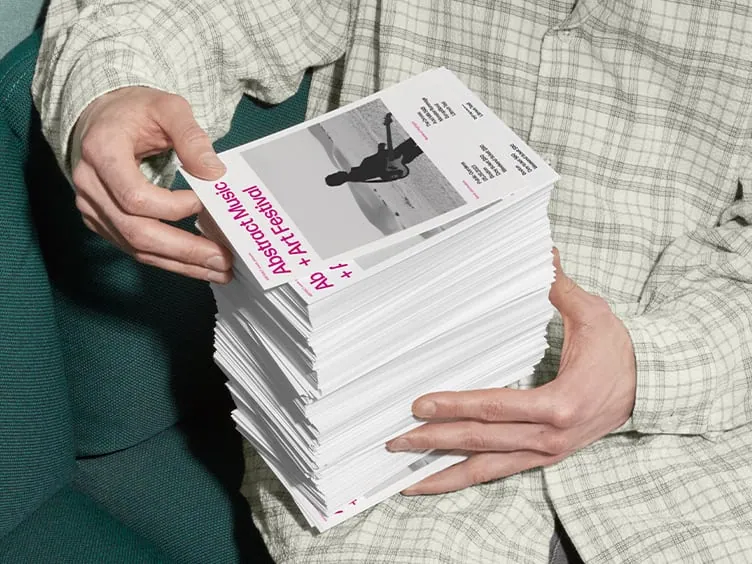

Tableside print is everything printed that a guest handles after being seated, from the dinner menu to the tent between the salt and pepper. Most restaurant marketing chases people who might never walk in. This reaches the ones already at the table, already hungry, and a few minutes away from ordering a second drink.
The timing matters this year. The National Restaurant Association’s 2026 State of the Restaurant Industry report forecasts $1.55 trillion in sales but only 1.3% real growth after inflation.
With traffic that soft, a few more dollars per check matters as much as new covers. A card on the table is one of the cheapest ways to get there.
Tableside Print Still Wins Over Digital Menus
QR menus spread during the pandemic and never fully left. About 65% of Americans have now used one, up from 42% in 2022. More use hasn’t meant more love, though. Just 37% of those users like the experience, and 58% would like paper menus back.
Anyone who has worked in a dining room knows why. Phones die, Wi-Fi drops in the back corner, and a four-top ends up passing one phone around. QR code menus still have a job, mostly for allergen charts and long wine lists. Even so, printed restaurant menus are what most guests read, and the rest of the table should be built around them.
The Tableside Print Materials Every Restaurant Needs

Most tables have room for three or four printed pieces before they feel cluttered. Each needs a clear job, plus fonts and colors that match the others. Tableside marketing materials that look like they came from four different shops tend to get ignored together.
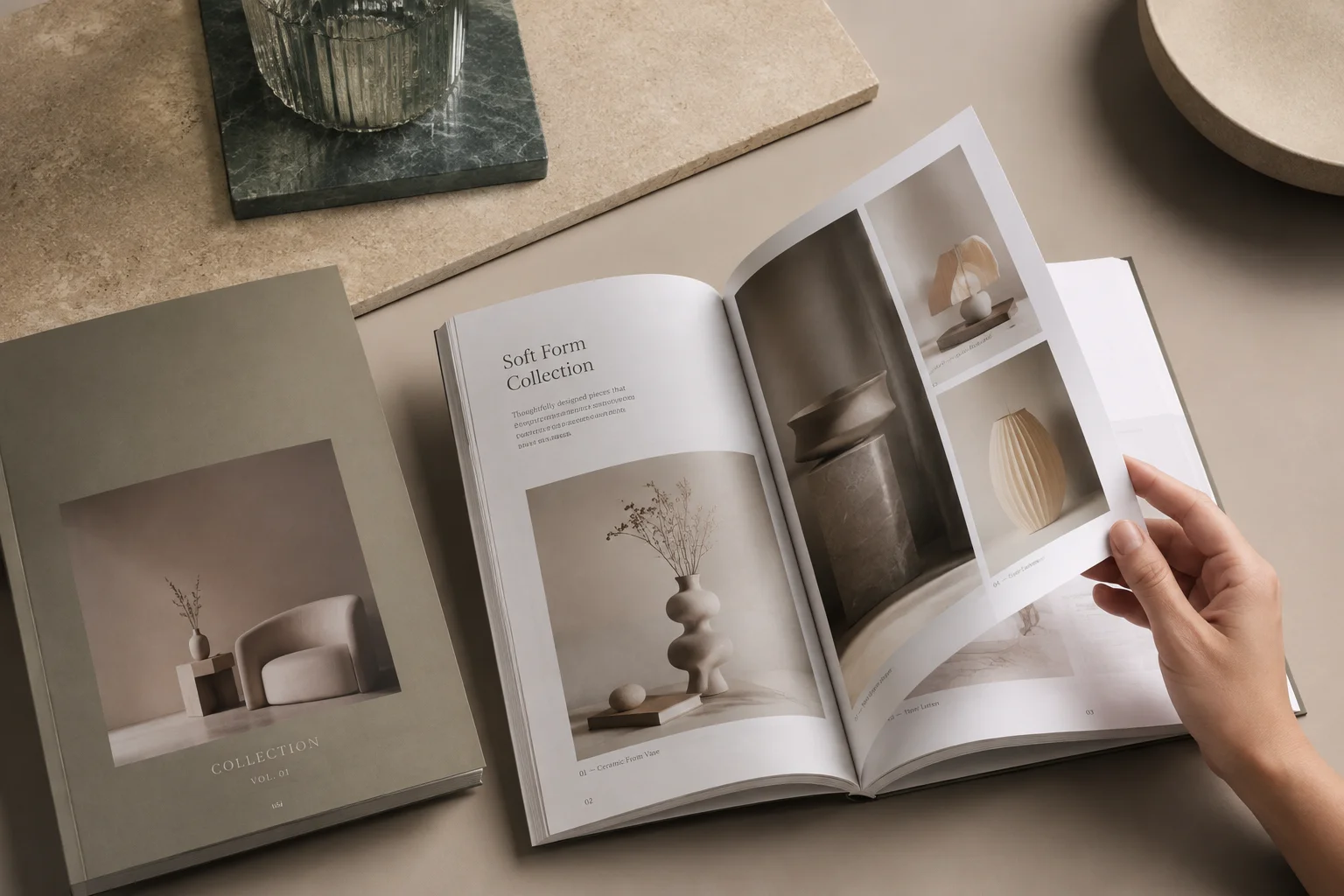
Printed Menus
Restaurant menus are still where most of the money gets made. Menu engineering puts high-margin dishes at the top of each section, where eyes land first, and boxes one signature item so it stands apart.
For restaurant menu printing, a water-resistant sheet survives a spilled iced tea, while uncoated kraft suits a brewpub. Descriptions should name something real, like dry-aged or wood-fired. Smaller printed menu cards for desserts can go out right after servers clear the entrées.
Table Tents
Tent cards handle anything that changes faster than the menu, like a fall cocktail or a $12 lunch combo that runs until 3 p.m. Both sides are printed, so guests across the table still see an offer.
Table tent promotions do best with a firm end date, since “limited time” gives nobody a reason to act tonight. Restaurant table tent printing on 14pt or 16pt cards keeps tents from sagging after a week of wiping.
Counter Cards And Table Talkers
Folded cards won’t last long at a host stand, on a bar top, or on a windy patio. Signs that stay out for months, such as a loyalty program, belong on rigid restaurant table displays instead. Counter cards and table talkers made from foam core or 3mm PVC stand on an easel back and survive constant handling.
QR Code Displays
A code should open one thing, not the whole website. Danny Meyer, founder of Union Square Hospitality Group, described the difference in Setting the Table. “Hospitality is present when something happens for you.
It is absent when something happens to you.” Forcing guests to order on their own phones can feel like the second kind. A code that opens the allergen chart a guest just asked about feels like the first, and that bit of dining table advertising ends up doing part of a server’s job.
Design Tips That Help Tableside Print Sell More

Picking the right pieces gets you halfway there. The rest comes down to copy, type size, finish, and timing.
One Offer Per Card
A tent listing six specials usually sells none of them. One item, one price, a short headline, and an end date are plenty. Long copy fails on a table card for the same reason long brochures lose readers before the offer. Before ordering custom restaurant table tents, try writing the offer as one sentence. If it won’t fit, the card is doing too much.
Readable Type In Low Light
Most dining rooms dim the lights at dinner, and thin script fonts disappear first. A 24-point headline and body copy of at least 12 points, in dark ink on a light background, is a safe start.
The best test is free. Put a proof on a real table during service and read it from the farthest seat. If the price doesn’t jump out, fix the layout. Custom menu printing deserves that check too.
Coatings For Daily Wipe-Downs
Tables get sprayed and wiped between seatings, and bare paper soaks up sanitizer fast. A matte or gloss coating on heavy cards stops ink from smearing and corners from curling.
This matters even more in menu printing, because printed restaurant menus pass through dozens of hands a night. Laminated stock costs more but usually outlasts several runs of plain paper.
Daypart Rotation
The lunch crowd and the 10 p.m. bar crowd want different things. A two-sided tent can push a lunch combo on one face and happy hour on the other. Front-of-house staff can flip it at the afternoon changeover.
Custom table tent printing gives each face its own artwork. Swapping restaurant specials cards every four to six weeks keeps regulars from tuning them out.
Using QR Codes On Printed Materials

QR code menus work best as a supplement to paper. When a code goes on any piece of tableside print, a few details decide whether anyone scans it. Make it at least an inch square with a white border, and test it from a seat under real room lighting.
The label should say what opens, like “Allergen guide,” because “Scan me” gives no reason to reach for a phone. Dynamic codes let the link change without a reprint. It’s also worth a weekly check for fake stickers over real codes.
Tracking The Sales Impact Of Tableside Print
Print is easy to measure if the POS is set up for it. Give each promoted item its own button. Then compare four weeks with the card against the four weeks before, matching days of the week. Separate QR codes per offer show which table tent promotions get scanned.
The math is usually simple. Say a 70-seat bistro sells twelve extra $9 desserts a night off a new tent card. That’s $108 a night, or about $3,200 a month, from tents that can cost less than one night of those sales.
Common Print Mistakes That Waste Restaurant Budgets
Most money wasted on tableside marketing materials comes from ordering pieces one at a time, with no shared plan. A physical branding system fixes most of that and prevents these habits.
Ordering a year of custom table tent printing for a one-month promotion.
Leaving faded or expired restaurant tables displays out after the offer ends.
Skipping the proof on restaurant menu printing, which is how a wrong price reaches every table.
Final Thoughts
Guests will scan a code when they have to, but most would still rather hold something. Tableside print gives them that and adds a few dollars to each check, as long as every piece has one job and someone tracks the numbers. Pair it with the rest of your restaurant marketing, start with a single card, and give it a month.
BizCard handles custom menu printing, table tents, and counter cards for restaurants across the U.S., and every order comes with a proof to approve before printing. Pick the piece your tables need most, upload your artwork or start from a template, and get fresh tableside print in front of guests this month.


