



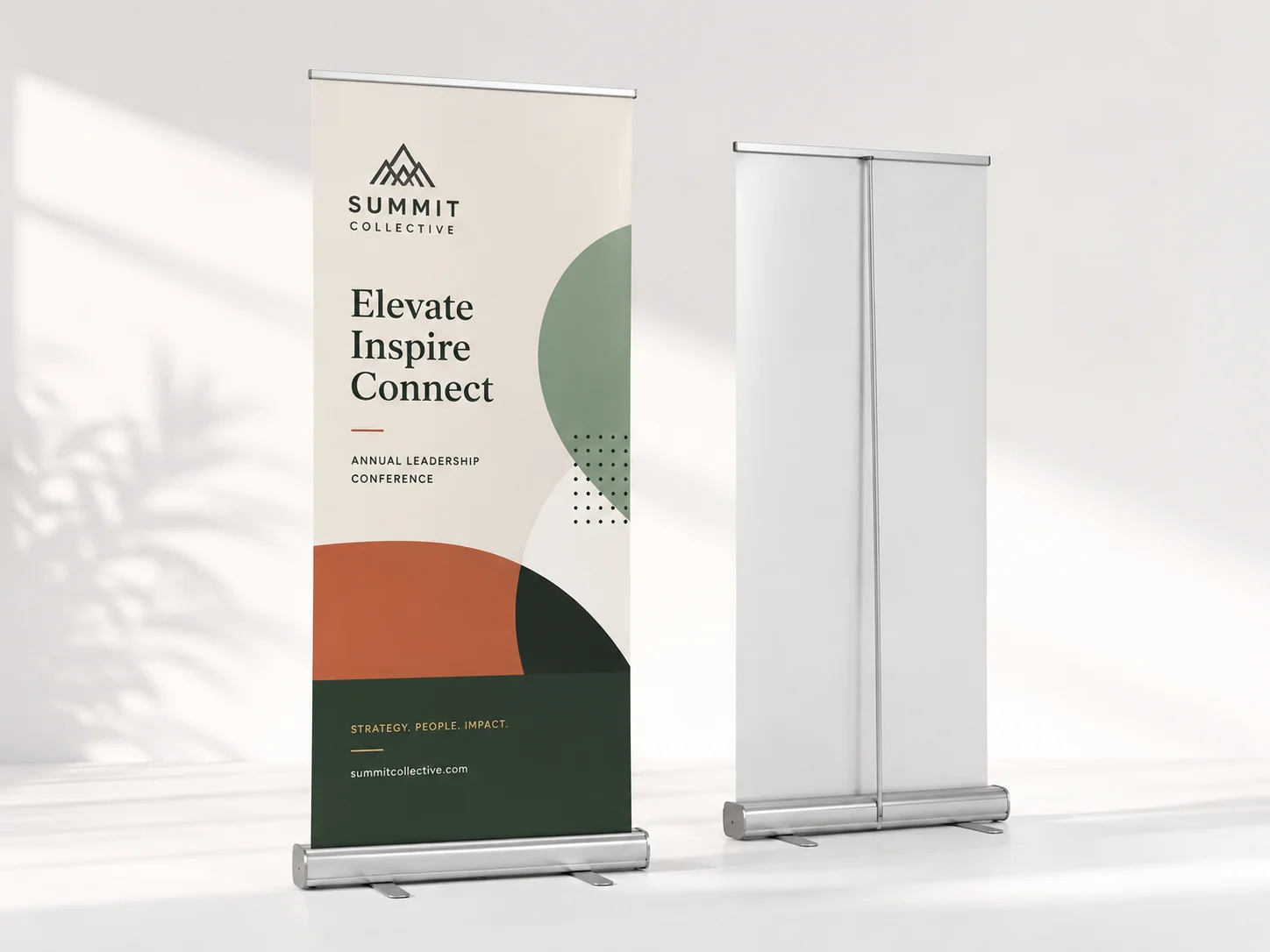

Shelving can be very noisy these days. Products are being displayed in color blocks, bold lettering, large claims, and in many instances, one on top of the other; all trying to capture a consumer's interest, which the majority of these products do not achieve.
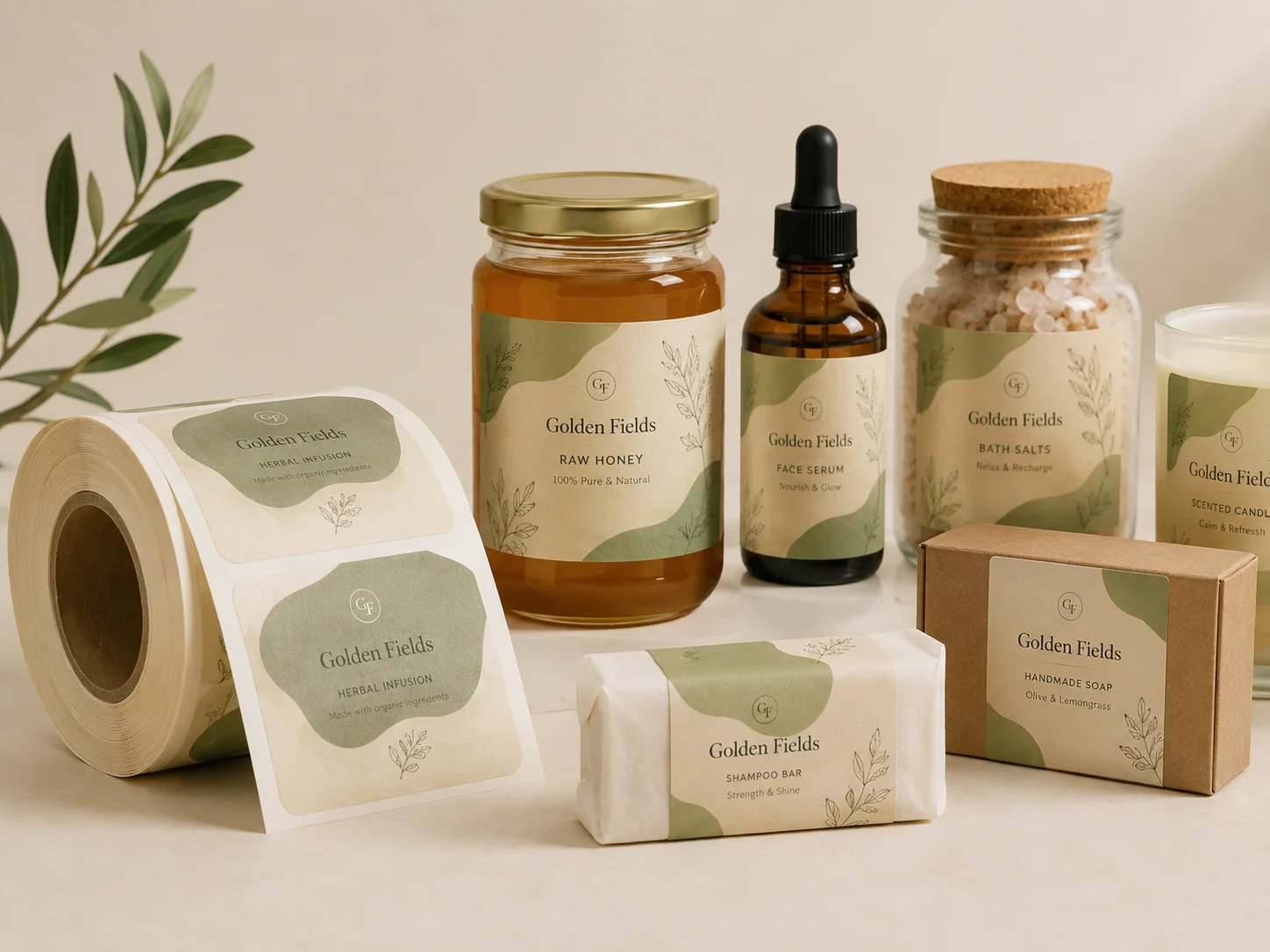
There are several companies that have chosen to completely avoid this competition. Packaging with clear labels allows the product to speak for itself. It lets the actual color and texture of the product replace the simulated color and texture created by graphics.
This isn't just a look. It's how people actually shop now, trusting what they can see through the packaging more than anything printed on it. For a small brand, that trust comes at a lower print cost too, which makes the shift in product packaging easier to justify.
Clear Labels And The New Shelf Standard
Packaging design's pull on buying decisions is bigger than most brands assume. Clear product label printing has grown into its own category on the back of that preference, especially across food, beverage, and personal care.
Product labels used to compete on volume, on how loud a design could get. That competition is quieting down. The brands pulling ahead now say less, and somehow get noticed more.
Loud Packaging Versus Visual Clarity
Bold color and dense copy used to be the default in a crowded aisle, and for some categories it still is. But it's losing ground, especially with younger buyers and brands that grew up selling online first.
Transparent labels take the opposite bet. A well formulated product doesn't need a shouting label. It needs a clean one, carrying the logo, the claim that matters, and whatever the law requires, nothing else. The same thinking shows up in packaging and box seals, where one transparent sticker often replaces a printed sleeve for less money and less production time.
Packaging labels leaned on color because color was cheap attention. Restraint costs more to pull off, but it reads as confidence, and that's what shoppers respond to now.
Choosing The Right Clear Label Material

Transparent film is not one material. Some stocks hold ink cleanly and resist moisture for years, while others yellow within months. Good label design starts with the substrate, not the artwork, since no amount of polish saves a print job on the wrong film. Clear label design depends on that choice before anything else gets decided.
Crystal Clear Film For Glass And Plastic
The crystal clear film can be used for the "no-label" appearance of products that have designs on them such as jars, bottles, and smooth metal tins. This type of film will give the impression that the design is sitting right on top of the glass. When printing on this film, any wording or logos must first receive a layer of white ink prior to receiving their final color.
Static Cling For Temporary Displays
Static-cling materials use no adhesive at all; they rely upon surface tension. Retailers use clear static-cling materials to create seasonal signage, window promotions, etc., that can be removed quickly and easily from glass or acrylic surfaces, leaving no residue behind.
Container Shapes And Transparent Labels

Not every container lets clear labels disappear the way brands expect. Some shapes make it look effortless. Others fight it the whole way.
Glass And Rigid Containers
Glass and rigid plastic are the forgiving surfaces, a flat or gently curved wall with one consistent color underneath and nothing moving while the label goes on. Transparent labels read best here, sitting flush instead of wrinkling at the seams.
Flexible Pouches And Film Bags
Stand up pouches and shrink wrapped bags move. They fold, flex, and stretch, and transparent stickers can bubble or lift if the adhesive wasn't chosen for that kind of surface. A sample run before full production catches this early.
Custom Clear Stickers In Everyday Branding
Jars and bottles aren't the only place this material earns its keep. A coffee bag with a die cut window uses one so roasted beans show through, while a candle maker relies on clear stickers across the lid so the wax color reads before anyone opens the jar.
Small batch sellers get something extra from this. One design, printed once, works across different container shapes and colors, since the background disappears into whatever it's stuck to.
That reasoning is also behind this guide to custom packaging for small businesses, which covers when a full redesign earns its cost. Most clear sticker printing now runs digitally, which is the reason short runs stay affordable.
Ordering Clear Product Labels At Scale

When you are printing on clear product labels, cost per unit will be the point that begins to get interesting, once you have moved beyond several hundred units. To achieve this in a clean manner requires significantly more planning than a typical paper label, primarily due to the fact that transparent materials provide less coverage for any errors than do opaque materials.
Bulk Product Labels For Growing Brands
The move of growing brands from sheet printing to roll labels occurs after the volume is large enough to justify the change. This occurs because roll labels are able to go through filling lines faster than sheets can, and they can be fed into automatic label dispensers. Also, bulk product labels that come in rolls typically have lower costs per unit than those same designs would if they were printed as individual sheets.
Sample Runs Before A Full Order
The appearance of a flat proof shown on-screen will almost never be identical to the actual appearance of a transparent label when printed and applied to a bottle. Because of the effects of lighting, liquid color, and container tint on the overall perception of the finished product label, custom product labels must be tested on an actual container prior to shipping a complete order. The failure to test product labels on an actual container is the most frequent cause for reprinting product labels.
Common Clear Label Packaging Mistakes
Most problems with clear labels only surface after printing, once the material is already on the container. Skipping white ink tops the list, leaving text almost invisible against a dark liquid or colored surface. A busy layout is next, since transparent space only works while it stays empty. Getting clear label design right the first time avoids a reprint that a busier label would never have needed.
The third mistake is a sizing call. Some brands choose full custom packaging when a simple label would do the job. Others stretch a small transparent sticker to carry more information than it can hold. This breakdown of printed boxes against custom labels lies out when full packaging actually earns its extra cost.
Bulk labeling products without running a test batch is likely to produce incorrect labels, and taking shortcuts during the proofing process will most likely lead to poor quality labels from a great idea, rather than due to poor materials. Testing your design on transparent sticker material allows you to see how your design looks as soon as possible, because a design
Wrapping It Up
"Simplicity is the ultimate sophistication," Leonardo da Vinci said long before modern packaging existed, and the line still fits clear label packaging almost perfectly. A transparent label doesn't compete with the shelf around it. It steps back and lets the product do the convincing.
Packaging design that feels like noise usually has one fix available before a full redesign, and it's often the cheapest one. Clear product labels read as premium on ordinary shelves without the cost of rebuilding the container, and a single well placed label can lift a brand's entire product packaging without touching anything else. Custom clear stickers follow the same logic, asking less of the shelf and getting more attention for it.
BizCard prints clear labels built for exactly this kind of shelf presence, from short test rolls to full production runs. Order a free sample pack and see how a label looks on an actual product before committing to a full run.


