
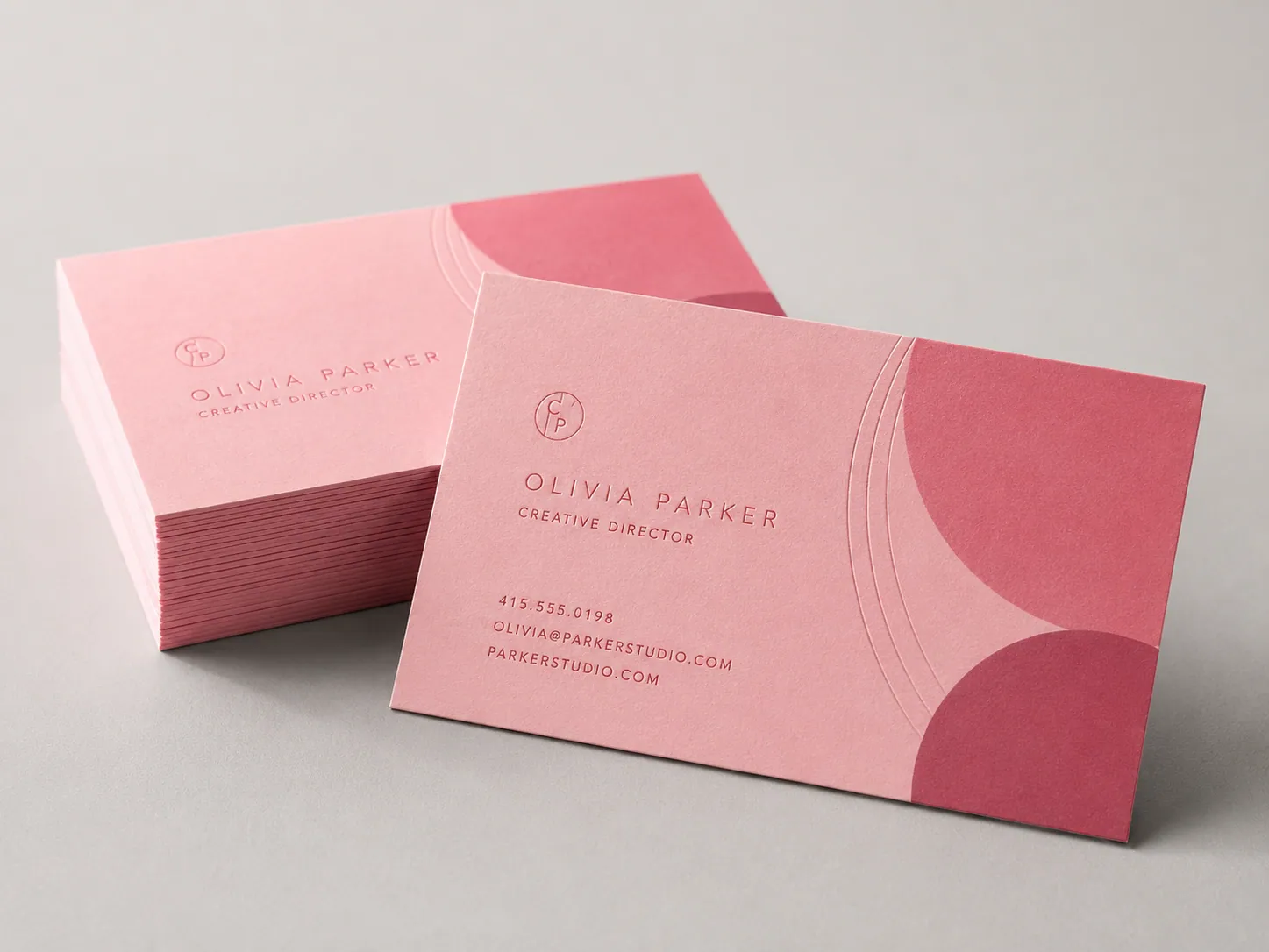
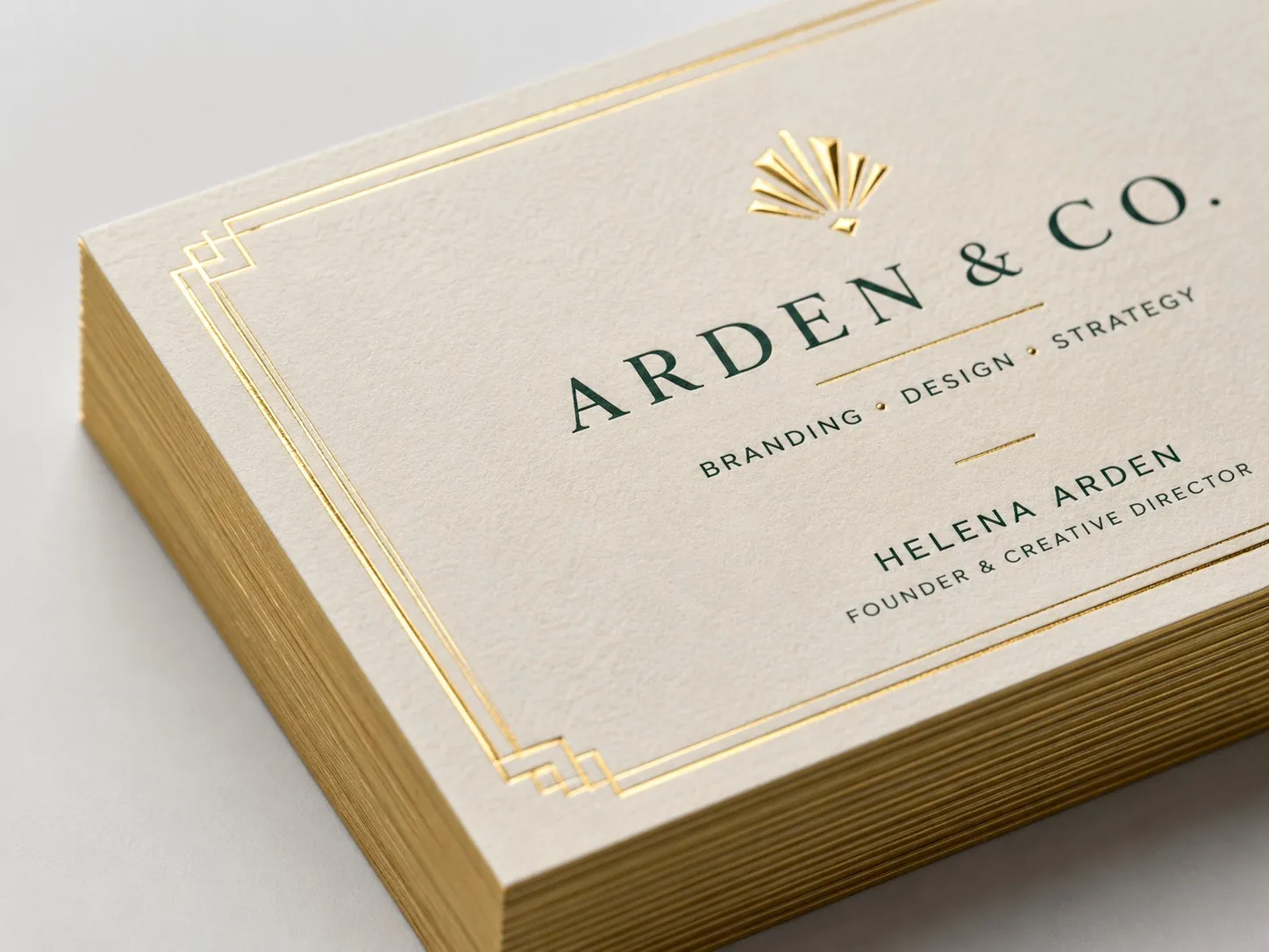




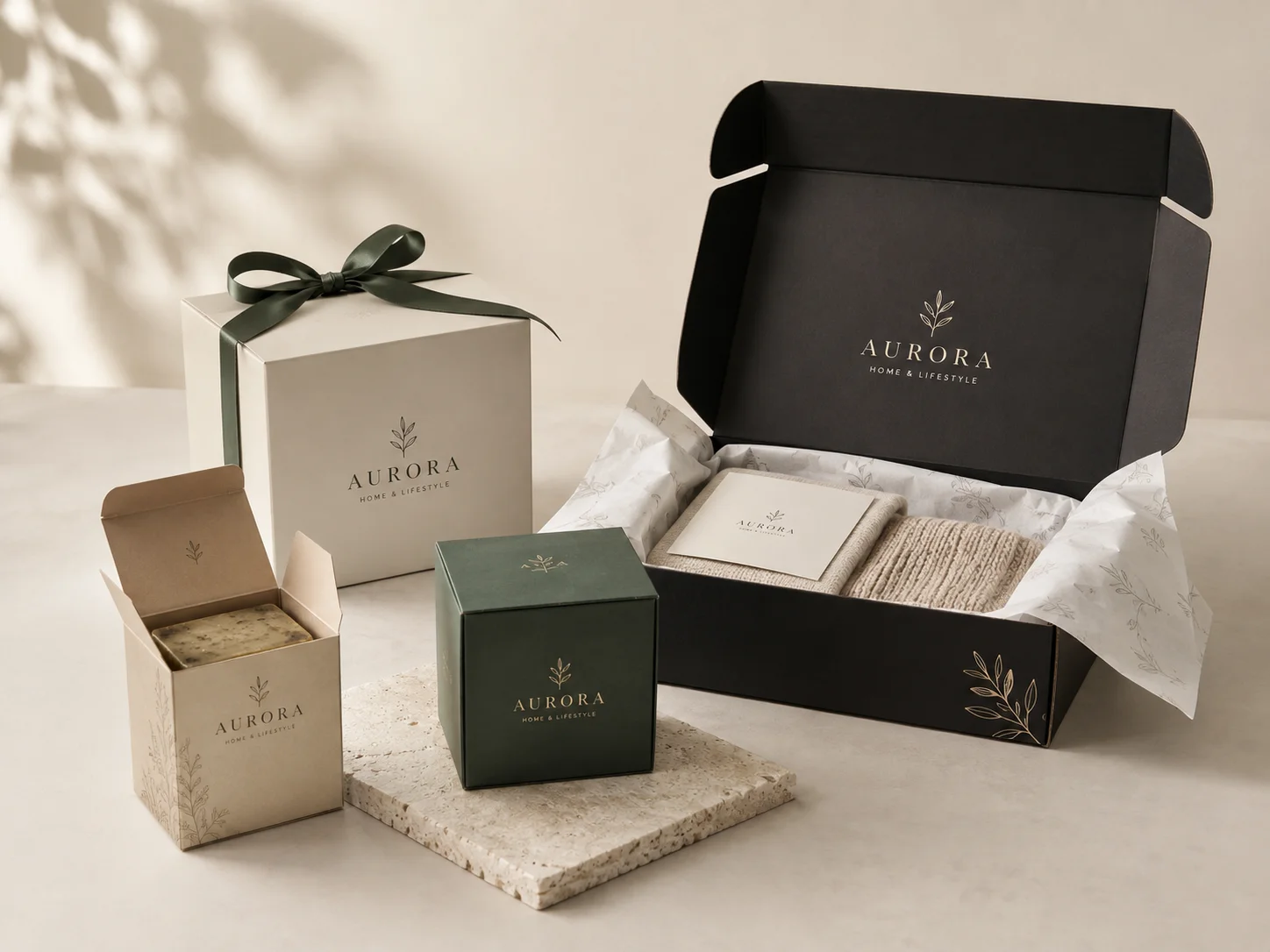
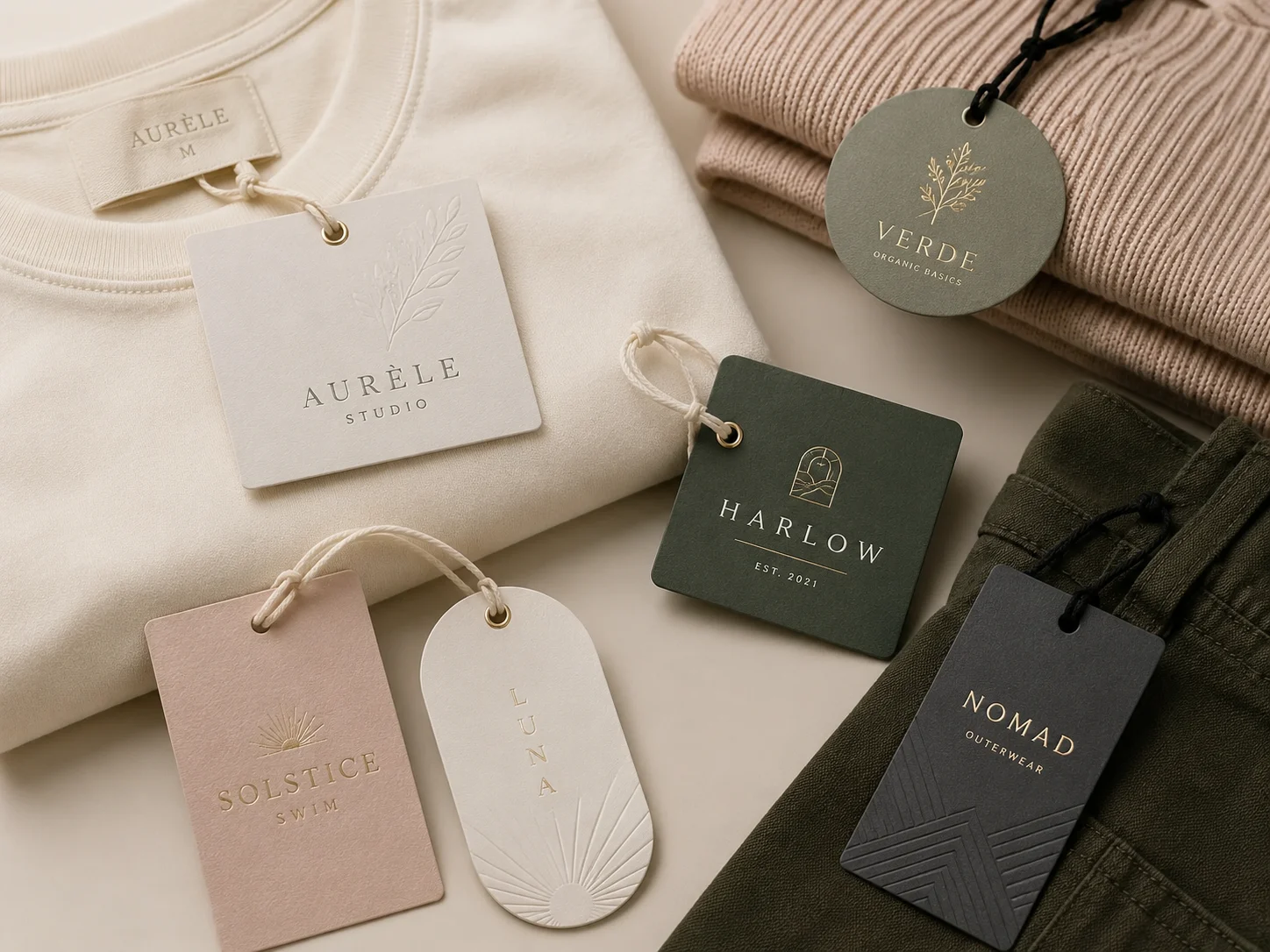

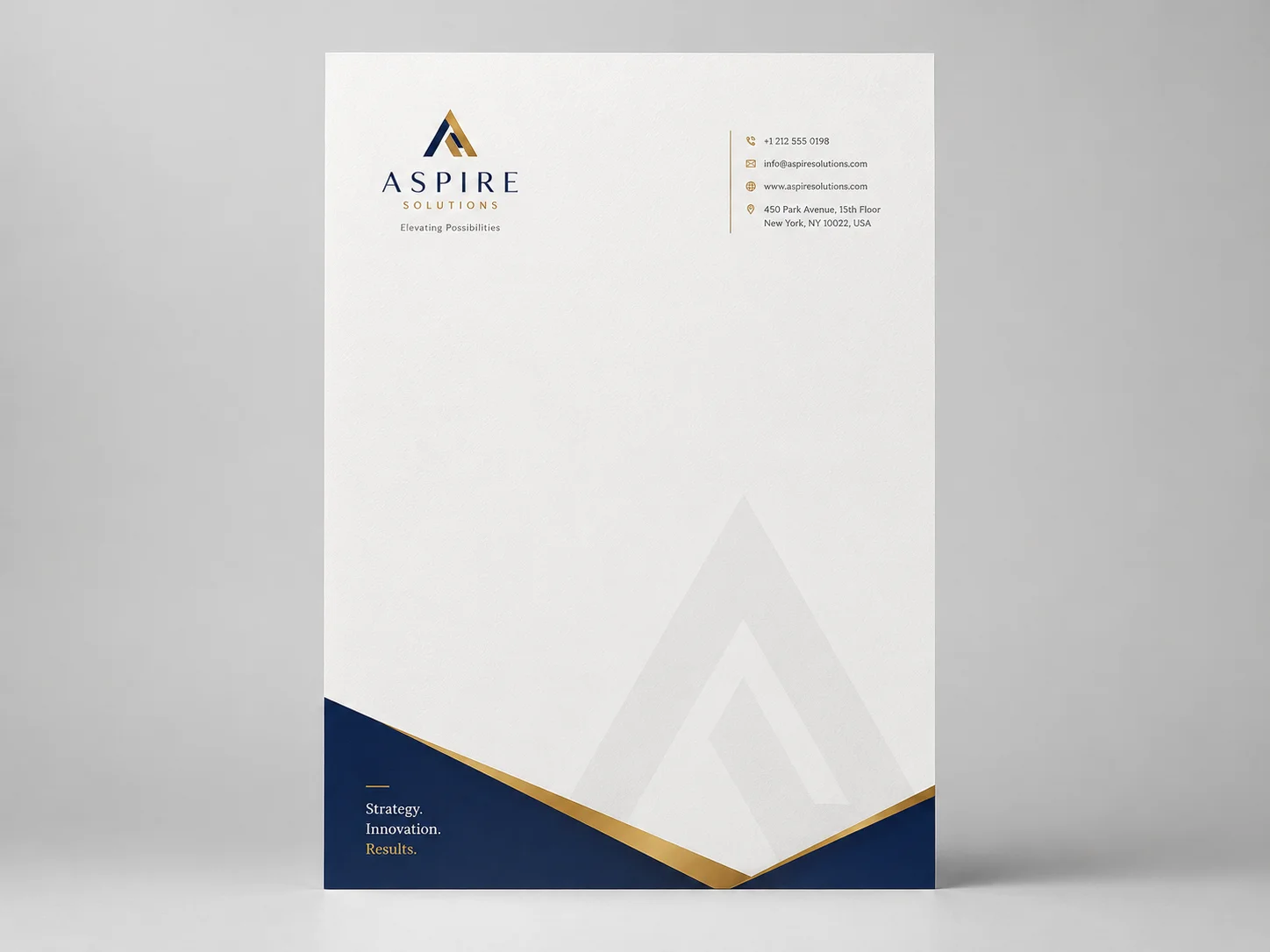

A finish changes more than shine. It affects how a card feels, how dark colors behave under direct light, whether someone can write on the back, and how the surface looks after normal handling. Matte keeps the surface quiet and easy to read. Soft touch adds a velvety layer that makes the card feel more deliberate.
The right choice depends on the artwork, stock, writing needs, and setting. A card used for appointments has different demands from one handed to a client after a sales meeting.
Business Cards Finish Comparison For Matte And Soft Touch
Matte business cards have a low-sheen surface that controls glare and keeps typography clear. Soft touch business cards also reduce reflection, but the coating feels noticeably softer, almost suede-like. That difference is difficult to judge on a monitor because a screen can show color, not texture.
Among common business card finishes, matte tends to stay in the background, allowing the logo, contact details, or QR code to lead. Soft touch makes the surface part of the brand presentation.
Print Factor | Matte | Soft Touch |
Surface Feel | Smooth and restrained | Velvety and tactile |
Reflection | Low | Very low |
Writing | Often suitable on uncoated stock | Depends on coating |
Best Fit | Everyday professional use | Premium client-facing use |
The table gives the basic difference. The stock underneath the finish determines much of what the finished card actually feels like.
Matte Finish For Clear Reading And Practical Handling

Matte works well in offices, clinics, showrooms, and networking settings where information must be read quickly. Reduced glare helps phone numbers, web addresses, and small type remain visible under overhead lighting.
Color Contrast On Matte Stock
Matte does not correct weak artwork. Pale gray text on a light background can still disappear, while very fine type may lose presence at card size. Check the smallest text at actual size before approval.
Dark backgrounds deserve attention too. Black and navy can look excellent, but fingerprints or rubbing may be more visible on some surfaces. Buyers comparing matte business cards should review stock, coating, corner options, and writing needs together.
Writability And Daily Use
Uncoated matte is generally the safer choice when appointment times or notes must be written by hand. Coated surfaces can behave differently with ballpoint, gel, and marker inks.
That matters for matte business card printing used by salons, clinics, consultants, and service teams. Buyers comparing matte business card printing options should also check whether employees need the same visual identity with a writable reverse side.
For repeat orders, matte business card printing should be tested with the actual pen in use. Matte business card printing can describe several surface constructions, so the product specification still matters.
Soft Touch Finish For A Stronger Tactile Impression

Soft touch earns its place when the physical handoff matters. The surface has a gentle drag under the fingers rather than the flatter feel of standard coated stock. That tactile quality can reinforce a premium or design-focused brand without adding foil or raised effects.
Tactile Impact And Brand Positioning
Soft touch business cards often suit photographers, boutique firms, real estate professionals, hospitality brands, and creative services. The finish works best with disciplined business card design. Clear type, controlled spacing, and one visual focal point allow the texture to support the card instead of competing with it.
Current soft touch business cards are best compared with matte options in hand rather than through product photography.
Dark Colors And Scuff Visibility
Dark solids can look rich on a soft surface, but they expose handling more easily. A slight rub mark can show as a change in sheen on black, charcoal, or navy.
For premium business cards with large dark areas, handle a sample normally before approving a large run. A day in a wallet or pocket reveals more than a fresh sample straight from the package.
Stock Lamination And Finish Work Together

A finish cannot be judged without the material beneath it. Business card paper affects edge feel and color response. Business card stock affects rigidity and how substantial the piece feels.
Thickness And Rigidity
Two cards with the same artwork can feel very different because one uses heavier stock. Thickness is separate from coating, so a soft surface should not be mistaken for a thicker card.
Good business card printing services make these specifications easy to compare. Check thickness, finish, writable areas, corner style, and whether coating covers one side or both. Custom business cards are easier to reorder consistently when those details are saved with the approved artwork.
Lamination And Surface Behavior
Business card lamination places a film over the printed surface. Matte lamination reduces reflection and creates a sealed feel. Uncoated matte keeps a more natural paper texture, while soft touch uses a tactile coating or film to create its velvety character.
Product names vary by printer. That makes the specification particularly important when comparing business card printing online. A free printed sample pack gives a more reliable comparison than screen images.
Finish Choice By Business Use
For custom business cards, the best option becomes clearer once the card has a defined job. The right business card finishes follow the job rather than a trend.
Professional and High-Volume Use
Matte is usually easier to justify for large teams, everyday networking, and information-heavy layouts. Custom matte business cards fit law firms, medical practices, property teams, contractors, and B2B sales groups that value consistency.
When these organizations print business cards for several employees, a fixed template and saved production specification reduce variation between reorders. Teams that print business cards regularly should keep that specification with the artwork.
A 2025 Adobe Express survey of more than 1,000 consumers and business owners found that 62 percent of consumers were more likely to use a business or service after receiving a physical card. The finish does not create that response on its own, but it contributes to the impression associated with the handoff.
Creative and Client-Facing Use
Soft touch fits better when texture supports the identity. It can give premium business cards a distinctive hand feel without making the layout busier.
If the artwork is still in development, business card templates can help establish the hierarchy before specialty finishing is added.
“The details are not the details; they make the product.”
Charles Eames
Finish works best when it supports the whole piece rather than trying to become the whole piece.
Print Checks Before Final Approval
A strong finish cannot rescue a weak production file. Bleed, safe margins, readable type, and enough contrast still matter.
Artwork And Small Type
Background colors and photographs should extend through the bleed. Names, logos, QR codes, and contact details belong inside the safe area. Use the measurements supplied with the chosen product rather than a generic template.
View the proof at actual size. A line that looks generous on a monitor can feel crowded once printed.
Sample Testing
Before a large run, test a finished sample. Write on any area intended for notes, inspect dark ink under direct light, and compare rigidity with another stock.
These checks are particularly useful before you order business cards with specialty coatings. They also make custom matte business cards easier to assess on real performance rather than product naming.
When using business card printing online, save the final file and production specification together so the next reorder repeats an approved result.
Final Thoughts
Matte supports clear reading, restrained branding, and writable applications. Soft touch adds a tactile layer that can strengthen a premium presentation. The deciding factors are the artwork, stock, handling, and how the card will actually be used.
Before you order business cards, compare samples in hand, inspect dark areas, test writing surfaces, and approve the artwork at print size. BizCard gives businesses a direct way to compare finishes, choose stock, upload artwork, and move into production once those decisions are settled.
Good business card design comes from several small choices working together, from paper weight and type size to coating and finish.


