









Guests judge ticket stock before they read a word on the ticket, and a flimsy card undercuts a well-run event in seconds. For most paid admission, the answer is 16PT, but the reasoning behind it is what lets you defend a different grade when the event calls for one. The event tickets faces three tests, and the right event ticket paper passes all three.
How Will Your Event Tickets Feel In The Hand?
The first test is weight, and most ticket printing menus quote it in points rather than pounds. Those numbers look small enough to skip, which is why cheap tickets feel cheap.
How Printers Measure Card Thickness?
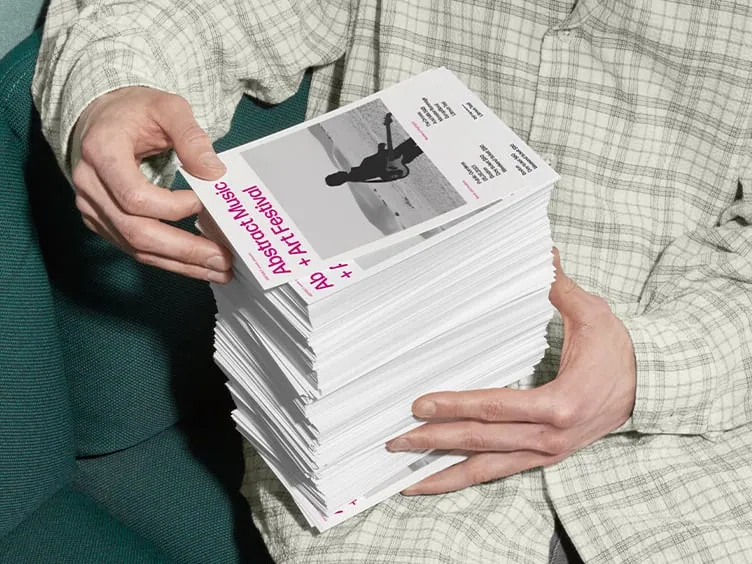
One point equals one-thousandth of an inch, so 14PT measures 0.014 inches and 18PT measures 0.018. A four-point gap looks like nothing written down, yet in the hand it separates a ticket that stands up from one that folds over.
The Range US Venues Actually Use
Cardstock paper below 12PT curls in humid weather and creases in a back pocket. Printed tickets at 16PT and above hold their shape all day, which is why almost every US venue works inside the 14PT to 18PT band.
Three Paper Stocks Cover Almost Every Ticketed Event

Weight settles the feel, and the grade settles the rest. Long supplier menus obscure how simple this is, because event tickets printing comes down to three options, and a working range of event tickets carries all three across seven sizes.
Grade | Weight | Takes Pen Ink | Best Suited To |
Gloss cover | 14PT, near 300 GSM | No | Photo-led artwork |
16PT card | 16PT, near 350 GSM | If uncoated or C1S | Paid admission, galas |
18PT C1S | 18PT, near 400 GSM | Yes, on the uncoated back | Keepsakes, fundraisers |
Gloss Cover For Photo-Led Designs
Gloss cover is coated on both sides with an aqueous coating applied on press. Ink sits on that sealed surface instead of soaking in, so photographs keep their detail and darks stay dark. Nothing writes on it, so rule it out when staff need a pen.
16PT Card For Everyday Paid Admission
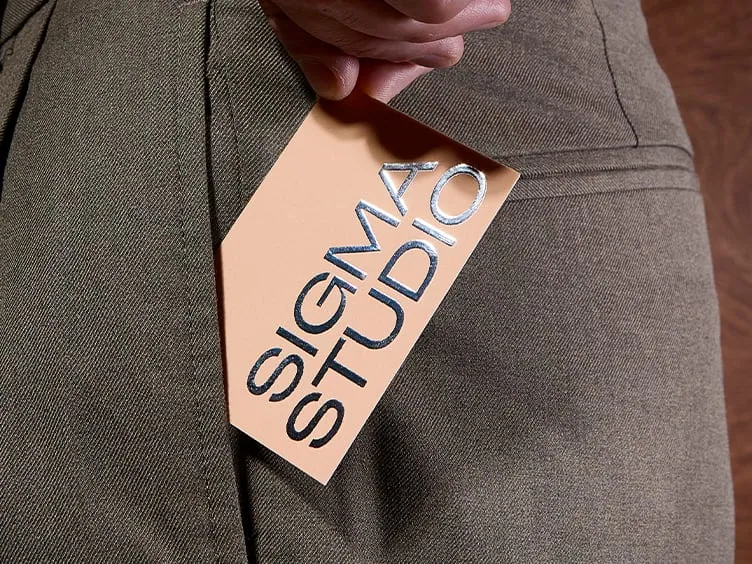
This is the middle setting and the sensible default for a ticket somebody paid for. It feels bought rather than photocopied; it still tears cleanly along a perforation, and over a few hundred pieces it costs barely more than the thinner grade.
18PT C1S For Keepsakes And Handwriting
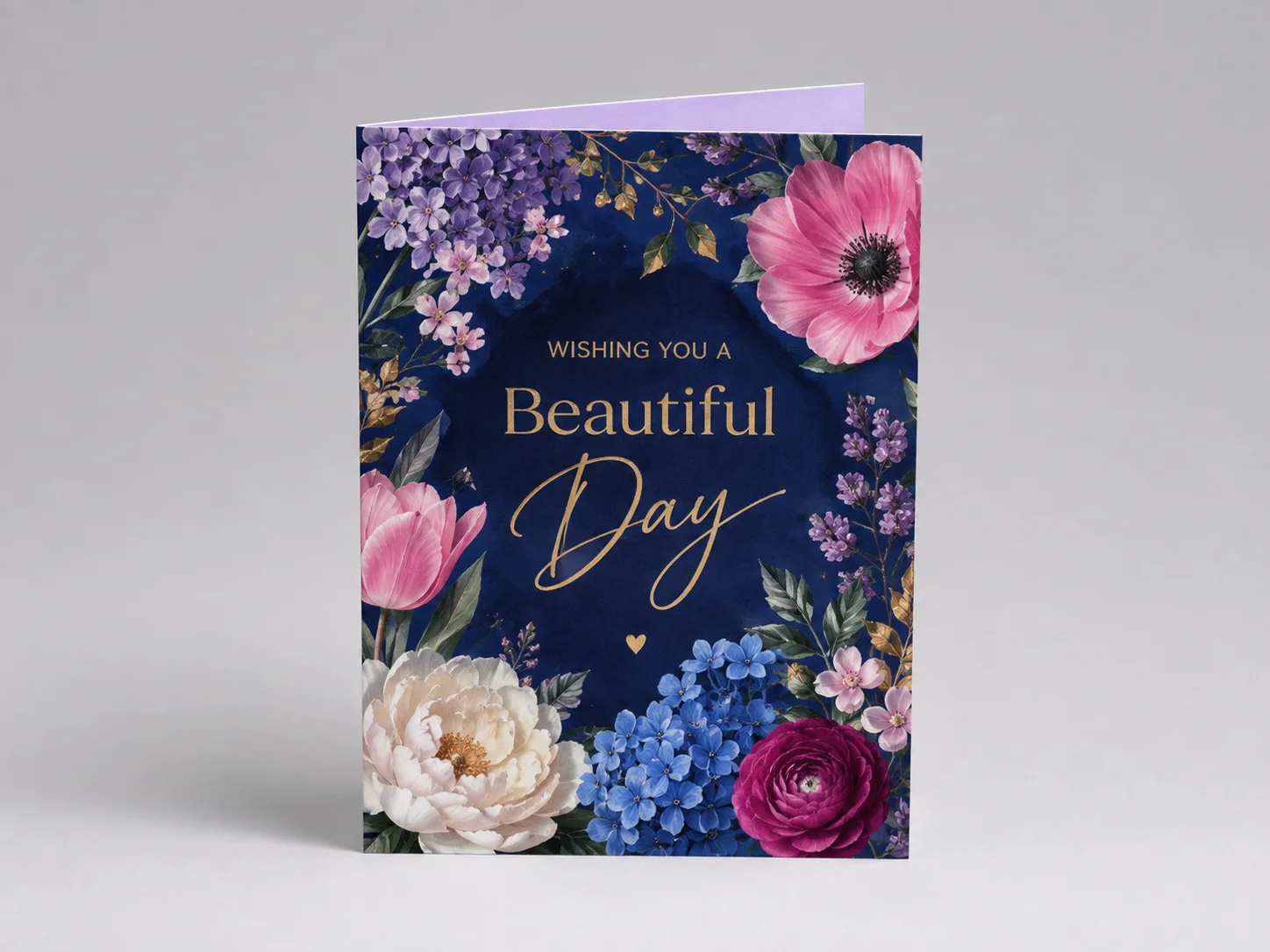
C1S means coated on one side, so the front takes full color while the back stays uncoated and a volunteer can initial a stub without smudging. It is the sturdiest ticket printing paper for weddings, and it suits custom event tickets carrying a seat number written out by hand. Guests who keep the ticket tend to keep the matching invitation or announcement card with it.
Coating Controls Writing, Scanning, and Tearing At The Door

The second test happens at the gate, where coating matters more than how the event ticket paper looks, because it governs what staff can do with the card.
Numbering Needs A Pale Panel
Sequential numbering on event tickets prints in black ink on its own pass and ignores whatever artwork sits underneath. A number dropped over a dark photograph disappears, and one nobody can read cannot be reconciled against sales. Leave a light block wherever the digits land.
Scan Codes Need A Matte Surface
Gloss throws specular glare, so under a bright entry light a shiny surface can bounce back enough to defeat a handheld scanner. Matte and uncoated stock scatters that light instead. Keep the code area matte and at least three-quarters of an inch square.
Perforations Need The Middle Weights
Thin stock tears quickly but frays along the edge, while very heavy stock fights the pull and rips diagonally through the design. The 14PT to 18PT band parts in one clean motion, which is no accident. Professional ticket printing turns on details like these, and sound event ticket design plans for the pen, the scanner, and the tear together.
Match The Paper Stock To The Event You Are Running

Eames was talking about furniture, though tickets prove his point for a few cents apiece. Nobody compliments a caliper, yet everybody notices limp printed tickets. The third test is fit, and it gets easy once you name the job your event tickets are doing.
14PT Gloss For High Volume Gates
Concert ticket printing at a few thousand pieces rewards the thinner grade, because those event tickets are torn and thrown away the same evening. Spend the budget on color and numbering rather than caliper, and reserve a pale panel for each code.
18PT C1S For Fundraisers And Galas
A gala ticket sells for three weeks before it admits anybody, so it sits on desks and gets passed around. Move to the heaviest grade and print the donation line on the uncoated back. A ticket guests keep earns goodwill the way a well-chosen greeting card does.
14PT Or 16PT For Raffles And Draws
Raffle ticket printing lives or dies on the stub, because the buyer keeps one half, the seller keeps the other, and the numbers have to match at reconciliation. Custom ticket printing that continues last year's sequence saves an hour of manual logging.
Uncoated Or C1S For School Nights
Budgets are thin and parents work the door, so a back somebody can write on beats a premium finish. Order event ticket printing once for a year of games and dances, then issue the run in numbered blocks.
File Setup And Lead Times Protect Your Press Date
Artwork Specs Worth Getting Right
Stock and coating are only worth as much as the file you send. Build artwork at flat size with a quarter inch of bleed on every edge, hold text 0.125 inches inside the trim, and keep the numbering clear of the perforation. Send a print-ready PDF in CMYK at 300 DPI.
Quantities, Turnaround And Samples
Most orders for event tickets start at 100 pieces, which suits a community night without wrecking the per-piece price. Standard stationery production runs 2 to 5 business days, so count backward from doors opening and leave room for shipping. Online ticket printing also lets you order a free sample pack before committing.
What To Check On The Proof
Ordering event tickets printing online removes the phone call, not the proof. Open it at full size, then check the number position, the perforation placement, and the spelling of the venue. Reliable event ticket printing services reprint their own misprints free, which is worth confirming before you pay.
Five Physical Checks Catch Problems Before Press

None of this needs equipment, and five minutes with a sample sheet tells you more than an hour of reading. It is the last honest gate before your event tickets go on press.
Bend a sample once and let go. If it stays bent, move up a caliper
Read the number against its real background from arm's length
Tear a proof along the perforation and study the edge it leaves
Write on the back with a ballpoint if a volunteer ever will
Check the trim on both halves, because a cropped logo reads as a mistake
Run those on your ticket printing paper sample and the rest of the order takes care of itself. Online ticket printing makes samples cost nothing but a few days. Skipping the step is how careful work ends up looking like a trade show handout nobody kept.
Wrapping It Up
Weight decides the feel, coating decides what happens at the door, and fit decides whether the grade suits the night. Those three tests are the whole decision, and everything after them is artwork.
Settle it by touch. Order a sample pack, feel the grades side by side, then buy the caliper your event needs. BizCard prints tickets with sequential numbering included as standard and reprints its own misprints free, so professional ticket printing stops being a gamble.
Their event ticket printing services cover seven sizes, which leaves one call to make, and that is which grade of events tickets goes on press.
